



What are the parts of a range hood called?
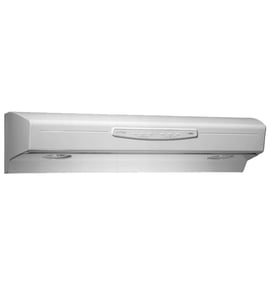
On the KitchenAid KICU265HSS0 island hood, the main parts are the hood canopy (body), venting components, filters, controls, lighting, and mounting pieces. These names are the same terms you will see when ordering replacement range hood parts and troubleshooting airflow or noise.
- Hood canopy: the main stainless steel body that captures smoke and grease
- Duct cover (chimney): decorative cover that hides ducting and wiring above the canopy
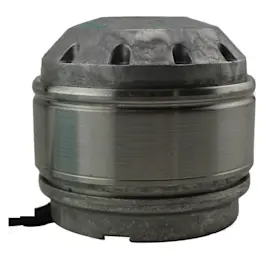
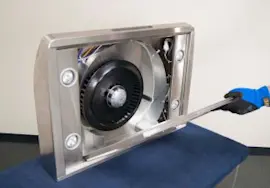
- Blower (fan) and motor: pulls air through the hood and pushes it into ducting (or through charcoal filtration)
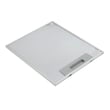
- Grease filter: metal filter that traps grease before it reaches the blower (example: grease filter WPW10368696)
- Charcoal filter: used for non-ducted (recirculating) setups to reduce odors (example: charcoal filter 4396565)
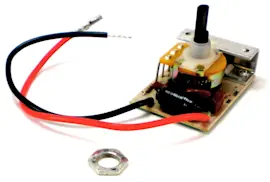
- Control panel or switches: fan speed and light controls
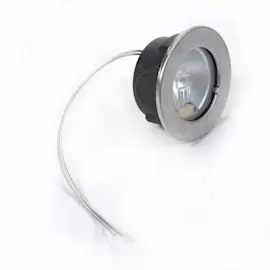
- Lights and light lens: illuminates the cooktop
- Wiring and terminals: electrical connections (example: terminal 4360176)
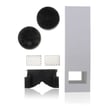
- Mounting frame and trim: supports and finishes the installation (examples: telescoping frame 4360269, decorative trim 4360278)
| Symptom | Most likely part category | Example part for KICU265HSS0 |
|---|---|---|
| Grease dripping or poor airflow | Grease filtration | Grease filter |
| Odors linger in recirculating mode | Odor filtration | Charcoal filter |
| Loose fit, rattles, or cosmetic gaps | Mounting/finish pieces | Telescoping frame, decorative trim |
Using the correct part name helps you match the right KitchenAid replacement part the first time. It also speeds up troubleshooting because airflow problems usually point to filters or venting, while electrical issues often point to wiring connections or controls.
- Confirm whether your hood is ducted (vents outside) or non-ducted (recirculates).
- Check whether the issue is airflow, noise/vibration, lighting, or power.
- Start with the easiest maintenance items first: grease filter and charcoal filter.
Last updated: February 2026
How to clean filters on kitchenaid vent hood?
For the KitchenAid KICU265HSS0 island hood, we clean the filters by turning power off, removing the filter(s), washing them with hot water and a degreasing detergent (or using a dishwasher if the filter is dishwasher-safe), drying fully, then reinstalling so airflow stays strong and grease does not build up.
Most range hoods use one or both of these filter types:
- Grease filter: captures grease from cooking vapors (typically metal mesh or baffle style)
- Charcoal filter: used on non-ducted (recirculating) setups to reduce odors
- Filter area and rails: where grease can collect and restrict airflow
If you need replacements for this model, use the exact part match for your setup: grease filter WPW10368696 and, for non-ducted installations, charcoal filter 4396565.
- Shut off power to the hood (switch it off; for safety, turn off the breaker if you will reach near wiring).
- Remove the grease filter (support it with one hand so it does not drop).
- Wash:
- Sink method: hot water plus degreasing dish soap; use a soft brush for stubborn buildup.
- Dishwasher method: place securely so it cannot bend; run a normal cycle.
- Rinse and dry completely to prevent drips and reduce corrosion.
- Reinstall and confirm it seats flat with no gaps.
Charcoal filters are typically not washable; we replace them on a schedule based on cooking habits.
| Cooking frequency | Typical charcoal filter change interval |
|---|---|
| Light (few times/week) | Every 6 months |
| Moderate (most days) | Every 3 to 4 months |
| Heavy (high heat, frequent frying) | Every 1 to 3 months |
Clean filters keep airflow and odor control consistent, reduce grease buildup inside the hood, and help the fan run quieter and more efficiently.
Last updated: February 2026
Why would a range hood fan stop working?
A KitchenAid range hood fan on model KICU265HSS0 usually stops working because airflow is restricted (grease buildup), power is interrupted, or a control or wiring connection has failed. Start with the filters and power checks, then move to electrical testing if needed.
- Clogged grease filters: heavy grease can restrict airflow and make the fan seem weak or non-functional.
- Non-ducted charcoal filter saturated (if your hood recirculates): a loaded filter can choke airflow.
- No power to the hood: tripped breaker, loose supply connection, or a dead outlet (if applicable).
- Loose or burned wire connection: heat and vibration can loosen terminals.
- Failed control or fan motor: less common than filter or power issues, but possible.
- Confirm power: reset the breaker and verify the hood has power.
- Check airflow restriction: remove and clean the grease filters; reinstall and retest.
- If recirculating: replace the charcoal filter if it is old, greasy, or has strong odors.
- Inspect wiring connections: with power off, check for loose, overheated, or damaged connectors.
- Test components: use a multimeter to check for voltage to the motor and continuity through switches (only if you are comfortable doing electrical tests).
| Symptom | What to check | Part for this model |
|---|---|---|
| Fan runs but airflow is poor | Grease buildup restricting airflow | Grease filter WPW10368696 |
| Fan seems weak in recirculating mode | Charcoal filter saturated | Charcoal filter 4396565 |
| Fan is intermittent or dead | Loose/burned connection at a terminal | Terminal 4360176 |
A range hood needs steady airflow to remove smoke, heat, and grease. When filters clog or wiring connections loosen, the fan can overheat, run poorly, or stop, and grease can build up faster inside the hood.
Last updated: February 2026