 Installation guide
 Owner’s manual
 Error Codes




What are common problems with Speed Queen dryers?
Common problems on the Speed Queen dryer model ADEE9RGS175TW01-THRU-S include long dry times from restricted venting, no-heat conditions from failed heating components, unusual noises from worn drum support parts, and no-start symptoms tied to switches or motor overload. Regular lint and vent maintenance prevents many of these issues; see the owner's manual.
Most common symptoms and what they usually mean
- Dryer takes too long to dry: exhaust duct restricted, weather hood damper stuck, lint buildup inside the cabinet
- No heat or weak heat: heating element or heater circuit issue, temperature sensing problem
- Noisy operation (squeal, thump, rumble): worn belt, idler wheel, or drum rollers; unit not level
- Stops mid-cycle or shows “Er/ro”: motor overload protector tripped from overheating or overload
- Wrinkles or overdrying: heat setting too high, load too large for proper tumbling
Quick checks we recommend first (fast, high-impact)
- Clean the lint filter before every load.
- Confirm the dryer is level; uneven leveling can cause vibration and noise.
- Inspect the exhaust duct and outside hood; clear lint and make sure the damper moves freely.
- Reduce load size and verify the correct cycle and heat setting.
- If the display alternates “Er” and “ro”, let the motor cool, then press Start/Pause to clear and restart; if it returns, stop using the dryer until the cause is corrected.
Parts that commonly fix these problems
If inspection points to worn drive components or heat issues, these model-matched parts are common solutions:
| Symptom | Common wear item | Example model-matched part |
|---|---|---|
| Squealing or drum not turning well | Drum belt | Speed queen commercial dryer drum belt D511255P |
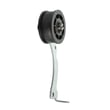
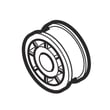
| Squeal, chirp, or tension issues | Idler wheel | Speed queen idler wheel and bearing assembly D510142P |
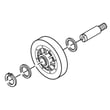
| Thumping or rumbling | Drum support roller | Speed queen cylinder roller D510708P |
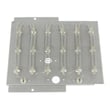
| No heat (electric heat circuit) | Heating element | Speed queen dryer heating element D510329P |
| Erratic temperature or cycling | Thermistor | Speed queen thermistor assembly (black) D510523 |
Why it matters
Restricted airflow is the most common root cause behind long dry times, overheating, and shutdowns. Keeping venting clear also helps protect the heater circuit and reduces nuisance “Er/ro” motor overload events.
Last updated: February 2026
What is the life expectancy of a Speed Queen dryer?
Most Speed Queen dryers typically last about 25 years in normal home use. For your Speed Queen dryer model ADEE9RGS175TW01-THRU-S, consistent vent cleaning, correct installation, and replacing wear items (belt, idler, rollers) on time are the biggest factors in reaching that lifespan; see the owner's manual.
Typical lifespan (what to expect)
Speed Queen dryers are built with commercial-style components, so their life expectancy is longer than many household dryers.
- Typical Speed Queen dryer lifespan: ~25 years
- Typical standard household dryer lifespan: ~10 to 15 years
- What shortens life fastest: restricted venting, overheating, and running with worn drum support parts
What affects lifespan the most
A dryer can run for decades, but only if airflow and drum support stay in good shape.
- Keep the lint screen and exhaust path clear to prevent heat stress
- Avoid overloading; heavy loads strain the drive system
- Listen for squealing, thumping, or scraping (often belt, idler, or roller wear)
- Address “no heat” or “long dry time” early to prevent overheating damage
- Use the cycle and Auto-Sensing features as described in the owner's manual
Wear parts that commonly determine “how long it lasts”
These are the parts we see most often when a long-lasting dryer starts to get noisy, slow, or stops tumbling.
| Symptom | Common wear area | Example part for this model |
|---|---|---|
| Drum not turning, burning rubber smell | Drum belt | Speed queen commercial dryer drum belt D511255P |
| Squealing, chirping, belt slipping | Idler wheel or idler assembly | Speed queen idler wheel and bearing assembly D510142P |
| Thumping, rumbling, uneven drum support | Drum rollers | Speed queen cylinder roller D510708P |
Why it matters
A dryer that is vented correctly and maintained dries faster, runs cooler, and puts less load on the motor and heater. That reduces breakdowns and helps your ADEE9RGS175TW01-THRU-S reach its full service life.
Last updated: February 2026
Why is my Speed Queen dryer not drying completely?
For your Speed Queen ADEE9RGS175TW01-THRU-S dryer, incomplete drying is almost always caused by restricted airflow (lint screen, vent hose, or outside hood), an incorrect cycle/dryness setting, or a load that is too small or poorly sorted. Start with venting and lint removal first; that fixes most slow-dry complaints.
Quick checks that solve most slow-dry problems
- Clean the lint filter before every load; wash off any fabric-softener film and let it dry.
- Inspect the exhaust duct to the outside for kinks, crushing, or lint buildup.
- Check the outside weather hood; make sure the damper/flapper moves freely and is not blocked.
- Make sure you are not blocking the airflow at the bottom front of the dryer with laundry, rugs, or boxes.
- Use the right cycle: Auto-Sensing for normal loads; Time Dry for very small loads.
Cycle and load setup (what to change)
Auto-Sensing cycles can run long or finish with damp items when the load is too small or mixed. We follow these rules:
| Situation | Best setting | Why it helps |
|---|---|---|
| 1-2 small towels or a very small load | Time Dry | Small loads may not tumble evenly, so sensing is less accurate |
| Heavy items mixed with lightweight items | Separate loads | Heavy fabrics hold moisture longer |
| Clothes feel warm but still damp | Increase dryness (Auto-Sensing) or add time (Manual) | Extends heat and tumble time |
For cycle guidance and troubleshooting steps specific to this dryer, use the owner's manual.
When to suspect a part problem
If airflow is strong and the vent is clear but drying is still poor, heat control or drive components can be involved.
Common symptoms and likely areas:
- Dryer tumbles but heat is weak or inconsistent: heating circuit components.
- Dryer runs hot and shuts down or cycles oddly: temperature sensing.
- Drum turns slowly, slips, or stops under load: belt and idler system.
Parts that commonly relate to these symptoms for this model include the dryer heating element D510329P, thermistor assembly D510523, and commercial dryer drum belt D511255P.
Why it matters
Restricted venting and lint buildup reduce drying performance and can overheat the dryer. Keeping the exhaust duct short, straight, and clean improves dry times, energy use, and overall reliability.
Last updated: February 2026





