Error Codes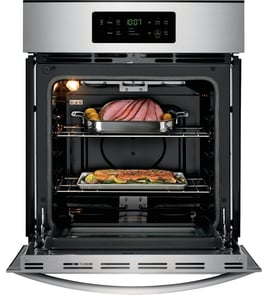



How do you reset a Dacor oven?
Resetting a Dacor wall oven like model CPO130 usually means doing a full power reset: turn the oven off, shut off power at the circuit breaker for a few minutes, then restore power and re-set the clock. This clears many control glitches and lockups.
How to reset a Dacor CPO130 (power reset)
- Turn the oven controls to OFF.
- Switch the oven’s circuit breaker OFF (or remove the fuse) to cut power completely.
- Wait 3 to 5 minutes so the control can fully discharge.
- Turn the breaker ON.
- Set the clock and test Bake and Broil.
If the oven still will not heat after a reset
A reset fixes software-like glitches, but it will not fix an open heating circuit or a failed safety device.
- If Broil does not heat, inspect the Dacor broil element 82249 for visible damage or breaks.
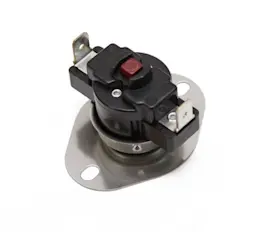
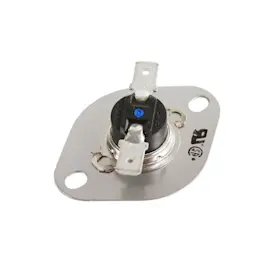
- If the oven overheated recently, a thermal safety device may have opened; use our wall oven wont heat troubleshooting thermal switch problems video to narrow it down.
- If the oven heats but temperatures are off, calibration or a sensor issue is more likely than a reset.
Quick symptom guide
| What you see | What a reset can fix | What to check next |
|---|---|---|
| Display frozen or unresponsive | Yes | Power reset, then check for recurring issues |
| Error code returns immediately | Sometimes | Use the wall oven error-codes landing page |
| Oven runs but no heat | No | Element, thermal switch, wiring |
| Temperature inaccurate | No | Sensor, calibration settings |
Why it matters
A breaker reset is the fastest safe first step because it restores normal control operation without disassembling the oven. If the problem returns quickly, focusing on the heating circuit (element, wiring, safety devices) saves time and prevents repeat shutdowns.
Last updated: January 2026
How long should a Dacor oven last?
A Dacor wall oven like model CPO130 typically lasts 15 years with normal use and basic maintenance. Keeping the door sealing properly, avoiding overheating events, and replacing worn heating or door parts promptly helps you reach (and often exceed) that lifespan.
Typical lifespan and what affects it
Most built-in electric wall ovens fall into a predictable lifespan range, and Dacor units commonly land at the higher end when they are cared for.
- Typical wall oven lifespan: 13 to 15 years
- Well-maintained Dacor wall oven lifespan: about 15 years
- Shortened lifespan drivers: frequent self-clean cycles, poor ventilation, repeated overheating, slamming the door
- Extended lifespan drivers: gentle door use, clean airflow paths, timely part replacement
Parts that most often determine “end of life”
When an oven starts failing, it is usually a few serviceable parts, not the cavity itself. For the CPO130, these are common wear areas:
- Heating performance parts (elements, thermal protection)
- Door closing and alignment parts (hinges, mounting plates, panels)
- Cooling and convection airflow parts (fan blade)
- Wiring connections and harnesses
If the door is sagging, not closing evenly, or heat is escaping, start with door hardware such as the hinge assembly 82849 and the wall oven door mounting plate 13056.
Quick “repair or replace” checklist
Use this to decide whether a repair makes sense.
| What you see | Most likely category | Usually worth repairing? |
|---|---|---|
| Oven will not heat or heats unevenly | Heating or safety circuit | Yes |
| Door will not close or drops open | Door hinge or mounting | Yes |
| Loud fan noise or poor airflow | Cooling/convection fan | Yes |
| Multiple failures plus heavy rust/corrosion | Multiple systems | Often no |
Why it matters
A wall oven is a built-in appliance; replacing it can involve cabinet fit, electrical work, and downtime. A targeted repair (like restoring door seal and alignment or correcting a heating issue) often delivers years of additional reliable cooking.
For heating-related symptoms, our 7 reasons your oven isnt working and how to fix the problems guide helps you narrow down the most common causes.
Last updated: January 2026
Is Dacor wall oven good?
Dacor wall ovens like model CPO130 are generally considered a premium choice: they are built for strong cooking performance, solid fit and finish, and long service life when properly installed and maintained. Overall, we consider Dacor a good wall oven brand for customers who want higher-end features and durability.
What “good” means for a wall oven
A wall oven is “good” when it consistently heats, holds temperature, and stays safe and quiet over years of use. For a Dacor wall oven, we focus on these practical factors:
- Temperature stability for baking and roasting
- Broil performance for browning and finishing
- Door seal and hinge feel (smooth close, no sagging)
- Fan and airflow (even cooking, reasonable noise)
- Parts availability for common wear items
Quick checklist before you buy or keep one
Use this list to judge your specific CPO130 unit, especially if it is older or new-to-you:
- Preheat time feels normal and the oven reaches set temperature
- No burning smell beyond brief first-use odors
- Door closes evenly and does not “drop” when opened
- Convection fan runs smoothly without scraping or rattling
- Controls respond consistently (no intermittent dead spots)
Common “good oven” repairs that keep performance high
Even premium ovens need occasional maintenance. These are typical fixes that restore performance:
| Symptom | Likely area | Example part to check |
|---|---|---|
| Weak or uneven broiling | Broil circuit | Dacor broil element 82249 |
| Noisy convection | Fan blade or motor area | Dacor fan blade 82651 |
| Door won’t close right | Hinges or door hardware | Dacor hinge assembly 82849 |
| Heat loss, longer cook times | Door alignment/panels | Dacor wall oven door mounting plate 13056 |
Why it matters
A “good” wall oven is about repeatable results and low downtime. When heating and door hardware are in good shape, you get more even baking, better browning, and fewer temperature swings that ruin recipes.
Helpful DIY guidance
If your main concern is heating performance (not brand quality), use 7 reasons your oven isnt working and how to fix the problems to narrow down whether the issue is an element, thermal protection, airflow, or controls.
Last updated: January 2026