Owner’s manual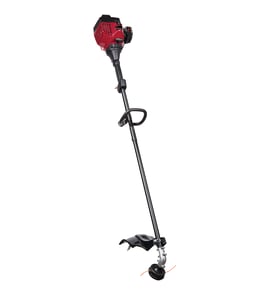
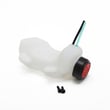


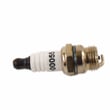
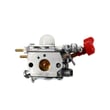
Which is better, .080 or .095 trimmer line?
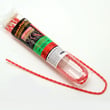
For the Craftsman 316740820 gas line trimmer, 0.095-inch line is the better choice because the specifications call for 0.095 in. (2.41 mm) trimming line when using the bump head. Use 0.080-inch line only if your cutting head is rated for it and you want lighter-duty trimming.
What we recommend for model 316740820
Your trimmer can use a bump head or a fixed-line cutting head; the line size depends on which head you have. Check the specifications section in the 316740820 owner's manual.
- Bump head: 0.095 in. line (best match for power and feed performance)
- Fixed-line cutting head: uses thicker fixed line (commonly 0.110 in. medium or 0.130 in. large)
- For edging and light grass, thinner line cuts cleanly but wears faster
- For thicker weeds, thicker line lasts longer and cuts more aggressively
- Always keep the line fully extended; short line makes feeding harder and can reduce cutting performance
Quick comparison: 0.080 vs 0.095
| Line diameter | Best for | Pros | Tradeoffs |
|---|---|---|---|
| 0.080 in. | Light grass, detail trimming | Smooth, precise trimming | Breaks faster; may not feed as well in heads designed for thicker line |
| 0.095 in. | Most gas trimmers, heavier weeds | More durable; stronger cutting | Slightly higher load on the engine; can be harder to load in small spools |
Tips to get the best results (and fewer line breaks)
- Tap the bump knob on bare ground or hard soil at high speed to release line; tapping in tall grass can stall the engine.
- Let the shield’s line-cutting blade trim excess line; do not remove or alter that blade.
- Avoid forcing the head into hard surfaces (sidewalks and rocks wear line quickly).
- Make shallow passes in heavy growth instead of trying to cut it all at once.
Why it matters
Using the correct diameter helps the cutting head feed properly and helps prevent overheating or poor cutting. For the 316740820 bump head, 0.095-inch line matches the design and gives the best balance of durability and performance.
Last updated: January 2026
How do you reload a trimmer spool?
To reload the spool on your Craftsman line trimmer model 316740820, we install new trimming line through the cutting head eyelets and wind it using the bump knob until about 5 inches of line extends from each side. Follow the steps in the 316740820 owner's manual for the exact bump-head procedure.
Quick steps (bump head)
- Shut the trimmer off and let the cutting head stop completely.
- Cut two 10-foot lengths of new line; cut one end of each at a 30° angle.
- Align the mark on the bump knob with the mark on the spool cover.
- Feed each line into an eyelet; push in about 3 inches.
- Turn the bump knob to wind the line (do not push the knob down while winding).
- Stop when about 5 inches of line protrudes from each side.
If the line will not feed or the head is jammed
- Push the bump knob down and pull any remaining line out.
- Press the cutting-head tabs with your thumb (not a screwdriver).
- If needed, use a flat-head screwdriver only to gently release the tab while you keep pressing it.
- Remove the spool cover, clear debris, and wipe the inner reel and outer spool clean.
- Snap the spool cover back on so the tabs fully lock into the holes.
Line length and material tips
| What to do | Why it helps |
|---|---|
| Use the correct line length (two 10-foot pieces) | Prevents poor line release and retracting inside the head |
| Keep line fully extended during use | Reduces overheating and improves cutting |
| Never use wire, chain, rope, or metal-reinforced line | Prevents dangerous break-off projectiles |
Why it matters
Correct loading keeps the bump head feeding smoothly, reduces breakage on hard surfaces (like sidewalks), and helps the trimmer cut evenly without forcing the engine.
Last updated: January 2026
Can I use .095 trimmer line?
Yes. For the Craftsman line trimmer model 316740820, the specifications list 0.095 in. (2.41 mm) trimming line for the bump head, so .095 line is the correct size when your trimmer is set up with that cutting head. Confirm your head type and line routing in the 316740820 owner's manual.
Match the line to the cutting head
The manual lists different line diameters depending on which head you have installed.
| Cutting head type | Spec line diameter | Notes |
|---|---|---|
| Bump head | 0.095 in. (2.41 mm) | Standard bump-feed setup |
| Fixed-line cutting head | 0.110 in. (2.79 mm) or 0.130 in. (3.30 mm) | Uses pre-cut fixed lines |
What to avoid (important safety and performance)
Using the wrong line can overheat the unit, reduce cutting performance, or create a safety hazard.
- Only use the trimming line type and diameter listed in the specifications
- Never use metal-reinforced line, wire, chain, or rope
- Do not install rigid or metal blades on this trimmer attachment
- Keep line length properly extended; short line makes the engine work harder
- Replace worn or damaged line promptly to prevent vibration and poor cutting
Quick checks before you buy or install line
These steps help you avoid feeding problems and premature line breakage.
- Identify your head: bump head vs fixed-line cutting head
- Verify the line diameter on the package (0.095 in for bump head)
- Inspect the eyelets and spool area for grooves, cracks, or melted plastic
- Clean debris from the spool and cover before reloading
- Cut clean line ends and load evenly so both ends are the same length
Why it matters
Correct line diameter keeps the trimmer spinning at the right speed, reduces overheating, and helps the bump head feed smoothly. Oversize line can bog the engine; undersize line can break quickly and wear faster on hard surfaces.
Last updated: January 2026