Error Codes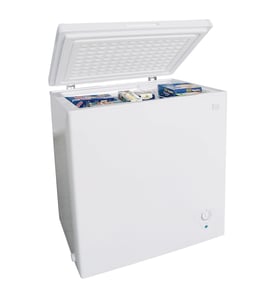




How many cubic feet is a Kenmore freezer model 2539159110?
We size the Kenmore chest freezer model 2539159110 by its model-specific capacity rating (cubic feet). For this model, the exact cubic-foot capacity is not provided in the information available here, so we recommend confirming it from the model’s rating label and then matching parts by model number.
Where to find the cubic-foot capacity on 2539159110
Most Kenmore chest freezers list capacity on the rating label (often inside the cabinet wall near the top rim, or on the back near the compressor compartment).
- Look for wording like “Capacity”, “Total volume”, or “Cu. Ft.”
- Write down the full model number (2539159110) and serial number
- If the label is worn, take a clear photo with the door open and good lighting
- Do not use capacity from a different 253-series model; small design changes can change usable volume
Typical capacity range (for context)
Kenmore chest freezers in this style are commonly in the 10 to 20 cubic feet range. That range helps with planning space and storage, but the rating label is the correct source for the exact number.
| What you’re doing | What to use | Why |
|---|---|---|
| Ordering replacement parts | Model number 2539159110 | Ensures correct fit and wiring/trim match |
| Planning storage space | Rating-label cubic feet | Matches the manufacturer’s capacity rating |
| Comparing to another freezer | Interior measurements + baskets | Shows real usable space |
Why it matters
Capacity affects how you organize food, how quickly the freezer recovers temperature after opening, and which accessories fit best (like baskets and lid hardware).
Parts that relate to storage and organization
If you are trying to improve usable space (not just the rated capacity), these model-matched parts can help:
- Basket 216848200 for organizing smaller items near the top
- Cover 216347800 if an internal cover is missing or damaged
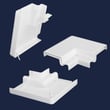
- Freezer corner trim 216105500 if the rim/edge trim is broken and affecting lid alignment
Last updated: January 2026
What are the most common issues with 2539159110?
The most common problems we see with the Kenmore 2539159110 chest freezer are warm temperatures, heavy frost buildup, unusual clicking or humming, and a lid that does not seal well. These issues usually trace to airflow and sealing problems, start components, or a dirty condenser area.
Common symptoms and what they usually mean
- Not freezing or freezer too warm: lid not sealing, overloaded cabinet, dirty condenser, or a compressor start issue
- Excessive frost: lid left ajar, damaged gasket, frequent openings, or humid location
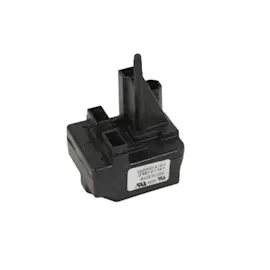
- Clicking and not starting: start device problem such as a failed ptc starter 5304410953
- Runs constantly: warm room temperature, poor ventilation around the cabinet, dirty condenser, or lid seal leak
- Water on floor: defrost drain or condensation management issue (often related to frost and lid sealing)
Quick checks you can do first
- Confirm the control is set colder and give it 24 hours to stabilize after changes.
- Make sure the lid closes squarely and nothing is pinched in the opening.
- Leave clearance around the freezer for ventilation; do not block the lower rear area.
- Clean dust from the condenser area; restricted heat release causes long run times.
- Listen at startup: a brief hum followed by a click often points to the start device.
Parts that commonly come up in repairs
| Symptom | Likely area | Example part on this model |
|---|---|---|
| Clicks, won’t start | Compressor start circuit | Ptc starter 5304410953 |
| Poor cooling, long run time | Sealed system heat rejection | Condenser 5300120781 |
| Lid won’t lock or secure | Lock hardware | Lock hook 297090200 or cylinder lock 216703000 |
Why it matters
A chest freezer that runs warm can spoil food quickly, and heavy frost reduces usable space and efficiency. Catching a lid seal or ventilation problem early often prevents more expensive sealed-system stress.
Last updated: March 2026
What is the life expectancy of a chest freezer?
A chest freezer like Kenmore model 2539159110 typically lasts 12 to 16 years, and 10 to 20 years is a common overall range when it is kept clean, well-ventilated, and the lid seal stays tight. The biggest life-shorteners are heat, dust buildup, and poor door sealing.
Typical lifespan ranges (what to expect)
Chest freezers usually outlast uprights because cold air stays in the cabinet when the lid is opened.
| Freezer type | Typical life expectancy | Notes |
|---|---|---|
| Chest freezer | 12 to 16 years (often 10 to 20) | Fewer air leaks, less run time when opened |
| Upright freezer | 10 to 15 years | More door openings and air exchange |
What most affects how long it lasts
We see these factors make the biggest difference in compressor and cooling-system life:
- Room temperature: hot garages and tight closets increase run time
- Airflow around the cabinet: blocked vents trap heat and stress the condenser
- Dust and pet hair: buildup makes the unit run longer and hotter
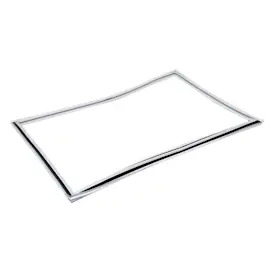
- Lid gasket condition: leaks cause frost, longer run cycles, and temperature swings
- Power quality: frequent outages or low voltage can stress the start components
Maintenance that helps you reach the high end of the range
These steps are simple and pay off in lower energy use and longer compressor life:
- Vacuum dust from the exterior vents and around the compressor area a few times per year
- Keep the freezer reasonably full (use water jugs if needed) to stabilize temperature
- Defrost when frost buildup becomes noticeable on interior walls
- Check for a tight lid seal using the “paper strip” test around the perimeter
- Avoid placing it next to a heat source (water heater, dryer, direct sun)
Why it matters
A chest freezer’s most expensive failures are usually in the sealed system (compressor, condenser, refrigerant circuit). Reducing heat and run time helps protect those components and can delay major repairs.
If you are tracking down a cooling issue or planning a repair, having the correct model number is key for matching parts like the filter drier 5303305677.
Last updated: January 2026