Owner’s manual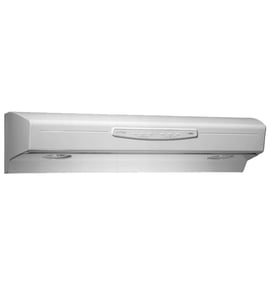




Can range hood filters be washed?
Yes. On Kenmore range hood model 23352345590, the aluminum mesh grease filters are washable and should be cleaned frequently (about monthly for typical use) using hot water and mild detergent or in the dishwasher; non-ducted filters are cleaned differently and are replaced on a schedule. See the 23352345590 owner's manual.
What you can wash vs. what you should not wash
Here’s the practical rule for this model:
- Washable: aluminum mesh filters (metal grease filters)
- Not washable: non-ducted filters (used for recirculating setups); do not immerse and do not dishwasher
- Replace on schedule: non-ducted filters (typically about every 6 months with normal use)
Recommended cleaning steps (safe and effective)
- Disconnect power to the range hood before cleaning.
- Remove the aluminum mesh filters and wash with hot water and mild detergent, or run them through the dishwasher.
- Rinse well and dry completely before reinstalling.
- If you have a non-ducted filter, wipe the surface with a damp cloth and mild detergent (no soaking).
- Keep water out of the motor area; never spray water into the blower or motor.
Quick comparison table
| Filter type | Typical use | Can it go in dishwasher? | What to do |
|---|---|---|---|
| Aluminum mesh filter | Grease capture | Yes | Wash about monthly (more often for frying/wok cooking) |
| Non-ducted filter | Odor control in recirculating mode | No | Wipe surface; replace about every 6 months |
Why it matters
Clean filters help your Kenmore 23352345590 move air better, reduce grease buildup on the blower housing, and keep the fan quieter. Letting filters clog can make the hood seem weak even when the motor is running normally.
Last updated: February 2026
Can you remove a range hood?
Yes, we can remove a Kenmore range hood like model 23352345590, but we do it safely: shut off power at the breaker, support the hood, disconnect wiring, then remove the mounting fasteners and lift the hood down. Follow the steps and warnings in the 23352345590 manual.
Before you start (safety and setup)
- Turn OFF the circuit at the breaker panel; use a tag so nobody turns it back on.
- Confirm the hood lights and blower are dead before touching wiring.
- Have a helper ready; range hoods are awkward and can drop when the last screw comes out.
- Protect the cooktop with cardboard or a blanket.
- If the hood is ducted, plan to cap or tape the duct temporarily to limit debris.
Basic removal steps (typical process)
- Remove the grease filter(s) and any trim or panels that block access.
- Locate the wiring compartment cover; remove it and note how the house wires connect.
- Disconnect the wire connections (often wire nuts) and separate the ground.
- If ducted, loosen the duct connection at the hood (metal ductwork is standard).
- Support the hood, then remove the mounting screws from the cabinet or wall.
- Lower the hood straight down and away from the mounting surface.
What you may run into
| Situation | What we do | Why it matters |
|---|---|---|
| Ducted installation | Disconnect duct, keep it supported | Prevents duct damage and rattles later |
| Non-ducted installation | Remove filters and any recirculation pieces | Avoids breaking plastic covers and clips |
| Old wiring | Photograph connections before disconnecting | Speeds correct reinstallation |
Why it matters
Removing a range hood involves both electrical wiring and (often) ducting. Doing it in the right order prevents shock risk, cabinet damage, and a hood that falls when the last fastener is removed.
Last updated: February 2026
How to clean Kenmore kitchen hood vent?
For Kenmore range hood model 23352345590, we clean the hood vent by switching off power, removing the grease filter, washing it with hot water and mild detergent (or in the dishwasher if it is an aluminum mesh filter), then drying completely before reinstalling. Use the 23352345590 owner's manual for the exact cleaning intervals and cautions.
Step-by-step cleaning (safe and effective)
- Turn power off at the breaker before you remove covers or reach near wiring.
- Remove the grease filter and check whether it is an aluminum mesh style.
- Wash aluminum mesh filters in hot water with mild detergent (dishwasher is also acceptable for this filter type).
- Wipe the hood interior and exterior with a damp cloth and mild soap; rinse and dry.
- If you clean the blower area, wipe gently; do not bend the blower wheel.
- Keep water out of the motor area; do not allow water to enter the motor.
What to clean and how often
Aluminum mesh filters on this style of hood are typically washed about monthly, and more often if you fry foods or cook with high grease.
| Item | How to clean | Typical frequency |
|---|---|---|
| Aluminum mesh grease filter | Hot water + mild detergent (or dishwasher) | About monthly |
| Painted hood surfaces | Mild soap/detergent + warm water | As needed |
| Stainless steel surfaces (if applicable) | Warm water + mild dish soap; wipe with grain | As needed |
| Blower assembly area | Damp cloth + mild detergent; keep dry | As needed |
If the filter is damaged or won’t come clean
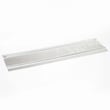
A bent, torn, or heavily clogged filter can reduce airflow and make the fan louder. If your filter no longer fits securely or stays greasy after washing, replace it with the correct part for this model, such as the cook top side trim kit range hood grease filter, 2-pack S97007894.
Why it matters
A clean filter and blower area helps your Kenmore 23352345590 move air properly, reduces grease buildup (a fire risk), and keeps the motor from working harder than it should.
Last updated: February 2026
What are common hood kitchen problems?
Common problems with the Kenmore 23352345590 range hood include a noisy fan, weak airflow, lights not working, and grease buildup on the filter or blower. Most issues trace back to dirty filters, a loose part, or a failing motor or control.
Most common problems and what usually causes them
- Fan is loud or rattling: grease buildup, loose housing/cover, or a worn blower motor
- Fan runs but airflow is weak: clogged grease filter, blocked ducting, or a stuck damper
- Fan will not run: failed motor, bad control, or a wiring/power issue
- Lights do not work: bulb/socket issue or a control problem
- Grease dripping or odors linger: filter overdue for cleaning or replacement
Quick checks we recommend first (safe, high-impact)
- Turn power off at the breaker.
- Remove and clean the aluminum mesh filters; the manual recommends washing about monthly (more often with frying or wok cooking). See the cleaning steps in the 23352345590 owner’s manual.
- Check the vent path (if ducted): damper opens freely and ducting is not crushed or blocked.
- Inspect for loose screws, a vibrating cover, or a bent blower wheel.
- Restore power and test each fan speed and the light.
Cleaning and replacement intervals (typical for this model type)
| Item | What to do | Typical interval |
|---|---|---|
| Aluminum mesh grease filter | Wash with hot water and mild detergent (or dishwasher) | About monthly |
| Non-ducted filter (if used) | Wipe surface only; replace | About every 6 months |
| Blower area | Wipe carefully; keep water out of motor | As needed |
When a part is the likely fix
If cleaning and tightening do not help, these model-listed parts are common next steps:
- For weak airflow or grease issues: replace the cook top side trim kit range hood grease filter, 2-pack S97007894
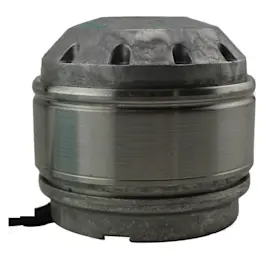
- For a fan that hums, stalls, or is very noisy: replace the motor S97010736
Why it matters
A clean filter and blower help the hood capture smoke and grease better, reduce noise, and lower grease accumulation that can create a fire risk. The manual also notes ducted fans must vent outdoors and recommends metal ductwork for fire safety.
Last updated: February 2026
What are the parts of a range hood called?
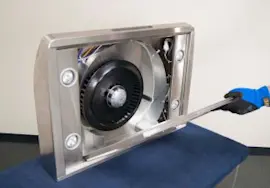
On the Kenmore 23352345590 range hood, the main parts are the hood body (canopy), venting components, blower (fan) system, controls, lights, and filters. These parts work together to capture cooking smoke and grease and move air through ducted or non-ducted ventilation.
Common range hood parts (and what they do)
- Hood canopy (hood body): the metal shell that captures rising smoke and grease
- Grease filter: traps grease before it reaches the blower and ductwork
- Blower (fan) and motor: pulls air through the hood and pushes it out (or through a recirculating filter)
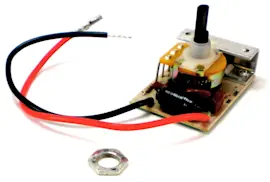
- Control panel and knobs/switches: turn the blower and lights on and off; set fan speed
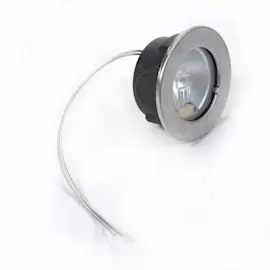
- Lights and light housing: illuminate the cooktop area
- Damper and vent cover: helps direct airflow and reduce backdrafts in ducted setups
Parts you can replace on model 23352345590
Here are examples of replaceable parts we commonly see on this Kenmore range hood:
| Part type | Example part name | Part ID |
|---|---|---|
| Grease filter | Cook Top Side Trim Kit Range Hood Grease Filter, 2-pack | S97007894 |
| Fan motor | Motor | S97010736 |
| Controls | Control Panel | 97015648 |
| Knob | Range Hood Blower Knob | S95000924 |
| Venting cover | Range Hood Vent Damper Cover | S98005221 |
If you are shopping by symptom (noisy fan, weak airflow, lights out), starting with the filter, motor, and controls usually narrows it down quickly.
Why it matters
Knowing the correct part names helps you match diagrams, order the right replacement, and troubleshoot faster. For example, weak airflow often points to a dirty grease filter or a venting restriction, while a dead fan can point to the motor or control.
Helpful references for this model
- Use the 23352345590 manual to identify the hood’s controls, service parts, and whether your setup is ducted or non-ducted.
- If you are diagnosing a fan issue, follow the steps in range hood fan doesn't work.
Last updated: February 2026
What is the code for venting a range hood?
For the Kenmore range hood model 23352345590, the core code-aligned requirement is simple: if it’s installed as a ducted hood, it must vent to the outdoors using metal ductwork. Your local building authority sets the final rules for duct size, termination method, and any makeup-air requirements; use the 23352345590 owner's manual as the baseline for safe installation.
What the Kenmore 23352345590 manual requires
The manual language aligns with common residential mechanical and fire-safety expectations:
- Ducted fans must always be vented to the outdoors
- Use only metal ductwork (to reduce fire risk)
- Installation work and electrical wiring must follow all applicable codes and standards
- Provide sufficient air for proper combustion and to help prevent backdrafting
What “code compliant” usually means in the field
Inspectors typically focus on these items for kitchen exhaust systems:
- Duct run is short and straight (fewer elbows improves airflow)
- Joints are sealed with approved metal foil tape or mastic
- Termination is outside (wall cap or roof cap), not into an attic, crawlspace, or wall cavity
- A backdraft damper is installed and moves freely
- Clearances above the cooktop match the manufacturer’s installation instructions
| Item | Ducted hood expectation | Why it’s checked |
|---|---|---|
| Duct material | Metal only | Fire safety and durability |
| Termination | Outdoors | Prevents moisture and grease buildup indoors |
| Damper | Required/typical | Stops outside air from flowing back |
| Clearances | Per manufacturer | Heat and capture performance |
Why it matters
Correct venting improves smoke and odor capture, reduces grease accumulation in the duct, and helps prevent backdrafting from fuel-burning appliances.
Quick checks before you finish the install
- Confirm the duct is metal end-to-end
- Verify the damper isn’t blocked by insulation or framing
- Keep the duct path as direct as possible
- Clean the grease filter regularly (airflow drops fast when it’s loaded)
Last updated: February 2026
What is the life expectancy of a range hood?
A Kenmore range hood like model 23352345590 typically lasts 10 to 20 years (about 15 years for many homes). Lifespan depends most on grease control and ventilation setup; regular filter cleaning and keeping the blower area free of buildup helps the motor and controls last longer.
Typical lifespan and what affects it
Most range hoods fail early from grease buildup, heat stress, or poor airflow. These habits extend life:
- Run the hood whenever cooking on high heat or when cooking foods that create smoke or grease
- Clean the grease filter regularly so airflow stays strong
- Keep grease from accumulating on the fan and filter (the manual calls out frequent cleaning)
- Use metal ductwork and vent ducted fans outdoors when applicable
- Avoid adding any extra speed control device (can damage the motor/control)
For model-specific operating and cleaning guidance, follow the 23352345590 owner’s manual.
Parts that most often drive “end of life” decisions
When a hood is near the end of its service life, repairs often involve these components:
| Symptom | Common culprit | Example part for 23352345590 |
|---|---|---|
| Fan won’t run or is weak | Fan motor or airflow restriction | Motor S97010736 |
| Poor smoke capture | Grease filter clogged or missing | Cook top side trim kit range hood grease filter, 2-pack S97007894 |
| Controls don’t respond | Control panel or switch area | Control panel (model-specific options vary) |
Why it matters
A range hood that is kept clean moves more air, runs cooler, and puts less strain on the motor bearings and control components. That directly improves ventilation performance and helps you reach the longer end of the 10 to 20 year range.
Last updated: February 2026
Why is the fan not working on my Kenmore range hood?
On Kenmore range hood model 23352345590, the fan usually stops working because power is not reaching the blower circuit (tripped breaker, loose wiring), the fan control is failing, or the blower motor is worn out. We start with safe power checks, then test the controls and motor.
Safety first
Before troubleshooting, shut off power at the breaker and confirm the hood is de-energized. The 23352345590 owner's manual also calls out grounding and qualified wiring practices, which matter any time you open the wiring compartment.
Quick checks that fix many “fan not working” calls
- Verify the kitchen circuit breaker is on; reset it once if tripped.
- Confirm the hood is not plugged into a switched outlet that is off.
- If the hood has lights but no fan, the issue is usually in the fan control or motor circuit.
- If the fan hums but will not spin, the motor or blower wheel is typically binding or failing.
- If the fan runs but airflow is weak, check for a stuck damper or blocked ducting.
Most likely failed parts on this model
If power is good and the fan still will not run, these are common suspects:
- Fan speed control knob or switch (mechanical control not making contact)
- Blower motor (open winding, seized bearings)
- Loose/burned wire connection at the motor or control
A motor failure is a frequent root cause; the correct replacement is the motor S97010736.
What to test (basic DIY sequence)
| What you observe | What it usually means | What to do next |
|---|---|---|
| No lights, no fan | No power to hood | Check breaker, outlet, wiring connections |
| Lights work, fan dead | Fan control or motor issue | Test for voltage at motor when fan is ON |
| Fan hums, won’t spin | Motor seized or wheel jammed | Inspect blower wheel, replace motor if seized |
| Fan runs, poor suction | Venting restriction | Check damper, metal ductwork, exterior cap |
Why it matters
A non-working fan lets grease and heat build up. The manual also emphasizes cleaning filters and the fan area regularly to reduce grease accumulation, which helps prevent performance problems and overheating.
For step-by-step symptom-based troubleshooting, use our range hood fan doesn't work guide.
Last updated: February 2026