Owner’s manual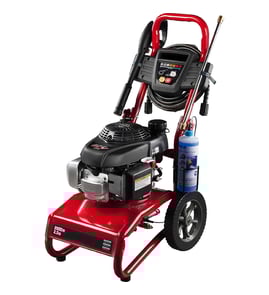



Can you put 87 gas in a pressure washer?
Yes. For the Craftsman pressure washer model 580752100, we use clean, fresh unleaded gasoline with a minimum of 87 octane (87 AKI). Fuel with up to 10% ethanol (gasohol) is acceptable; do not use E85 and do not mix oil into the gasoline (see the owner's manual).
Fuel requirements for Craftsman 580752100
Use fuel that meets these basics:
- Unleaded gasoline
- 87 octane minimum (87 AKI, 91 RON)
- Up to 10% ethanol or up to 15% MTBE is acceptable
- No E85 or other unapproved fuels
- No oil mixed into the gas
What to do if it runs rough after fueling
Not all gasoline performs the same in small engines. If you notice hard starting, surging, or power loss after filling up:
- Switch to a different gas station or brand
- Use fresh fuel (older fuel can cause gum deposits)
- Add fuel stabilizer when filling the tank if the unit will sit
- Check that the water supply is on and the high-pressure hose is not kinked (a water restriction can feel like an engine issue)
For symptom-based troubleshooting steps, use pressure washer engine losing power or pressure washer won't start.
Quick comparison: common pump-gas choices
| Fuel at the pump | OK to use? | Notes |
|---|---|---|
| 87 octane (regular) | Yes | Recommended minimum octane for this model |
| 88 to 93 octane (mid/premium) | Yes | Typically fine; octane alone rarely fixes running issues |
| E85 (flex fuel) | No | Can damage the fuel system and cause poor operation |
Why it matters
Using the correct octane and ethanol blend helps prevent starting problems, power loss, and fuel-system deposits in the carburetor, fuel hose, and tank during storage.
Last updated: February 2026
What is a good PSI for a gas pressure washer?
A good PSI for a gas pressure washer depends on the jobs you plan to do. For typical home cleaning, 1,300 to 2,800 PSI covers most tasks; the Craftsman 580752100 is rated up to 2,700 PSI (a solid all-around homeowner range). See the owner's manual for the exact specifications and operating limits.
Quick PSI guide (what it’s good for)
- 1,300 to 2,000 PSI: patio furniture, cars, grills, light mildew
- 2,000 to 2,800 PSI: decks, fences, siding prep, driveway spot cleaning
- 2,800 to 3,500 PSI: heavier concrete cleaning and paint prep (more risk of surface damage)
- Higher PSI is not always better: the wrong spray tip or too-close distance can etch wood and concrete
PSI vs GPM: what to prioritize
PSI is “how hard” the spray hits; GPM is “how fast” you rinse. For the Craftsman 580752100, the manual lists 2,700 PSI max and 2.5 GPM max, which is a balanced combo for home use.
| Spec | What it affects | What to look for at home |
|---|---|---|
| PSI | Cleaning force | Enough to lift grime without damaging surfaces |
| GPM | Rinsing speed | Higher GPM saves time on big areas |
| Spray tip angle | Effective pressure at the surface | Wider tips reduce risk of damage |
Why it matters
Choosing the right PSI helps you clean efficiently while avoiding gouging wood, stripping paint unintentionally, or forcing water behind siding. Matching PSI, spray tip, and distance is what keeps results consistent.
Tips to get the best results from your washer
- Start with a wider spray tip and increase intensity only as needed
- Keep the nozzle moving; don’t “park” the spray in one spot
- Use more distance first (then adjust closer gradually)
- Make sure the water supply is strong and steady before starting
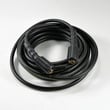
- Inspect for kinks, cuts, or wear in the high-pressure line; replace a damaged hose with the pressure washer hose 84006753
Last updated: February 2026
Is it worth repairing a pressure washer?
Yes, repairing a pressure washer is worth it when the problem is a wear item (hose, O-rings, nozzle, check valve) or a simple adjustment, especially on a solid gas unit like the Craftsman 580752100. Replacement makes more sense when the engine or pump has major internal damage and the repair cost approaches half the price of a comparable new unit.
Quick decision checklist
- Repair if the washer still starts and runs, but pressure is low, surging, or leaking at a connection.
- Repair if the issue is external and accessible (hose, fittings, spray gun, unloader-related symptoms).
- Repair if routine maintenance has been skipped (dirty air filter, old spark plug, old engine oil).
- Replace if the engine has severe mechanical failure (won’t turn over, heavy knocking, seized).
- Replace if the pump body is cracked or the pump has catastrophic internal failure.
- Replace if you need multiple major components at once (pump plus engine work).
What we know about this model that affects the decision
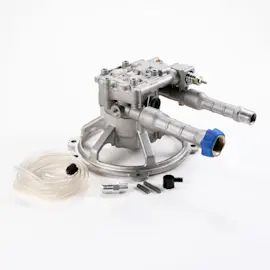
The Craftsman 580752100 pump is factory sealed and pre-lubricated; it does not require pump oil maintenance for the life of the pump. That means many “pump oil” concerns are not a reason to replace the unit; focus instead on leaks, seals, valves, and water supply issues as outlined in the owner's manual.
Common repairable items (often worth fixing)
| Symptom | Likely cause | Typical fix |
|---|---|---|
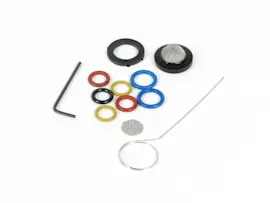
| Water leaking at a connection | Worn O-ring or seal | Replace O-ring or seal (do not use sealant) |
| Low pressure or pulsing | Nozzle restriction, air leak, unloader/check valve issue | Clean tip, verify water supply, service valve |
| Leaking or damaged high-pressure line | Split hose, worn coupler | Replace the hose |
If your high-pressure line is the problem, we stock the pressure washer hose 84006753 (part number 196006GS) for this model.
Why it matters
A small leak or restriction can make a pressure washer feel “worn out,” but those fixes are usually inexpensive compared to replacing the entire machine. On the other hand, major engine or pump damage can turn into repeated downtime and escalating costs.
Safety and repair prep (do this first)
- Disconnect the spark plug wire before adjustments or repairs.
- Wear safety goggles when operating or testing.
- Never aim the spray at people or animals.
- Replace leaking seals or O-rings; do not patch leaks with sealant.
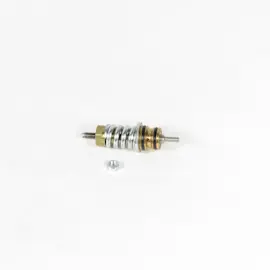
For step-by-step help on a common pressure-loss cause, use our guide: how to replace a pressure washer unloader valve.
Last updated: February 2026
How many PSI is a Craftsman 580752100 pressure washer?
The Craftsman pressure washer model 580752100 is a 2700 PSI max cleaning system (with 2.5 GPM max) as shown in the operator’s documentation. Use that PSI rating when selecting spray tips, hoses, and accessories; confirm operating and safety limits in the 580752100 owner's manual.
PSI rating for this model
Here is the spec you will use most often for setup and troubleshooting:
- Max pressure: 2700 PSI
- Max flow: 2.5 GPM
- Best use: general outdoor cleaning (driveways, decks, siding) with the correct spray tip and distance
What “max PSI” means in real use
“Max PSI” is the peak pressure the pump can produce under ideal conditions. Your working pressure changes based on the spray tip, water supply, and restrictions in the gun or hose.
Common causes of low pressure:
- Partially clogged or worn spray tip
- Low water supply flow (spigot not fully open, kinked inlet hose)
- Air trapped in the pump after storage
- Leaks at quick-connects or O-rings
- Debris in the inlet screen/filter
Quick checks to get pressure back
- Verify strong water flow from the spigot before starting the engine
- Purge air: connect water, hold the trigger until flow is steady, then start
- Try a different spray tip to rule out a blockage
- Inspect the high-pressure hose for leaks, soft spots, or bulges
- Tighten connections snugly (do not overtighten)
PSI and GPM at a glance
| Spec | Craftsman 580752100 | Why it matters |
|---|---|---|
| Max pressure | 2700 PSI max | Cleaning force; helps you choose the right tip and distance |
| Max flow | 2.5 GPM max | Rinsing speed; affects how fast you can wash large areas |
Why it matters
Matching accessories to the correct PSI helps prevent surface damage and avoids performance loss from restrictions or leaks. If your hose is leaking or collapsing under pressure, replacing it can restore output; see the pressure washer hose 84006753.
Last updated: February 2026