Get free shipping on your order, with any water filter subscription. Find my filter

Open Hamburger Menu
Sears Parts Direct
Tips to find your model number
GE WMCD2050J2WC washer

GE WMCD2050J2WC washer Parts

Here are the diagrams and repair parts for GE WMCD2050J2WC washer, as well as links to manuals and error code tables, if available.

By Schematic
By Part
SELECT DIAGRAM
?

This is the number corresponding to the part on the diagram / schematic

Browse Parts for WMCD2050J2WC Washer

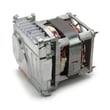
  • Washer Drive Motor for GE WMCD2050J2WC - Part WH20X10055

    Suspension, pump & drive components diagram

    Motor And Inverter

    Part #WH20X10047

    Replaced by #WH20X10055

    Info Icon
    Manufacturer substitution
    This part replaces WH20X10047. Substitute parts can look different from the original.
    In Stock
    $353.09
    $12.00 OFF Phone Price : $365.09Info Icon
    Minus Item
    Qty
    Plus Item
  • Washer Tub Seal Assembly for GE WMCD2050J2WC - Part WH02X10383

    Tub, basket & agitator diagram

    Washer Tub Seal

    Part #WH02X10032

    Replaced by #WH02X10383

    Info Icon
    Manufacturer substitution
    This part replaces WH02X10032. Substitute parts can look different from the original.
    In Stock
    $11.96
    14% OFF Phone Price : $13.96Info Icon
    Minus Item
    Qty
    Plus Item
  • Clamp - Tu for GE WMCD2050J2WC - Part WH1X2730

    Tub, basket & agitator diagram

    Tub Clamp

    Part #WH01X2730

    Replaced by #WH1X2730

    Info Icon
    Manufacturer substitution
    This part replaces WH01X2730. Substitute parts can look different from the original.
    In Stock
    $8.38
    11% OFF Phone Price : $9.38Info Icon
    Minus Item
    Qty
    Plus Item
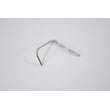
  • Wireform H for GE WMCD2050J2WC - Part WH1X2783

    Cabinet, cover & front panel diagram

    Wireform Hng

    Part #WH01X2783

    Replaced by #WH1X2783

    Info Icon
    Manufacturer substitution
    This part replaces WH01X2783. Substitute parts can look different from the original.
    In Stock
    $52.41
    Minus Item
    Qty
    Plus Item
  • Washer Cabinet Panel Guide Pin for GE WMCD2050J2WC - Part WH2X1189

    Cabinet, cover & front panel diagram

    Pin Alignmnt

    Part #WH02X1189

    Replaced by #WH2X1189

    Info Icon
    Manufacturer substitution
    This part replaces WH02X1189. Substitute parts can look different from the original.
    In Stock
    $8.78
    10% OFF Phone Price : $9.78Info Icon
    Minus Item
    Qty
    Plus Item
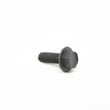
  • Washer Screw for GE WMCD2050J2WC - Part WH2X1201

    Suspension, pump & drive components diagram

    Scr 1/4-20 B

    Part #WH02X1201

    Replaced by #WH2X1201

    Info Icon
    Manufacturer substitution
    This part replaces WH02X1201. Substitute parts can look different from the original.
    In Stock
    $8.38
    11% OFF Phone Price : $9.38Info Icon
    Minus Item
    Qty
    Plus Item
  • Washer Drain Hose Support Clip for GE WMCD2050J2WC - Part WH16X513

    Cabinet, cover & front panel diagram

    Clip

    Part #WH16X0513

    Replaced by #WH16X513

    Info Icon
    Manufacturer substitution
    This part replaces WH16X0513. Substitute parts can look different from the original.
    This item is not returnable
    In Stock
    $8.93
    10% OFF Phone Price : $9.93Info Icon
    Minus Item
    Qty
    Plus Item
  • Washer Shipping Rod Cap (white) for GE WMCD2050J2WC - Part WH1X2745

    Cabinet, cover & front panel diagram

    Button Plug

    Part #WH01X2745

    Replaced by #WH1X2745

    Info Icon
    Manufacturer substitution
    This part replaces WH01X2745. Substitute parts can look different from the original.
    In Stock
    $8.68
    10% OFF Phone Price : $9.68Info Icon
    Minus Item
    Qty
    Plus Item
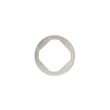
  • Washer Transmission Pulley Nut for GE WMCD2050J2WC - Part WH2X1203

    Suspension, pump & drive components diagram

    Pulley Nut

    Part #WH02X1203

    Replaced by #WH2X1203

    Info Icon
    Manufacturer substitution
    This part replaces WH02X1203. Substitute parts can look different from the original.
    In Stock
    $6.60
    39% OFF Was : $10.88Info Icon
    Minus Item
    Qty
    Plus Item
  • Laundry Appliance Screw, #8-32 X 3/8-in, 12-pack for GE WMCD2050J2WC - Part WZ5X158D

    Cabinet, cover & front panel diagram

    Screw

    Part #WZ05X0158

    Replaced by #WZ5X158D

    Info Icon
    Manufacturer substitution
    This part replaces WZ05X0158. Substitute parts can look different from the original.
    In Stock
    $19.57
    48% OFF Was : $37.28Info Icon
    Minus Item
    Qty
    Plus Item

GE Washer WMCD2050J2WC FAQs

Your GE washer’s model number is printed on a rating label attached to the machine. On GE washers like model WMCD2050J2WC, you’ll typically find it on the back of the control panel, on the cabinet (often low on a side panel), or around the door opening on front-load styles. Use the exact model number when ordering parts or scheduling service.

Where to look first

  • Back of the control panel (rear edge or underside lip)
  • Left or right side of the main cabinet near the bottom
  • Behind the washer lid (top-load models)
  • Inside the door opening or door jamb (front-load models)
  • Rear panel near the power cord or water connections

What to write down (and why)

The label usually includes both a model number and a serial number. We recommend recording both.

Label item Example Why it matters
Model number WMCD2050J2WC Ensures diagrams and parts match your exact washer
Serial number (varies) Helps identify production run details for service

Tips to avoid ordering the wrong part

  • Copy the model number exactly, including all letters and numbers.
  • If the label is worn, take a clear photo and zoom in to confirm characters.
  • Match the model number on the label to the model shown on your parts list before you buy.
  • Keep the model and serial number handy when calling for service.

Why it matters

GE often uses similar-looking cabinets across multiple washer series; a single character difference in the model number can change the correct lid assembly, drive system, or water inlet valve. Using the exact model number keeps troubleshooting and part selection accurate.

For additional model and serial number guidance tied to installation and service info, check the WMCD2050J2WC installation guide.

Last updated: February 2026

A GE stackable washer and dryer set typically lasts 10 to 14 years with normal use and basic maintenance. For your GE washer model WMCD2050J2WC, good installation practices and routine care help you reach the high end of that range; see the WMCD2050J2WC installation guide for setup and safety details.

Typical life expectancy (what to expect)

Most residential GE laundry pairs fall into these ranges:

Appliance Typical life expectancy What shortens it fastest
Washer 10 to 14 years Overloading, poor leveling, hose leaks
Dryer 10 to 13 years Restricted venting, overheating, heavy daily use

How to help your set last longer

We recommend these practical habits because they reduce wear on the drive system, suspension, and water system:

  • Do not overload; heavy, unbalanced loads strain the tub, suspension, and drive components.
  • Level the washer so it does not bang or walk during spin.
  • Turn off water faucets when not in use to reduce the chance of leakage.
  • Replace fill hoses every 5 years (a GE recommendation in the installation instructions).
  • Use the correct water connections (hot to “H”, cold to “C”) to avoid performance issues.
  • Keep the washer clean and odor-free; residue and mildew can lead to repeat service issues.

Quick checks that prevent early failures

These are the most common “small problems” that turn into big repairs:

  • Washer shakes or thumps during spin (often leveling or load balance)
  • Slow fill or no fill (check supply valves and hose condition)
  • Water on the floor (inspect hoses and connections first)
  • Unusual grinding or roaring (can point to bearing or tub wear)

Why it matters

A washer and dryer that are installed correctly and maintained consistently run cooler, vibrate less, and put less stress on key parts like the tub, suspension, and drive system. That directly improves reliability and extends service life.

Last updated: February 2026

If your GE washer model WMCD2050J2WC is not draining, the most common causes are a blocked drain path (hose or pump area), a kinked/incorrectly installed drain hose, or a drive system problem that prevents the washer from pumping out. Start with safe checks and simple clogs first.

Quick checks (fastest fixes first)

  • Unplug the washer or switch off the breaker before inspecting anything internal.
  • Confirm the drain hose is not kinked, crushed, or shoved too far down the standpipe.
  • Check the standpipe or laundry sink for a slow household drain (it can mimic a washer drain failure).
  • Run a drain/spin cycle and listen: a steady hum with no water movement often points to a blockage at the pump area.
  • If the tub is overfilled or underfilled before the drain issue, inspect the pressure hose for damage or disconnection.

What to inspect on WMCD2050J2WC

On this GE washer, drainage problems usually trace back to one of these areas:

Symptom Most likely area What to do next
Water stays in tub, hose looks fine Pump path obstruction Check for coins, lint, socks, or debris in the pump inlet and hoses
Drains sometimes, then stops Partial clog or collapsing hose Clear the hose, verify routing and height per the installation guide
Won’t drain and tub movement seems abnormal Drive or shifting issue Inspect the drive components; consider the washer drive shaft and shifter assembly WH38X10017 if shifting/drain sequence is failing
Water level sensing seems off Pressure hose issue Inspect/replace the hose pressure switch WH41X365 if cracked, loose, or restricted

Why it matters

A washer that cannot drain can leave clothes soaking wet, trigger out-of-balance spinning, and strain the drive motor. Fixing a simple blockage early helps prevent secondary issues like belt/pulley wear and tub seal leaks.

Safety and installation notes

  • Always unplug the washer or turn off the circuit breaker before servicing.
  • Proper installation and hose routing reduce drain and siphoning problems; follow the installation guide for correct setup.

Last updated: February 2026

To remove the front panel on a GE stackable washer like model WMCD2050J2WC, we start by disconnecting power, then release the panel fasteners and lift the front panel up and off its locating tabs. Use the steps in the WMCD2050J2WC installation guide for safe access and handling.

Before you start (safety and prep)

  • Unplug the washer or switch OFF the circuit breaker.
  • Turn OFF both water supply valves (hot and cold).
  • Pull the unit forward enough to work safely without straining hoses.
  • Protect the floor with cardboard or a towel.
  • Keep screws and clips in a cup so nothing gets lost.

Front panel removal steps (typical GE stackable procedure)

  1. Remove the lower access or toe panel (if equipped). This is often held by a couple of screws along the bottom edge.
  2. Locate the front panel fasteners. Many GE stackable designs use screws at the bottom and/or inside the cabinet edges.
  3. Release the top edge. After screws are out, pull the panel slightly forward, then lift up to disengage the top locating tabs.
  4. Disconnect any wiring only if needed. If the front panel has a harness (some designs do), support the panel and unplug the connector.
  5. Set the panel aside where it will not get bent.

What you will usually need

  • Phillips screwdriver
  • 1/4-inch nut driver (common on GE cabinets)
  • Putty knife (for spring clips on some versions)
  • Work gloves

Common “stuck panel” causes and fixes

  • Hidden screws: Check along the very bottom lip and inside the cabinet corners.
  • Spring clips: Slide a putty knife into the seam to depress clips, then pull forward.
  • Panel hung on tabs: Lift up firmly while pulling the panel slightly toward you.
  • Cabinet racked from moving: Push the panel inward, then lift and remove.

Quick reference table

What you see What it usually means What we do next
Screws at bottom edge Toe/front panel is screw-mounted Remove screws, then lift panel up
No screws, tight seam Spring clips are holding it Use putty knife to release clips
Panel moves but will not lift off Still engaged on tabs or one fastener remains Recheck corners, then lift straight up

Why it matters

Removing the front panel the right way prevents bent cabinet edges, broken clips, and pinched wiring. It also keeps the washer stable and safe to service once the cabinet is open.

Last updated: February 2026
Most common symptoms to help you fix your washers

Choose a symptom to see related washer repairs.

Main causes: clogged drain hose, house drain clogged, bad drain pump, water-level pressure switch failure, bad control b…

Main causes: broken lid switch or lid lock, bad pressure switch, broken shifter assembly, faulty control system…

Main causes: worn agitator dogs, bad clutch, broken motor coupler, shifter assembly failure, broken door lock, suspensio…

Main causes: water heater failure, bad water temperature switch, faulty control board, bad water valve, faulty water tem…

Main causes: lack of electrical power, wiring failure, bad power cord, electronic control board failure, bad user interf…

Main causes: no water supply, bad water valves, water-level pressure switch failure, control system failure, bad door lo…

Main causes: unbalanced load, loose spanner nut, worn drive block, broken shock absorber or suspension spring, debris in…

Main causes: leaky water inlet valve, faulty water-level pressure switch, bad electronic control board…

Main causes: bad lid switch or door lock, bad timer or electronic control board, wiring failure, bad water inlet valve a…

Repair guides for electric wall ovens

How to replace a wall oven broil element

How to replace a wall oven broil element

Follow these step-by-step instructions to replace the broiler element in an electric oven.…

Repair time and Difficulty

 15 minutes or less
How to replace a temperature sensor on an electric wall oven

How to replace a temperature sensor on an electric wall oven

These step-by-step instructions guide you through replacing a temperature sensing probe on an electric wall oven.…

Repair time and Difficulty

 15 minutes or less
How to replace a wall oven hidden bake element

How to replace a wall oven hidden bake element

These step-by-step instructions guide you through replacing the hidden bake element.…

Repair time and Difficulty

 30 minutes or less

Effective articles & videos to help repair your washers

Use the advice and tips in these articles and videos to get the most out of your washer.

How auto-load sensing washers work (and when they don't)

How auto-load sensing washers work (and when they don't)

Your washer barely fills or seems stuck in sensing mode? Find out how auto-load sensing and Precise Fill features work, …

How to remove the main control board and user interface from a Maytag Epic Z front-load washer

How to remove the main control board and user interface from a Maytag Epic Z front-load washer

Get step-by-step instructions for removing the main electronic control board and the control panel from a Maytage Epic Z…

Using a wiring schematic to trace a current video

Using a wiring schematic to trace a current video

Find out what’s wrong with your appliance by following a circuit.…

Parts & More

Bottom-Mount Refrigerator
Dryer
Electric Wall Oven
Food Processor
Gas Chainsaw
Lathe
Microwave
Microwave/Hood Combo
Plasma Television
Rear-Tine Tiller
Side-By-Side Refrigerator
Snowblower Attachment
Table Saw
Toaster Oven
Top-Mount Refrigerator
Trash Compactor
Washer
Water Heater