 Installation guide
 Owner’s manual





What is the average life expectancy of a GE dishwasher?
A GE dishwasher like model GDT550PGR3WW typically lasts about 12 years. The normal lifespan range for most residential dishwashers is 10 to 15 years, and consistent cleaning, correct detergent use, and quick fixes for small problems help you reach the high end of that range.
Most of the difference comes down to how hard the machine works and how clean the wash system stays.
- Loads per week: more cycles usually means faster wear on the pump, motor, and door components
- Water quality: hard water can leave mineral buildup that reduces cleaning and stresses parts
- Detergent and rinse aid habits: using the right products helps prevent film, odors, and poor wash results
- Filter and spray arm cleanliness: clogs reduce water flow and cleaning performance
- Installation quality: a secure, serviceable install helps prevent leaks and wiring issues (see the installation guide)
These are the highest-impact habits for GE dishwashers in the GD*550 series.
- Clean the interior periodically to remove mineral deposits and odors
- Wipe the control panel with a lightly damp cloth, then dry
- Use dishwasher detergent and rinse aid intended for automatic dishwashers
- Adjust detergent amount to match your water hardness and soil level
- Keep the door seals and bottom area clear of debris
| Usage pattern | What we typically see | Practical expectation |
|---|---|---|
| Light (1 to 3 loads/week) | Lower wear on pump and heater | Often closer to 15 years |
| Average (4 to 7 loads/week) | Normal residential use | Around 10 to 15 years |
| Heavy (multiple loads/day) | Faster wear and more buildup risk | Often closer to 8 to 12 years |
Knowing the expected lifespan helps you decide when maintenance is worth it versus planning for replacement. If your unit is approaching the 10 to 15 year window, using the care steps in the owner's manual can prevent common performance issues (poor cleaning, draining problems, odors) that shorten service life.
Last updated: February 2026
What are the commonly replaced parts in a dishwasher?
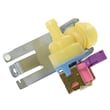
In a GE GDT550PGR3WW dishwasher, the most commonly replaced parts are the ones that affect washing, draining, drying, and door operation: filters, spray arms, the detergent dispenser, door latch and door seal, drain components, and heating or control-related parts. These typically wear from normal use, hard water buildup, and heat.
- Filter and sump area parts: trap food soil to protect the pump and improve cleaning
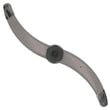
- Spray arms: spin and distribute water; clogged jets reduce wash performance
- Detergent dispenser: releases detergent at the right time; failures cause poor cleaning
- Door latch and door switch: confirm the door is closed so the cycle can run
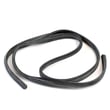
- Door seal (gasket): prevents leaks around the tub opening
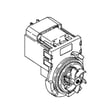
- Drain hose and drain pump: move water out; issues cause standing water
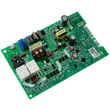
- Heating circuit parts (heater, thermostat, wiring): support drying and water temperature
| Symptom | Parts to check first | What to look for |
|---|---|---|
| Not cleaning well | Filter, spray arms, dispenser | Clogs, cracks, stuck dispenser door |
| Not draining | Drain hose, drain pump, air gap/disposal connection | Kinks, blockages, pump noise but no flow |
| Leaking | Door seal, door alignment, inlet/drain connections | Wetness at corners, torn gasket |
| Won’t start or stops | Door latch/switch, control panel, wiring | Door not latching, intermittent power |
| Not drying | Heating circuit parts, rinse aid use, venting | Cool dishes, water left on plastics |
Dishwashers run hot, move water at high speed, and handle food soil. Over time, mineral deposits and debris can clog spray arms and filters, seals can flatten or tear, and electrical components can fail from heat and moisture. Our owner's manual also emphasizes disconnecting power before maintenance and using safe cleaning methods for the control panel and interior.
- Use GE electronic dishwasher error codes to match a displayed code to likely causes
- Use GE dishwasher error codes if your model uses a different GE code format
- If the unit has power but won’t run, follow dishwasher wont start video
Last updated: February 2026
What is the most common problem with GE dishwashers?
The most common GE dishwasher issues are draining problems, poor cleaning, and “won’t start” symptoms. On the GE GDT550PGR3WW, these usually trace back to clogs (filter, sump, drain hose), loading or detergent mistakes, or a door not fully latched, before a failed pump, inlet valve, or heater becomes the cause.
- Not draining: clogged filter/sump, blocked drain hose, or a drain pump problem
- Not cleaning well: spray arm blockage, filter buildup, low water fill, or detergent not dispensing
- Won’t start: door not fully closed/latched, control not reset, or power supply issue
- Leaking: door seal issues, loose connections, or over-sudsing from wrong detergent
- Suds/foam in tub: using non-dishwasher detergent or rinse aid spills (can stop washing and draining)
- Confirm the door closes firmly and the rack is fully pushed in (a partially extended rack can interfere with closing).
- Check loading so tall items do not block the detergent dispenser.
- Use the right detergent: only automatic dishwasher detergent; never hand dish soap.
- If you see suds, let them dissipate and pump out the water using the Start/Cancel steps in the owner's manual.
- Clean and maintain the filter area and spray paths on a regular schedule.
| What you notice | Most likely cause | What to do next |
|---|---|---|
| Water left in bottom | Drain restriction | Clean filter/sump; inspect drain hose routing |
| Detergent still in cup | Dishes blocking dispenser | Reload so nothing blocks the cup |
| Cloudy glassware | Too much detergent (often with soft water) | Reduce detergent; use shorter cycle |
| Suds/foam | Wrong detergent or rinse aid spill | Use correct detergent; follow manual suds removal steps |
Drain clogs and detergent or loading issues can mimic “bad parts.” Fixing the basics first prevents repeat problems, improves wash performance, and helps you avoid unnecessary replacements.
If the control shows a fault code or blinking pattern, match it to the troubleshooting steps in GE electronic dishwasher error codes.
Last updated: February 2026
Is it worth repairing a GE dishwasher?
Yes, repairing a GE dishwasher like model GDT550PGR3WW is worth it when the unit is in good overall condition and the repair is a normal wear item (drain issue, leak, not cleaning) rather than repeated major failures; as a rule, repairs that cost less than about half the price of a comparable new dishwasher make sense.
- The dishwasher is under 10 years old and has been reliable overall.
- The problem is one clear symptom (won’t drain, won’t start, leaks, not drying) rather than multiple recurring issues.
- The estimated repair total (parts plus labor) is less than 50% of a replacement.
- The tub and door are in good shape (no major damage); GE notes the stainless tub and inner door are designed not to rust or corrode from normal scratches. See the owner's manual.
- You can still remove the dishwasher for service; the installation instructions require installation that allows future removal. See the installation guide.
| Scenario | Usually worth repairing? | Why |
|---|---|---|
| Won’t drain, slow drain, standing water | Yes | Often a clog, drain hose issue, or pump related repair |
| Leaks at door or underneath | Yes | Common gasket, hose, or clamp type fixes |
| Not cleaning or not drying well | Yes | Often maintenance, spray arm, filter, or rinse aid related |
| Repeated electrical/control failures | No | Higher cost and can become recurring |
- Check for a tripped breaker and confirm you have the required 120V, 60Hz, 15A or 20A supply.
- If the dishwasher is on a wall switch, make sure it is on; if it was turned off, wait 5 to 10 seconds after turning it on before pressing Start so the control can initialize.
- Look up any displayed fault or blinking pattern using GE electronic dishwasher error codes.
- Run basic maintenance (clean interior, address hard water film) as outlined in the owner's manual.
A targeted repair can restore performance and avoid the cost and time of a full replacement, but repeated high-cost failures usually mean you spend more over time with less reliability.
Last updated: February 2026





