Owner’s manual
 Error Codes
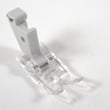

Where is the sewing parts online store?
Sewing parts for your Kenmore 38519112 electronic sewing machine are sold online through Sears PartsDirect, not through a physical walk-in “Sewing Parts Online” store location. Use the model number 38519112 to match the correct accessories and replacement parts listed for your machine in the 38519112 owner's manual.
How to find the right sewing machine parts online
We recommend using your Kenmore model number (38519112) and the part name to avoid ordering the wrong item.
- Confirm the exact model number on the machine ID label
- Look up the part name in the parts and accessories section of the manual
- Match the part number and description before ordering
- If you are troubleshooting first, identify the symptom or any error code shown
- Order only what you need (for example: bobbins, needles, light bulb, belt)
Common accessories listed for Kenmore 38519112
The manual for this model lists several commonly ordered accessories and consumables.
| Item type | What it does | Notes |
|---|---|---|
| Bobbins | Holds lower thread | Keep multiple on hand for color changes |
| Assorted needle set | Pierces fabric and forms stitches | Needles are expendable parts |
| Light bulb | Illuminates the sewing area | Often treated as a wear item |
| Presser feet (zigzag, zipper, blind hem) | Controls fabric handling for specific stitches | Choose the foot that matches the stitch/task |
Why it matters
Sewing machine parts are not universal. Using the correct Kenmore 38519112 part number helps prevent fit issues, skipped stitches, thread breaks, and timing problems.
If you are searching because the machine is not sewing correctly
If the machine is displaying a code or beeping, start with Kenmore 385 error codes to narrow the cause before ordering parts.
Last updated: February 2026
What year is the Kenmore sewing machine model 38519112?
Kenmore sewing machine model 385.19112 (listed as 38519112) does not have a single “model year”; it was produced across a range of years, and the exact build date is typically tied to the original purchase date and documentation. Use the warranty and identification details in the 38519112 owner's manual to narrow the timeframe for your specific machine.
How to pin down the year for your specific 38519112
We use a few practical checks to get to the most accurate year without guessing:
- Check your original receipt or warranty paperwork; the purchase date is the best “real-world” date.
- Review the warranty section in the manual; it references coverage “from the date of purchase,” which helps anchor timing.
- Look for an identification plate or label on the machine body (often near the power inlet or underside) and record any additional codes.
- If your machine displays an error code, match it to the correct family; many Kenmore machines in the 385 series share troubleshooting formats.
- Compare included accessories and foot controller model markings; these sometimes changed over production runs.
What the manual confirms (and what it implies)
The manual identifies the unit as Model 385.19112 and specifies compatible foot controller models (YC-482J-EC or TJC-150). That confirms you have the correct manual for the model, but manuals usually cover a production run rather than one calendar year.
Quick reference
| What you have | What it tells you | Best place to check |
|---|---|---|
| Receipt / warranty card | Exact purchase date (best proxy for “year”) | Your records |
| Model number 385.19112 | Model family and parts compatibility | Machine label and 38519112 owner's manual |
| Error code on display | Which troubleshooting chart applies | Kenmore 385 error codes |
Why it matters
Knowing the approximate production window helps you match the right parts, foot controller, and troubleshooting steps for your Kenmore 38519112 sewing machine, especially when symptoms involve the motor, switch, or electronic circuitry.
Last updated: February 2026
How can I find out how much my sewing machine is worth?
The value of your Kenmore sewing machine model 38519112 depends on condition (fully sewing vs. not running), completeness (foot pedal, accessories, case, manual), and local demand. Most used electronic sewing machines sell for modest amounts, while clean, fully working machines with accessories sell for more.
Quick steps to estimate value
- Find the exact model number (yours is 38519112) and note any included accessories.
- Confirm basic operation: powers on, needle moves, feeds fabric, and makes a balanced stitch.
- Check cosmetic condition: cracks, missing knobs, damaged cord, or corrosion lower value.
- List what you have: presser feet, extension table, bobbins, needles, and any tote/case.
- Compare recent sold prices for the same model number (sold listings matter more than asking prices).
What typically changes the price the most
- Working status: A machine that sews smoothly is worth more than “powers on only.”
- Completeness: Original accessories and documentation increase buyer confidence.
- Maintenance needs: Issues like sluggish running, lockups, or feed problems reduce value.
Condition checklist (use this before you price it)
| Check | What “good” looks like | What lowers value |
|---|---|---|
| Power and speed control | Motor runs smoothly across speeds | Won’t run, surges, burning smell |
| Stitch formation | Even stitches top and bottom | Skips stitches, thread breaks |
| Feed system | Fabric advances consistently | Fabric not moving, feed dogs stuck |
| Mechanics | Handwheel turns freely | Machine locks up, knocking noises |
Why it matters
Buyers pay for confidence. A Kenmore 385-series machine that’s clean, complete, and demonstrably sewing is easier to sell and commands a higher price than an untested or partially missing setup.
Helpful references for Kenmore 385 models
- Use the owner's manual to identify included parts (like the power switch, speed control, needle plate, and drop feed dogs lever) and to verify what accessories should be present.
- If your machine shows a code or won’t operate normally, check Kenmore 385 error codes to understand what the machine is reporting before you list it.
Last updated: February 2026
What is the most trouble-free sewing machine?
The most trouble-free sewing machines are typically simple, well-maintained mechanical models with strong build quality and easy-to-service parts. If you already own the Kenmore 38519112, you can make it “low-hassle” by following the cleaning, oiling, threading, and tension steps in the owner's manual and addressing any error codes promptly.
What “trouble-free” usually means
A sewing machine feels reliable when it:
- Starts consistently and runs smoothly at different speeds
- Feeds fabric evenly (no bunching, stalling, or skipped stitches)
- Holds stable upper and bobbin tension
- Avoids frequent thread breaks and needle deflection
- Has durable internal mechanical components (gears, shafts, bearings)
Best picks by type (reliability first)
In real-world use, these categories tend to have the fewest day-to-day issues:
- All-metal or heavy-duty mechanical machines: fewer electronics, fewer sensor-related faults
- Quality computerized machines: reliable when kept clean and used with correct needles and thread
- Well-supported model families: easier to find guidance for setup, timing, and error codes
| Machine type | Why it’s often trouble-free | Tradeoff |
|---|---|---|
| Mechanical (mostly metal) | Fewer electronic failures; straightforward adjustments | Fewer convenience features |
| Computerized (quality build) | Consistent stitch control; helpful diagnostics | More sensitive to lint, power issues |
| Vintage mechanical | Very durable frames and drive systems | May need tune-ups, wiring checks |
How to make your Kenmore 38519112 more trouble-free
These steps prevent most “it suddenly started acting up” problems:
- Re-thread the upper path with the presser foot up (tension discs open)
- Use a fresh needle matched to fabric (universal, ballpoint, denim as needed)
- Clean lint from the bobbin area and feed dogs regularly
- Confirm the bobbin is inserted and wound correctly (even tension, no soft spots)
- Use consistent, good-quality thread; avoid old, fuzzy, or brittle spools
- If the machine displays a code, use the Kenmore 385 error codes guide to narrow the cause
Why it matters
Most “unreliable machine” complaints come from setup and maintenance issues (threading, needle choice, lint buildup, tension). When those basics are right, even an electronic sewing machine like the Kenmore 38519112 runs smoothly and avoids repeat jams, skipped stitches, and lockups.
Last updated: February 2026
Is it worth repairing a sewing machine?
Yes, repairing a Kenmore electronic sewing machine like model 38519112 is worth it when the problem is maintenance-related (lint buildup, timing slightly off, tension issues) or a common wear item (belt, bulb, needle plate). It is also worth repairing when the repair cost stays well below the price of a comparable replacement machine.
How we decide: repair vs. replace
Use these practical checkpoints before you spend money on service:
- Repair it if the machine still forms stitches but has feeding, tension, or noise issues after cleaning
- Repair it if the problem is isolated (power switch, foot control, drive belt, motor, wiring)
- Repair it if you already own accessories and rely on this model’s stitch features
- Replace it if the machine has repeated electronic control failures that return after repair
- Replace it if the repair estimate is 50% to 60% of a comparable replacement machine
What the manual helps you confirm
Your 38519112 owner's manual is the best place to verify what maintenance you can do yourself and what should be handled by a technician. It also includes important safety guidance, such as unplugging before cleaning or replacing the bulb.
| What you’re checking | Why it matters | Typical outcome |
|---|---|---|
| Lint in bobbin and feed dog area | Causes jams, poor feeding, motor strain | Often a quick fix at home |
| Threading and needle condition | Prevents skipped stitches and thread breaks | Low-cost fix |
| Power and speed control behavior | Points to switch, foot control, or wiring issues | May need service |
Low-cost checks to do first
- Unplug the machine, then remove lint from the bobbin area and feed dogs
- Install a new needle and confirm it’s fully seated and facing the correct direction
- Rethread the upper thread with the presser foot up, then reinsert the bobbin correctly
- Test on scrap fabric using a basic straight stitch at medium speed
- If the machine displays a code or beeps, look it up in Kenmore 385 error codes
Why it matters
A targeted repair restores stitch quality and prevents repeated jams that can overload the motor and drive system. Basic cleaning and correct threading also prevent “false failures” that look like bigger mechanical problems.
Last updated: February 2026