Error Codes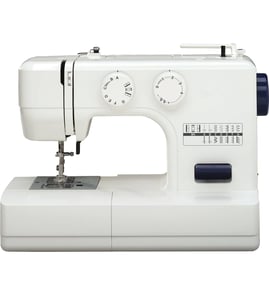

How to tell the age of a sewing machine by serial?
To date a sewing machine by serial number, we match the serial format and prefix to the correct brand’s serial-number chart, then use the chart’s year range for that exact serial block. For a Kenmore 14813101, the serial typically identifies the production run, not a single exact day.
Step-by-step: how we date a machine by serial
- Confirm the brand and model on the ID plate: Kenmore 14813101.
- Write the serial exactly as shown (include letters, dashes, and spaces).
- Identify the serial style (all numbers, letter prefix + numbers, or multiple lines).
- Use the matching serial chart for that brand and series; Kenmore charts differ from Singer charts.
- Cross-check with features (motor type, stitch selector style, foot controller style) to confirm the era.
Common mix-up: Singer serial charts vs. Kenmore serials
The most common dating mistake is using a Singer serial list for a non-Singer machine. If you saw an example like “Y8433902” being dated as a Singer, that method only applies when the machine is actually a Singer with that serial system.
| What you have | What to use | Result you get |
|---|---|---|
| Kenmore 14813101 serial | Kenmore-specific serial/run info | Approximate production era/run |
| Singer serial (example: Y-prefix) | Singer serial chart | Year range for that Singer model |
Why it matters
Knowing the approximate age helps us choose compatible items (needle system, bobbins, belts, motor parts) and troubleshoot correctly, especially for issues like sluggish running, lockups, or fabric not feeding.
Next best checks when the serial does not date cleanly
- Look for a date code on the motor or foot controller label
- Check whether the machine is all-metal vs. mixed plastic construction
- Note whether it has built-in cams or a simple mechanical stitch dial
- Compare symptoms and fixes in our DIY library, such as sewing machine common questions
For parts lookup by model and diagrams, start with the parts list for Kenmore 14813101, or search by model on Sears PartsDirect.
Last updated: February 2026
How do I identify my vintage sewing machine?
To identify a vintage sewing machine, we start with the model number and any serial or ID markings on the machine body. For your Kenmore sewing machine model 14813101, use that model number to match the correct parts diagrams and narrow down the exact version.
Where to look on the machine
Check these common spots first (use a flashlight and wipe dust off the label plate):
- Front faceplate area near the needle bar
- Right side of the machine near the handwheel
- Back of the machine on the lower housing
- Underside of the base (tilt it back carefully)
- Inside the accessory compartment or under the top cover
What numbers mean (model vs. serial)
Most vintage machines have more than one identifier. Here is how we use them:
| Marking you find | What it’s used for | What to do with it |
|---|---|---|
| Model number (example: 14813101) | Identifies the machine design and parts family | Use it to find the correct parts list and diagrams |
| Serial number | Identifies the production run | Record it for your own records and service history |
| Motor/foot control numbers | Identifies electrical components | Use it when troubleshooting power or speed issues |
Quick checks that help confirm the match
Once you’ve found the model number, these details help confirm you’re looking at the right machine and parts breakdown:
- Bobbin style (front-load vs. top-drop)
- Needle system type (common vintage types vary)
- Presser foot shank style (low shank is common on many Kenmore mechanical models)
- Stitch selector style (dial, lever, or cam-based)
- Whether the machine has a built-in light and where the switch is located
Why it matters
Correct identification prevents ordering the wrong parts (needle plate, bobbin case, belt, motor, or foot control) and speeds up troubleshooting. If the machine is locking up, running sluggish, or the fabric is not feeding, matching the model first keeps the repair steps accurate.
Helpful DIY resources
If your vintage Kenmore is showing an error or acting like it’s binding, we use these guides to narrow the cause fast:
For parts lookup beyond the model page, search by model number at Sears PartsDirect.
Last updated: February 2026
Are older sewing machines worth anything?
Yes. Older sewing machines can be worth money, but value depends on the exact model, working condition, and whether original accessories are included. For a Kenmore sewing machine like model 14813101, most value comes from being clean, complete, and sewing smoothly rather than from age alone.
What typically drives the value
- Model demand: some vintage models have strong collector interest; many common models do not.
- Working condition: stitches form correctly, feed dogs move fabric, and the motor runs without overheating.
- Completeness: original foot pedal, power cord, bobbins, presser feet, cams, and case increase value.
- Cosmetic condition: minimal rust, no cracked plastic, readable markings, intact decals.
- Service history: recently cleaned and lubricated machines sell faster and for more.
Quick value ranges you can use
Most older mechanical machines fall into these broad buckets (assuming typical local resale conditions):
| Condition | What it means | Typical value range |
|---|---|---|
| As-is / not sewing | Missing parts, seized, or electrical issues | $20 to $75 |
| Working, basic setup | Sews, includes pedal and a few accessories | $75 to $200 |
| Serviced and complete | Tuned, clean, many original accessories | $200 to $500 |
| Collector-grade | Rare model, excellent cosmetics, fully complete | $500+ |
How we recommend checking your machine before pricing it
- Sew a straight stitch and zigzag on cotton; confirm consistent tension top and bobbin.
- Verify the reverse works and stitch length changes actually change the stitch.
- Confirm the handwheel turns freely and the needle bar moves smoothly.
- Check that the feed dogs rise and move fabric (no slipping or “fabric not moving” symptom).
- Listen for knocking, grinding, or binding, which lowers value.
Why it matters
Buyers pay for reliability. A vintage Kenmore that runs smoothly, forms balanced stitches, and includes the foot control and accessories is easier to sell and commands a higher price than a similar machine that is dirty, incomplete, or needs repair.
If you need parts or want to look up diagrams for your Kenmore 14813101, start with the model parts list and search by model number on Sears PartsDirect.
Last updated: February 2026
What is the most sought after vintage sewing machine?
The most sought-after vintage sewing machine is the Singer Featherweight (Model 221 or 222) because it is compact, all-metal, and known for a smooth straight stitch that quilters and collectors consistently value. Other highly sought models include Singer 301 and 401/403 “workhorse” machines, plus select Bernina and Necchi zigzag models.
Most sought-after vintage models (and why)
These are the names we see come up most often when people compare vintage machines for stitch quality, durability, and collectability:
- Singer Featherweight 221/222: lightweight to carry, excellent straight stitch, strong collector demand
- Singer 301: all-metal construction, fast smooth straight stitch, popular “portable” full-size option
- Singer 401/403: all-metal “workhorse” machines with added stitch capability versus earlier straight-stitch models
- Bernina 530 series: premium build quality, precise zigzag and garment sewing performance
- Necchi BU / Nova: strong motors and solid zigzag performance, prized by enthusiasts
What drives value the most
Two machines with the same model number can have very different value based on condition and completeness.
- Motor runs smoothly and the handwheel turns freely (no binding)
- Original accessories included (feet, bobbins, attachments, case)
- Wiring and foot pedal operate safely and consistently
- Minimal rust, no cracked or missing mechanical parts, timing stays consistent
- Original finish, decals, and paperwork (when included)
Quick comparison: “portable favorite” vs “workhorse”
| Category | Common top pick | Best for | What to watch for | |---|---|---| | Portable collector favorite | Singer Featherweight 221/222 | Quilting, classes, travel | Missing accessories, worn wiring | | Full-size portable straight-stitch | Singer 301 | General sewing, travel | Old grease, stiff mechanisms | | Heavy-duty home workhorse | Singer 401/403 | Denim, canvas, frequent sewing | Maintenance history, worn cams/gears |
Why it matters
If you want a vintage machine to sew regularly (not just collect), the “most sought-after” models are usually the ones with durable all-metal mechanisms, consistent stitch formation, and straightforward maintenance. For your Kenmore 14813101, the same priorities apply: smooth feed, correct threading, and reliable motor performance.
For troubleshooting help with common issues like fabric not feeding, lockups, or sluggish running, start with our DIY resources and then search parts by model on Sears PartsDirect.
Last updated: February 2026