Error Codes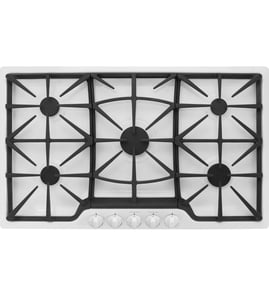




Where can I find the gas cooktop model number?
On a Dcs gas cooktop model CTD-304-70694, the model number is typically on a rating label attached to the cooktop chassis. We most often see it on the underside of the cooktop, around the burner box area, or along an edge that becomes visible after lifting the unit.
Common places to check
- Underside of the cooktop (you may need to look from inside the cabinet below)
- Along the left or right side rail of the cooktop chassis
- Near the gas inlet/regulator area where the supply line connects
- Under a burner area (after removing grates and burner caps, if a label is exposed)
- On the bottom pan or metal frame near mounting brackets
Quick, safe way to look
- Turn all burner knobs to OFF.
- Let the cooktop cool completely.
- Use a flashlight and look up from the cabinet below first (fastest and least disruptive).
- If needed, remove grates and caps to inspect around the burner openings.
- If the cooktop must be lifted, shut off the gas supply and have a qualified technician handle it.
What the label usually shows
| Label item | What it’s used for |
|---|---|
| Model number (example: CTD-304-70694) | Matching the correct parts list |
| Serial number | Identifying production run details |
| Gas type (NG/LP) | Confirming correct orifices and regulator setup |
Why it matters
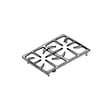
Using the exact model number prevents ordering the wrong burner parts, ignition components, or gas fittings. For example, if you are matching a grate or burner hardware, having the model number helps confirm fit before you order parts like the fisher & paykel cooktop burner grate 220492.
Last updated: February 2026
Do gas cooktops need a regulator?
Yes. A gas cooktop like Dcs model CTD-304-70694 needs a gas pressure regulator to deliver steady, safe gas pressure to the burner valves. Many installations use a regulator at the cooktop or in the supply line; the correct setup depends on your home’s gas type and existing gas piping.
When a regulator is required
In most homes, you will have regulation somewhere in the system, and the cooktop must receive gas at the correct pressure.
- Natural gas (NG): A regulator is typically used to ensure the cooktop receives the specified manifold pressure.
- Propane (LP): Regulation is always required; LP systems use a tank regulator and often an appliance regulator as well.
- If you are converting fuels: You must use the correct orifices and regulator configuration for the fuel.
- If flames are too high/low or noisy: Incorrect pressure or a missing/failed regulator is a common cause.
- If you smell gas or suspect a leak: Shut off the gas supply and have the system checked before using the cooktop.
Parts that relate to regulation and fuel setup
For CTD-304-70694, these parts are commonly involved when addressing pressure, conversion, or ignition symptoms:
Quick checks we recommend (safe, no disassembly)
| What you notice | Likely cause | What to do next |
|---|---|---|
| Tall yellow flames | Wrong fuel setup or pressure issue | Confirm NG vs LP; verify regulator and orifices |
| Small weak flames | Low supply pressure or restriction | Check shutoff valve fully open; have pressure tested |
| Clicking but no ignition | Ignition issue, not regulation | Inspect igniter and spark system |
| Flames lift off burner | Pressure too high or air mix issue | Have regulator and supply pressure checked |
Why it matters
Correct regulation protects the burner valves and helps prevent poor combustion (yellow flames, soot, uneven heating). It also improves ignition reliability and keeps simmer performance consistent.
Last updated: February 2026
Can I replace a gas cooktop myself?
Yes, many homeowners replace a gas cooktop themselves, but we treat it as an advanced DIY job because it involves gas connections, leak testing, and electrical ignition. For the Dcs model CTD-304-70694, plan to shut off gas and power, verify clearances, and test every joint before use.
Before you decide
- Check local permit and inspection requirements for gas appliance work.
- If you smell gas at any point, stop and shut off the gas supply immediately.
- If the cooktop uses electric ignition, you must disconnect power before servicing.
- Use the correct gas type setup (natural gas vs LP); do not mix orifices.
- If your existing gas line or shutoff valve is damaged or hard to access, use a qualified installer.
DIY replacement checklist (safe, practical steps)
- Turn off the gas at the shutoff valve; unplug or switch off the circuit.
- Remove grates and burner parts; protect the countertop surface.
- Disconnect the gas connector at the shutoff valve or regulator connection.
- Install the new cooktop and connect using an approved connector and sealant rated for gas (as required by the fitting type).
- Perform a leak test on every connection using a non-corrosive leak-detection solution.
- Confirm burners ignite and flames are steady and mostly blue.
Parts that commonly come up during a replacement
| What you might need | Why it matters | Example for this model |
|---|---|---|
| Regulator | Ensures correct gas pressure to the manifold | Regulator 210886P |
| Burner grate | Replaces broken or heavily rusted grates | Cooktop burner grate 220492 |
| Ignition parts | Fixes clicking, no-spark, or intermittent ignition | Cooktop burner igniter switch 211754 |
Why it matters
A small gas leak or incorrect regulator/orifice setup can create unsafe operation and poor burner performance. Taking time to leak-test and verify flame quality protects your home and helps the cooktop heat evenly.
Last updated: February 2026
Why do spark electrodes on gas cooktops stop working?
Spark electrodes on the Dcs CTD-304-70694 gas cooktop usually stop working because the igniter tip is coated with grease or moisture, the burner cap is mis-seated, or the ignition circuit has a failed switch or spark module. Cleaning and correct burner alignment fix many cases.
Most common causes (and what to check first)
- Spills and grease buildup: residue insulates the electrode so it cannot arc to the burner.
- Wet burner area: after cleaning or boilovers, moisture can cause weak sparking or constant clicking.
- Burner cap not centered: the flame ports and electrode must line up; a shifted cap blocks ignition.
- Worn igniter switch: a bad switch can prevent spark or cause continuous sparking.
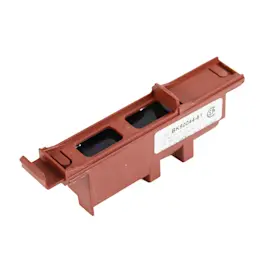
- Failed spark module: no spark on all burners often points to the module.
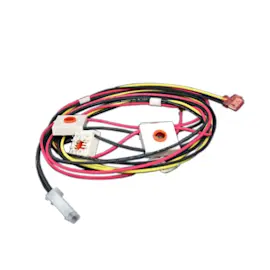
- Damaged wiring or loose connectors: heat and vibration can loosen terminals.
Quick troubleshooting steps (safe, no disassembly)
- Turn all knobs off; let the cooktop cool.
- Lift off grates and caps; clean and dry the electrode area thoroughly.
- Reinstall the burner cap so it sits flat and centered.
- Test ignition on that burner, then test other burners to see if the issue is isolated or cooktop-wide.
What the symptom usually means
| Symptom | Most likely issue | Typical next step |
|---|---|---|
| One burner will not spark | Dirty/misaligned cap or a bad igniter | Clean, reseat cap; inspect/replace igniter |
| All burners will not spark | Power supply issue, spark module, or wiring | Check outlet/cord; test module and harness |
| Constant clicking even when off | Stuck igniter switch or moisture | Dry area; replace switch if it persists |
Parts that commonly solve ignition problems
- If the clicking is erratic or stuck, the fisher & paykel cooktop burner igniter switch 211754 is a common fix.
- If multiple burners lose spark, the fisher & paykel cooktop re-ignition spark module 211812P is often the root cause.
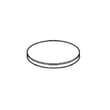
- If the burner will not light because the cap is damaged or not seating correctly, replace the fisher & paykel cap 210608P.
Why it matters
A weak or missing spark can lead to delayed ignition, uneven lighting, or repeated gas flow attempts before the burner lights. Keeping the burner cap, electrode, and grate area clean helps the cooktop ignite quickly and consistently.
Last updated: February 2026