 Owner’s manual




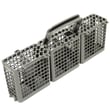
Does an LG dishwasher have a filter to clean?
Yes. Your LG LDS5040BB dishwasher uses a filter system that should be cleaned periodically to prevent poor cleaning, odors, and drain problems. On most LG dishwashers, you access the filter from inside the tub by removing the lower rack and unlocking the filter assembly.
How to clean the dishwasher filter
- Turn the dishwasher off and let it cool.
- Pull out the lower rack.
- Twist the cylindrical mesh filter counterclockwise to unlock it, then lift it out.
- Remove any debris; rinse the filter under warm water and use a soft brush if needed.
- Reinstall the filter and twist clockwise until it locks.
Quick tips (what to do and what to avoid)
- Rinse the filter with warm water; avoid harsh cleaners that can damage plastic.
- Use a soft brush or old toothbrush for the mesh.
- Check for glass shards before handling debris.
- Make sure the filter is fully seated and locked before running a cycle.
- Clean more often if you run heavy soil loads or don’t pre-rinse.
Cleaning frequency guide (typical)
Filter cleaning needs depend on soil level and usage. Use this as a practical baseline, then follow the schedule in your LDS5040BB owner's manual.
| Usage pattern | Typical filter check/clean interval |
|---|---|
| Light soil, mostly rinsed dishes | Every 4 to 8 weeks |
| Normal daily use | Every 2 to 4 weeks |
| Heavy soil, lots of starch/grease | Weekly |
Why it matters
A clogged filter restricts water flow and recirculation, which can leave grit on dishes, reduce spray arm performance, and contribute to slow draining. Keeping the filter clean helps your wash system work efficiently and protects components like the circulation pump.
Last updated: February 2026
What is the lifespan of an LG dishwasher?
An LG dishwasher like model LDS5040BB typically lasts about 10 to 15 years with normal household use and basic maintenance (cleaning filters, using the right detergent, and fixing small leaks early). Heavy use, hard water, and poor draining can shorten that lifespan.
Typical lifespan and what affects it
Most dishwashers fall into a predictable range; how you use and maintain the unit matters as much as the brand.
- Average household use: 10 to 15 years
- Heavy daily use (multiple loads/day): closer to 8 to 12 years
- Hard water without treatment: can reduce life by causing scale buildup
- Poor cleaning/draining performance left unresolved: increases wear on the pump and heater
- Door leaks or standing water: can lead to corrosion and electrical issues
Quick maintenance that helps your LDS5040BB last longer
These steps prevent the most common “wear-out” failures (wash system strain, heating problems, and leaks). For model-specific care and cleaning guidance, follow the LDS5040BB owner's manual.
- Clean the filter area and sump regularly (monthly is a good routine)
- Run hot water at the sink before starting a cycle (improves wash performance)
- Use the correct detergent amount; too much can cause residue and poor rinsing
- Check spray arms for clogs and clear debris
- Inspect for small leaks under the unit and address them quickly
Parts that commonly drive “end of life” decisions
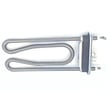
When a dishwasher nears the end of its service life, these parts are often involved in performance complaints. If drying is weak or cycles run long, the dishwasher heating element 5301DD1001G is one of the key components to check.
| Symptom | Common system involved | Example part on this model page |
|---|---|---|
| Not drying well | Heating circuit, venting | Dishwasher heating element |
| Poor cleaning | Wash circulation, spray | Circulation pump system |
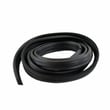
| Leaks | Seals, gaskets, door vent | Diverter/vent gaskets |
| Won’t fill or fills slowly | Water inlet path, sensing | Water inlet guide, flow sensor |
Why it matters
Knowing the typical lifespan helps you decide whether to maintain, repair, or replace. If your LDS5040BB is already in the 10 to 15 year range, fixing a single wear item (like a heater or gasket) often restores performance, but multiple major failures at once usually signal the unit is nearing retirement.
Last updated: February 2026
What is the most common problem with a LG dishwasher?
The most common issue we see with LG dishwashers like model LDS5040BB is drainage trouble, meaning water stays in the bottom after the cycle. In most cases, the cause is a clog in the filter area, a blocked drain path, or a drain hose problem; all are usually fixable with basic checks.
What to check first (fast, no parts)
- Cancel the cycle and let the unit try to drain again.
- Remove and clean the filter area in the bottom of the tub (food, labels, glass).
- Check the drain hose for kinks, crushing, or a low spot that traps water.
- If connected to a garbage disposal, confirm the disposal inlet plug was removed.
- Make sure the sink drain is not backing up (a slow sink can cause dishwasher drain issues).
For model-specific cleaning and operating steps, follow the LDS5040BB owner's manual.
If it still will not drain
Drain problems often come down to “water cannot leave” or “the dishwasher thinks it cannot drain.” These checks help narrow it down:
| What you notice | Most likely cause | What to do next |
|---|---|---|
| Standing water, but you hear the drain motor running | Clog in filter/sump or drain hose | Re-clean filter area; inspect hose routing |
| No drain sound at all | Control, wiring, or motor issue | Check for error code; inspect door latch and power |
| Drains slowly, leaves dirty water | Partial blockage or restricted flow | Clear hose/air gap (if used); clean sump area |
If you’re seeing an error code, use our LG dishwasher error codes guide to match the code to the most likely drain-related cause.
Parts that can be involved in “won’t drain” symptoms
We only recommend replacing parts after the basic clog and hose checks above.
- A failed heater can leave water cooler and contribute to poor drying, which is sometimes mistaken for “not draining”; see dishwasher heating element 5301DD1001G.
- If the dishwasher is not filling correctly, it may stop early and appear to “not drain”; inspect fill and flow components.
- If the unit fills but wash performance is weak, circulation issues can leave dirty water behind.
Why it matters
Standing water can lead to odors, poor cleaning, and repeated cycle interruptions. Fixing the drain path first (filter, hose, disposal connection) solves the majority of LG dishwasher “water left in tub” complaints without guesswork.
Last updated: February 2026






