


What is the life expectancy of a Whirlpool dryer?
Whirlpool electric dryers like model WED5100HC2 typically last 10 years with normal household use. With consistent care (good airflow, clean lint path, and prompt repair of wear items), it’s common to reach 12 to 15 years before major replacement becomes more cost-effective.
What affects dryer lifespan most
- Vent restriction (long dry times, overheating, extra wear on the heater and motor)
- Load size and frequency (large families put more cycles on the drum, belt, and rollers)
- Heat stress (repeated overheating shortens life of thermostats and fuses)
- Lint buildup inside the cabinet and ducting
- Delayed repairs when you first hear squealing, thumping, or grinding
Maintenance that helps WED5100HC2 last longer
- Clean the lint screen every load; inspect the lint screen area for buildup.
- Check airflow at the outdoor vent; weak airflow usually means the vent needs cleaning.
- Keep the vent run as short and straight as possible; replace crushed or kinked venting.
- If you hear rumbling or squealing, inspect drum support parts early to prevent drum damage.
Common “wear parts” that can extend service life
If your dryer still heats and tumbles but is noisy or slow, replacing wear items can be a smart way to keep WED5100HC2 running.
| Symptom | Often related to | Example compatible part for this model |
|---|---|---|
| Thumping/rumbling | Drum support rollers | Dryer drum support roller WPW10314173 |
| Squealing | Idler pulley | Dryer idler pulley W10837240 |
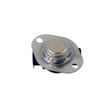
| No heat or shuts off from overheating | Thermal protection components | Thermal fuse W10909685 |
Why it matters
A dryer that is venting poorly can overheat, dry slowly, and wear out key components sooner. Keeping airflow strong and addressing noise early usually costs less than waiting for a major breakdown.
Last updated: January 2026
Is a 7.4 cu ft dryer big?
A 7.4 cu. ft. capacity is considered a large-capacity size for the Whirlpool WED5100HC2 electric dryer; in practical terms, it can handle bulky loads like comforters and larger family laundry loads more easily than standard-capacity dryers.
What “7.4 cu. ft.” means for real-world loads
A 7.4 cu. ft. drum is typically a good fit when you regularly dry bigger items or want fewer loads per week.
- King or queen comforters (depending on fill and fabric)
- Full loads of towels
- Mixed family loads (jeans, shirts, socks) without overpacking
- Bedding sets and blankets with better tumbling room
Quick size comparison
| Dryer capacity | Common label | Best for |
|---|---|---|
| Under 7.0 cu. ft. | Standard | Smaller households, lighter weekly laundry |
| 7.0 to 7.4 cu. ft. | Large | Most families, frequent laundry |
| 7.5 cu. ft. and up | Extra-large | Very large households, frequent bulky items |
Tips to get the best drying results in a large drum
Even with a large-capacity Whirlpool dryer, performance depends on airflow and not overloading.
- Fill the drum loosely; items should tumble freely
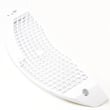
- Clean the lint screen every load; replace it if damaged (screen W10120998)
- Keep the vent path clear and as short as practical
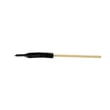
- If cycles run long, check airflow and consider a vent check tool (dryer vent tester W11224254)
Why it matters
A larger drum can reduce wrinkles and improve drying consistency because clothes have more room to tumble; it can also cut down the number of loads you run each week.
Last updated: January 2026
What is the most common problem with whirlpool dryers?
The most common issue we see on Whirlpool dryers, including model WED5100HC2, is a no-start condition (the dryer will not run at all). In many cases, the root cause is a safety or power-interruption component such as a blown thermal fuse or a failed door switch.
Quick checks first (no parts needed)
- Confirm the dryer has full power (a tripped breaker can leave the dryer with lights but no heat or no run).
- Make sure the door closes firmly and the latch engages.
- Try a different cycle and press Start for a full second.
- Clean the lint screen and check airflow; restricted venting can trigger overheating protection.
- If the dryer stopped mid-cycle, let it cool for 10 to 15 minutes and try again.
Parts that commonly cause “won’t start” on WED5100HC2
If basic checks do not help, these model-compatible parts are common suspects:
- Thermal fuse W10909685
- Inglis dryer door switch W11551763
- Whirlpool dryer thermal cut-off fuse kit 279973
What each part typically affects
| Symptom | Most likely area | Example compatible part |
|---|---|---|
| No response when pressing Start | Door not sensed closed | Door switch |
| Runs briefly then stops, or dead after overheating | Overheat protection opened | Thermal fuse / thermal cut-off |
| Repeated overheating or long dry times before failure | Airflow restriction | Venting and lint buildup |
Why it matters
A “won’t start” problem is often a protective shutdown. Fixing the underlying cause (especially poor airflow) helps prevent repeat failures and reduces the chance of overheating damage to wiring, the heater circuit, or the motor.
When to stop and get help
- You smell burning, see scorch marks, or the cord/terminal area looks damaged.
- The breaker trips repeatedly.
- You are not comfortable testing live-voltage circuits.
Last updated: January 2026