


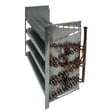

How long is the Rheem heat exchanger warranty?
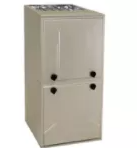
For a Rheem RRMA-A036 gas/electric package unit, the heat exchanger warranty length depends on the exact warranty terms tied to the unit’s serial number and installation details; most Rheem heat exchanger warranties are either limited lifetime or a long fixed term (commonly 10 to 20 years) for the original owner.
How to identify the correct warranty term for your RRMA-A036
We match the heat exchanger warranty to the unit’s specific registration and installation conditions. Use these checks to confirm the correct coverage:
- Confirm the model number RRMA-A036 and the serial number from the unit data plate.
- Check whether the unit was registered after installation (registration can change term length).
- Verify whether you are the original owner (coverage often changes for subsequent owners).
- Confirm the installation date (warranty is time-based from installation or purchase).
- Review any warranty paperwork provided at installation.
What “heat exchanger warranty” usually covers (and what it does not)
Heat exchanger coverage is typically focused on the heat exchanger itself, not the full heating system.
| Item | Typically included | Typically not included |
|---|---|---|
| Heat exchanger part | Yes | No |
| Labor to diagnose/replace | Sometimes (limited) | Often excluded |
| Shipping/handling | Sometimes | Often excluded |
| Related components (igniter, blower, controls) | No | Yes |
Why it matters
The heat exchanger is the core safety and performance component in the gas heat section. Knowing the exact warranty term helps you decide whether to pursue a warranty claim path or plan a repair using standard replacement parts.
If you are troubleshooting a heating issue
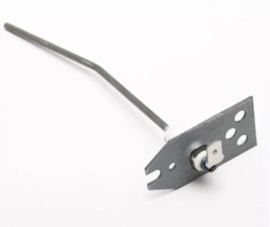
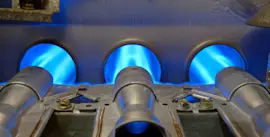
A “no heat” problem is often caused by items other than the heat exchanger. For RRMA-A036, common service parts include the flame-sensing and safety circuit components. If you are diagnosing ignition or burner shutdown issues, start with the furnace burner flame sensor and basic electrical checks.
For replacement parts for your RRMA-A036, use the parts list for this model, or search by model number on Sears PartsDirect.
Last updated: February 2026
What are the common problems with Rheem heat pumps?
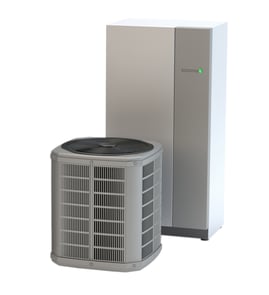
Common problems we see on Rheem heat pump style systems (including package units like Rheem RRMA-A036) are airflow restrictions, electrical start/run failures, defrost or sensor issues, and refrigerant-related performance problems. Many symptoms trace back to dirty coils/filters, loose wiring, or failing motors and capacitors.
Most common symptoms and what they usually point to
- Short cycling (starts and stops often): thermostat setup, airflow restriction, or a failing capacitor
- Weak heating or cooling: dirty coils, low airflow, or refrigerant charge issues
- Outdoor fan not running: failed fan motor or capacitor
- Unit runs but no heat in heating mode: sensor/limit issue, airflow problem, or control fault
- Loud buzzing, humming, or vibration: loose mounting, failing motor bearings, or electrical component strain
- System trips breaker or blows fuses: shorted wiring, failing motor, or capacitor problem
Quick checks we recommend before replacing parts
- Set thermostat to a steady temperature and confirm the mode (heat/cool) is correct.
- Replace or clean the air filter; confirm supply and return vents are open.
- Inspect the outdoor coil for debris; gently clean if clogged.
- Listen for the condenser fan and compressor: fan silent with compressor trying to start often indicates a capacitor or motor issue.
- If you are comfortable testing safely, use a meter to check power and components using how to use a multimeter to test electrical parts video.
Parts that commonly fail on RRMA-A036 style systems
These are frequent culprits when a unit will not start, the fan will not run, or the system struggles under load.
| Symptom | Common cause | Example part on this model page |
|---|---|---|
| Fan not spinning, compressor runs hot | Failed condenser fan motor | Motor WG840465 |
| Hums, struggles to start, then shuts off | Weak/failed start capacitor | Central Air Conditioner Start Capacitor (part number 43-17075-04) |
| Breaker trips on startup | Hard-start components failing or motor short | Start Kit (part number SK-A1-1) |
Why it matters
Heat pumps depend on correct airflow and reliable electrical starting. When a capacitor or fan motor weakens, the compressor runs hotter and longer, which increases energy use and can lead to bigger failures.
Ordering the right replacement part
We recommend matching by full model number RRMA-A036 and comparing the part number on the failed component to the parts list for this unit. If you need to search beyond the parts shown here, use Sears PartsDirect and search by model number.
Last updated: February 2026
What are the parts of a home heating unit?
A typical home heating unit (and a Rheem gas/electric package unit like model RRMA-A036) includes a burner system to create heat, safety controls to prove flame and prevent overheating, and an air-moving system to push warmed air through the ductwork. Many heating and cooling combined units also share electrical and airflow components between heat and AC.
Main parts you will commonly find
- Burner assembly: mixes fuel and air and burns it to create heat (often includes a burner and mounting/support hardware).
- Ignition system: lights the burner (hot surface igniter or spark ignition, depending on design).
- Flame sensor: confirms flame is present so gas can stay on; a common service item is a furnace burner flame sensor 62-23543-02.
- Heat exchanger: transfers heat to the air stream while keeping combustion gases separated.
- Blower and fan motors: move air across the heat exchanger and through ducts; some units also have a condenser fan motor for cooling, such as the motor WG840465.
- Limit switch and safeties: shuts the burner down if temperatures get too high; an example is the limit switch 470015.
- Controls and wiring: control board, relays, and harnesses that manage ignition timing, blower operation, and safety checks.
- Air filter: protects the blower and keeps airflow clean (a restricted filter is a top cause of overheating).
Quick “what it does” reference
| Component | What it does | Common symptom when it fails |
|---|---|---|
| Flame sensor | Proves flame | Burner lights then shuts off quickly |
| Limit switch | Prevents overheating | Heat stops, blower may keep running |
| Blower/fan motor | Moves air | Weak airflow, overheating, no cooling airflow |
| Capacitor/start kit | Helps motors start/run | Humming, hard starts, intermittent operation |
Why it matters
Knowing these parts helps you troubleshoot faster: many “no heat” calls come down to airflow (dirty filter), flame proving (flame sensor), or safety shutdowns (limit switch). Replacing the correct component for RRMA-A036 also prevents repeat failures.
Getting the right replacement part
- Match the model number RRMA-A036 first.
- Compare the old part’s markings to the parts list for this unit.
- For ordering, use the parts list for RRMA-A036 or search by model on Sears PartsDirect.
Last updated: February 2026
What is the blue wire on a Rheem heat pump?
On a Rheem heat pump, including the Rheem RRMA-A036 package unit when controlled by a standard 24-volt thermostat, the blue wire is most commonly used as the C wire (common). It completes the 24 VAC control circuit and provides steady power for many modern thermostats.
What the blue wire usually connects to
Wire colors are a convention, not a guarantee; always confirm where the conductor actually lands.
Typical thermostat terminal functions:
- R: 24 VAC power (often red)
- C: 24 VAC common/return (often blue or brown)
- Y: Compressor call
- O/B: Reversing valve
- G: Indoor blower/fan relay
- W/AUX: Auxiliary heat
- E: Emergency heat
Quick checks before moving any wires
Shut off power at the breaker/disconnect before touching low-voltage wiring.
- Confirm the blue conductor is on C at the thermostat
- Confirm the same conductor is on C at the unit terminal strip/control board
- Check for splices that may change wire colors
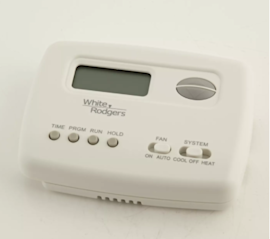
- If a Wi-Fi thermostat is acting erratic, a loose/open C connection is a common cause
Symptom-to-cause guide
| Symptom | Common low-voltage cause | What to check |
|---|---|---|
| Thermostat blank or reboots | Missing/loose C | Blue wire tight on C at both ends |
| Outdoor section will not run | No Y signal or open safety | Y circuit, safeties, wiring |
| Stuck in heat or cool | O/B not switching | O/B wiring and thermostat setup |
Why it matters
A correct, solid C-wire connection prevents thermostat power loss and control glitches that can look like bigger problems.
If you’re troubleshooting a no-start condition after confirming thermostat wiring, a failed fan motor can also stop operation; see the motor WG840465. You can order RRMA-A036 parts from the parts list for this model, or search by model number on Sears PartsDirect.
Last updated: February 2026