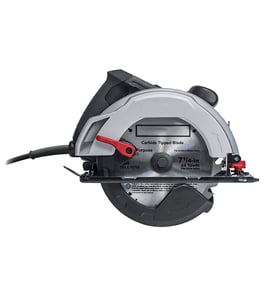

What is a 140 tooth circular saw blade used for?
A 140-tooth circular saw blade is used for ultra-smooth, low tear-out cuts in thin sheet goods and trim materials. On a Craftsman 31510860 circular saw, it is a good choice when cut quality matters more than cutting speed.
Best uses for a 140-tooth blade
A high tooth count means smaller bites per tooth, which helps reduce splintering and chipping.
- Plywood and veneered panels (clean face cuts)
- Melamine and laminated shelving (reduced edge chipping)
- Thin hardwood trim and molding (finish-quality edges)
- Masonite and hardboard panels
- Plastics such as acrylic or PVC sheet (with the right feed rate)
What to expect (performance and cut quality)
| Blade type | Typical result | Typical tradeoff |
|---|---|---|
| 140-tooth (fine finish) | Smoothest edge, least tear-out | Slower feed, more heat buildup |
| 40 to 60-tooth (general purpose) | Good edge, faster cutting | More splintering on veneers |
| 24-tooth (framing/rip) | Fast cuts in construction lumber | Rough edge, more tear-out |
Setup tips to get the cleanest cut
- Use a straightedge or guide to prevent wandering and burn marks.
- Set blade depth so only about 1/4 inch of tooth extends below the material.
- Support the workpiece fully to prevent vibration and pinching.
- Feed steadily; forcing the saw increases heat and can scorch wood or melt plastics.
- For plywood, cut with the best face down on most sidewinder saws (the top face is more prone to tear-out).
Why it matters
A 140-tooth blade is a finish blade; it improves edge quality on plywood and laminates, but it is easier to overheat if you push too fast. Matching tooth count to the material helps you cut cleaner and helps protect the saw motor.
For general repair safety practices before changing blades or inspecting wiring, follow guidance like are diy appliance repairs safe.
Last updated: February 2026
What size blade is a Craftsman 31510860 circular saw?
For the Craftsman 31510860 circular saw, the blade size is the blade diameter the saw is designed to accept. Most Craftsman circular saws in this class use a 7-1/4 inch blade, but you should confirm by checking the blade guard label or measuring your current blade.
How to confirm the correct blade size on model 31510860
Use these quick checks before buying a replacement blade:
- Look for a diameter marking stamped on the blade (common markings: 6-1/2 in., 7-1/4 in.).
- Check the blade guard or shoe for a printed blade diameter.
- Measure across the blade from tip to tip (straight through the center).
- Confirm the arbor (center hole) size; many full-size saws use 5/8 inch arbor.
- Match the blade’s maximum RPM rating to the saw’s no-load RPM.
Blade size vs. arbor size (what you are actually matching)
Blade diameter and arbor size are different; you need both to match.
| Spec | What it means | Common values on circular saws |
|---|---|---|
| Blade diameter | Cutting capacity and depth | 6-1/2 in., 7-1/4 in. |
| Arbor size | Center hole that fits the shaft | 5/8 in. (common), 1/2 in. (some compact saws) |
| Kerf | Blade thickness at the cut | Thin-kerf or standard |
Why it matters
Using the correct blade diameter helps the lower guard close properly and keeps the blade within the designed cutting depth and safety clearances. Matching the arbor size prevents wobble, poor cuts, and unsafe operation.
Helpful DIY reference
If you are troubleshooting power issues while you have the saw apart (for example, it will not start after a blade change), use how to use a multimeter to test electrical parts video to check the switch, cord, and internal connections.
Last updated: February 2026
Is a 6 1/2 or 7 1/4 circular saw better?
A 7-1/4 inch circular saw is better for all-around capability because it delivers more cutting depth and handles common framing cuts more easily. A 6-1/2 inch saw is better when you want a lighter tool for quick, repetitive cuts, especially overhead or on sheet goods.
Quick comparison
| Feature | 6-1/2 inch saw | 7-1/4 inch saw |
|---|---|---|
| Best for | Portability, lighter-duty work | Versatility, framing and remodel work |
| Typical cut depth | Shallower | Deeper |
| Common materials | Plywood, OSB, trim stock | 2x lumber, thicker stock, more angles |
| Fatigue over long use | Lower | Higher |
| Blade availability | Good | Best (most common size) |
How to choose for your job
Pick 7-1/4 inch if you regularly do any of these:
- Cut 2x lumber (studs, joists, rafters) and want fewer “almost made it” cuts
- Make bevel cuts where depth is reduced
- Use thicker blades or specialty blades more often
- Want the most common blade size for easy shopping
Pick 6-1/2 inch if you prioritize:
- A lighter saw for overhead cuts or ladder work
- Sheet goods breakdown (plywood and OSB) where depth is less critical
- Compact storage and easier one-handed positioning (when safe)
Why it matters
Blade diameter directly affects maximum depth of cut, and depth drops further on bevel cuts. That is why a 7-1/4 inch saw is the standard choice for framing and general DIY, while 6-1/2 inch models shine when weight and maneuverability matter most.
Tips that improve results on either size
- Match the blade to the material (framing blade vs. fine-finish blade)
- Set blade depth so teeth clear the material slightly; deeper is not better
- Use a straightedge guide for long rips in plywood
- If cuts burn or wander, check for a dull blade or misaligned base/shoe
For Craftsman model 31510860, use the model number when searching parts and diagrams on how to find your appliance model number (and what it means for parts).
Last updated: February 2026
Why is my Craftsman circular saw not spinning?
If your Craftsman circular saw model 31510860 powers on but the blade will not spin, the most common causes are worn motor brushes, a failed trigger switch, a damaged power cord, or a jammed blade/arbor. Start with the brush and power checks because they are the fastest to confirm.
Quick checks first (no disassembly)
- Unplug the saw; confirm the blade spins freely by hand (with gloves) and the lower blade guard moves smoothly.
- Verify the blade is installed correctly and the arbor nut is tight.
- Try a different outlet; avoid long, undersized extension cords.
- Inspect the cord for cuts, kinks, or a loose strain relief at the handle.
- Smell for burnt odor from the motor housing (often points to brushes or armature damage).
Most likely cause: worn motor brushes
Motor brushes carry power to the spinning armature. When brushes wear down, chip, or stick in their holders, the motor can stop running or run intermittently.
What you typically see with bad brushes
| Symptom | What it usually means |
|---|---|
| Saw is completely dead, no motor sound | Brushes not making contact, bad switch, or open cord |
| Runs only when you tap the housing | Brushes sticking or worn unevenly |
| Heavy sparking through vents | Worn brushes or damaged commutator |
Electrical troubleshooting (safe, basic)
Unplug the saw before any inspection.
- Check the cord and plug for damage; replace if compromised.
- If the trigger feels loose, gritty, or inconsistent, suspect the trigger switch.
- If the saw hums but will not turn, suspect a seized bearing, jammed arbor, or internal motor failure.
Why it matters
A circular saw that will not spin is often an electrical contact issue (brushes, switch, cord). Fixing the root cause prevents repeat failures and reduces the chance of overheating the motor windings.
Helpful DIY reference
For basic electrical testing steps and tool setup, use our guide: how to use a multimeter to test electrical parts video.
Last updated: February 2026
How much should I spend on a circular saw?
For a Craftsman circular saw like model 31510860, most DIY users spend $60 to $150 for a reliable corded saw, and $120 to $250 for a cordless kit (tool plus battery and charger). Spend more when you need higher power, better cut accuracy, or all-day jobsite durability.
What price range fits your use?
- Occasional DIY (2x4s, plywood, small projects): $60 to $120
- Frequent DIY and remodel work: $120 to $200
- Pro or heavy framing use: $200 to $350+
What features are worth paying for
- Blade size: 7-1/4 inch is the most common for general cutting; smaller blades trade depth for lighter weight
- Motor power (corded): higher amps generally hold speed better in thick lumber
- Battery platform (cordless): higher voltage and higher amp-hour batteries run longer under load
- Base and adjustments: a rigid shoe, easy-to-read bevel scale, and solid depth lock improve accuracy
- Dust management and visibility: a decent blower or dust port helps you track the cut line
Quick comparison: corded vs cordless
| What you care about | Corded circular saw | Cordless circular saw |
|---|---|---|
| Upfront cost | Lower | Higher (especially with batteries) |
| Power for long rip cuts | Strong and consistent | Depends heavily on battery and motor |
| Portability | Limited by cord | Best for ladders, roofs, remote cuts |
| Long sessions | No downtime | Battery swaps or charging needed |
How we recommend choosing your budget
- Start with the material: framing lumber and thick plywood push you toward mid-range or better.
- Decide corded vs cordless: cordless costs more but saves time on setup and mobility.
- Plan for consumables: set aside money for quality blades; a great blade often improves results more than a pricier saw.
- Match parts support to the exact model: confirm your model number before shopping for replacement items like brushes, switches, cords, guards, or base components.
Why it matters
A circular saw that is underpowered or hard to adjust leads to slow cuts, burning, and crooked lines. Spending into the right tier for your workload usually saves money by reducing blade wear, rework, and downtime.
Helpful tip for parts lookup: use how to find your appliance model number (and what it means for parts) to confirm you are shopping for 31510860 parts.
Last updated: February 2026
