



Can a countertop microwave be used as built-in?
Yes, a countertop microwave can sometimes be installed in a cabinet opening for a built-in look, but only when it is specifically approved for that type of installation (typically with a trim kit and required clearances). For safety and ventilation, we recommend using a true built-in unit like model JMC7000ADB when you want a built-in installation.
A countertop microwave is only a good candidate when the manufacturer allows it and provides the correct hardware.
- It is listed for built-in or cabinet installation (not just “countertop use”)
- A matching trim kit is available for that exact microwave model
- The cabinet cutout size and required air gaps are met
- The power cord and outlet location match the installation requirements
- Heat can vent correctly (no blocked intake or exhaust)
Microwaves need airflow to keep internal components cool. When a countertop unit is boxed in without the right clearances, it can overheat, trip a fuse, or damage door interlock components.
| Feature | True built-in microwave | Countertop microwave in a cabinet |
|---|---|---|
| Designed ventilation | Yes | Only if approved with trim kit |
| Mounting method | Built-in mounting system | Sits on a shelf plus trim kit |
| Common risk if done wrong | Poor cooling, nuisance shutdowns | Overheating, blown fuse, premature failures |
These checks help you narrow down common issues before replacing parts:
- Confirm the outlet has power and the breaker is not tripped
- Make sure the unit is not sharing a circuit with high-draw appliances
- Check that vents are not blocked by cabinet framing
- If the display is dead, a blown line fuse is common
- If it runs only with the door held a certain way, a door switch issue is common
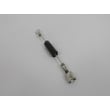
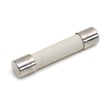
If you are troubleshooting a no-power condition on this Jenn-Air built-in microwave, the fuse WPM0805101 is one of the common electrical protection parts used on JMC7000ADB.
Choose a built-in microwave when you want a permanent installation, a finished trim appearance, and correct airflow by design. It also reduces the chance of heat-related failures compared with forcing a countertop unit into a tight cabinet opening.
Last updated: January 2026
What are the disadvantages of an inbuilt microwave?
Built-in microwaves like the Jenn-Air JMC7000ADB look clean and save counter space, but they cost more up front, are harder to install and replace, and can be more expensive to service because access is tighter inside the cabinet cutout.
- Higher total cost: the microwave plus trim kit or cabinet work often costs more than a countertop unit.
- More complex installation: you may need precise cutout sizing, dedicated power, and proper ventilation clearances.
- Harder replacement later: you are limited to models that fit the existing opening (width, height, depth).
- Ergonomics can be worse: if mounted too high or too low, lifting hot food can be awkward.
- Service access is tighter: built-in placement can add labor time for diagnosis and repair.
- Less flexibility: you cannot easily move it to another spot like a countertop microwave.
Built-in units are often removed from the cabinet for certain repairs, which can add time. If you are troubleshooting a “dead” microwave, a common starting point is checking the line fuse, but only after the unit is safely disconnected from power.
- If the microwave has no display and no response, a failed fuse WPM0805101 is one common cause.
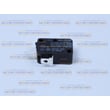
- If the unit runs only with the door held a certain way, a door switch issue (such as the primary switch WP56001036) is a common suspect.
- If the door sags or doesn’t close smoothly, hinge hardware (such as the lower hinge 56001225) can be involved.
| Factor | Built-in microwave | Countertop microwave |
|---|---|---|
| Install effort | Higher (cabinet fit, clearances) | Low (plug in) |
| Replacement flexibility | Limited by cutout size | High |
| Typical service access | Tight, may require removal | Easy access |
Most built-in microwave complaints come down to fit, access, and long-term replacement constraints. Planning the mounting height, ventilation space, and future replacement options helps avoid costly cabinet modifications later.
Last updated: January 2026
How do I find the model number on my JMC7000ADB?
The model number is printed on the microwave’s rating label; on built-in units like the JMC7000ADB, it’s most often found around the door opening (on the frame) or on the oven cavity lip. Match the full model number exactly before ordering parts.
Check these common label locations (in order):
- Door frame area when you open the microwave door
- Along the front edge of the cavity (top, side, or bottom lip)
- Behind the control panel area (visible only after removing trim on some installs)
- On the side of the unit behind the built-in trim kit (requires partial removal)
- On the back of the microwave chassis (usually not visible when installed)
Record the information exactly as shown on the label:
- Full model number (for example, JMC7000ADB)
- Serial number (helps confirm production run)
- Electrical rating (volts and amps)
- Any revision or suffix characters
| Label item | Why it matters |
|---|---|
| Model number | Ensures diagrams and parts lists match your exact unit |
| Serial number | Helps identify version changes within the same model |
| Electrical rating | Confirms correct fuse and high-voltage components |
Microwaves often have multiple versions under one model family; using the exact model number helps you get the correct door switches, fuse, and mounting hardware for safe operation and proper fit.
A missing display or no power is commonly related to the house supply, a door switch issue, or a blown fuse. If you suspect a fuse, use the model number to select the correct replacement, such as the fuse WPM0805101, and follow safe testing steps in how to tell if a fuse is blown.
Last updated: March 2026


