Installation guide
 Owner’s manual
 Error Codes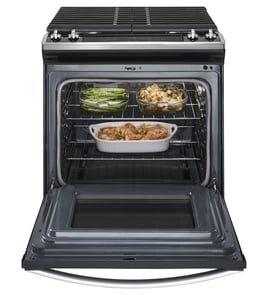




Is it worth repairing a gas range?
Yes, repairing a GE CGS750P4M2W2 slide-in gas range is usually worth it when the unit is under about 10 years old and the fix is a common, targeted repair (igniter, sensor, spark system, or fan) that costs far less than replacing the entire range; use the owner's manual to confirm symptoms and safe service steps.
Quick rule of thumb we use
- Repair when the range is generally reliable and the problem is isolated (one function fails).
- Repair when the estimate is clearly less than half the cost of a comparable replacement.
- Replace when multiple major systems are failing (oven heat, ignition, controls, gas valves) in a short period.
- Replace when the cooktop or oven cavity has structural damage, heavy corrosion, or repeated gas-related issues.
- Repair first when the issue matches common wear parts (igniters, sensors, spark module).
Common “worth repairing” failures on this model
These are typical, fixable problems that often restore normal operation:
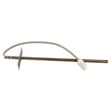
- Oven will not heat or takes too long to preheat: often points to an igniter such as the range bake igniter WB28X28781.
- Oven temperature is inaccurate: often points to the range oven temperature sensor WB24X25557.
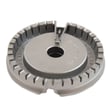
- Burners click but do not light: can be cleaning/assembly, power supply, or ignition components (see troubleshooting in the manual).
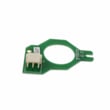
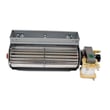
- Cooling fan runs constantly or errors related to cooling: can involve the range cooling fan sensor board WB27X28659 or the range oven cooling fan assembly WB26X32571.
Repair vs replace: a simple comparison
| Situation | Usually best choice | Why |
|---|---|---|
| One symptom, one part likely (igniter, sensor, burner cap) | Repair | Lower cost, fast turnaround |
| Repeated breakdowns across different systems | Replace | Costs add up quickly |
| Control panel failure plus heating/ignition issues | Replace (often) | Multiple high-cost parts |
| Safety-related gas concerns or conversion needs | Pro service evaluation | Correct setup matters for safe operation |
Why it matters
A gas range repair can be a strong value because many failures are part-level and restore performance quickly. Safety matters too: the manual notes that adjustments and service should be performed by a qualified technician, and you should disconnect power before servicing. Review the safety and troubleshooting sections in the owner's manual before deciding.
Last updated: February 2026
What is the life expectancy of a GE gas range?
A GE gas range like model CGS750P4M2W2 typically lasts 13 to 15 years with normal household use and basic care; 10 to 18 years is a common overall range. Keeping burners clean, addressing ignition problems early, and avoiding overheating electronics helps the range reach its full service life (or longer).
Typical lifespan and what affects it
Most slide-in gas ranges wear based on heat exposure, cleaning habits, and how often the oven and surface burners run.
- Heavy daily cooking shortens life compared to occasional use
- Spills and boil-overs can clog burner ports and stress igniters
- Self-clean cycles add high heat that can age sensors, wiring, and control parts faster
- Ventilation and cooling matter; blocked airflow can overheat the control area
- Prompt repairs (igniter, sensor, fan) prevent secondary damage
Parts that commonly determine “end of life”
Many ranges are replaced because one or two key components fail repeatedly or become too costly compared to the range’s age.
| Component area | Common symptom | Example part for CGS750P4M2W2 |
|---|---|---|
| Oven ignition | Oven will not heat or heats slowly | Range bake igniter WB28X28781 |
| Temperature sensing | Oven temperature swings, underbakes, overbakes | Range oven temperature sensor WB24X25557 |
| Cooling/airflow | Fan runs constantly, error codes, hot control panel | Range oven cooling fan assembly WB26X32571 |
| Surface ignition | Clicking, weak spark, burners hard to light | Range spark module WB13X24741 |
Why it matters
Knowing the expected lifespan helps us decide whether to repair or replace. If your CGS750P4M2W2 is under about 10 years, repairs like an igniter or temperature sensor replacement usually make sense. Past 15 years, repeated control or ignition issues often signal the range is nearing the end of its typical service window.
Quick care tips to extend life
- Clean burner caps and ports regularly; keep them dry before lighting
- Wipe up acidic spills quickly to protect finishes and burner bases
- Use self-clean only when needed; remove racks if your manual recommends it
- Keep the oven vent area clear so heat can escape properly
- If the oven is slow to ignite, fix it early to reduce stress on the gas valve and controls
For model-specific operating and cleaning guidance, follow the owner's manual.
Last updated: February 2026
What material is CGS750P4M2W2 made of?
The GE CGS750P4M2W2 slide-in gas range uses multiple materials, not a single one: you will typically see a porcelain-coated oven cavity, metal chassis panels, and stainless steel used in select trim or protective surfaces. For the most accurate finish and care details for your exact configuration, use the owner's manual.
What you can expect on this GE slide-in gas range
Most ranges in this series are built as a mix of heat-safe metals and coated surfaces designed for cooking temperatures and cleaning.
- Oven interior: porcelain-enamel coated steel (common for self-cleaning ovens)
- Cooktop and burner area: metal cooktop with removable burner parts (caps, bases, grates)
- Control and trim areas: painted or stainless-look metal depending on finish package
- Door construction: layered assembly (outer panel, glass, inner liner)
Materials called out in the installation requirements
The installation guide specifies acceptable protective materials for nearby cabinet surfaces, which also helps confirm the types of metals commonly used around the cooking area.
| Location or use | Material examples mentioned | Why it matters |
|---|---|---|
| Cabinet protection near burners | Sheet metal, stainless steel, aluminum, copper | Helps prevent heat damage to adjacent surfaces |
| Clearances above cooktop | Wood or metal cabinet (with required spacing/protection) | Reduces fire and heat risk |
See the installation guide for the exact clearance and protection requirements.
Why it matters
Knowing the material mix helps you choose the right cleaner and avoid damage. For example, stainless steel surfaces scratch if cleaned with abrasives, and porcelain enamel can chip if struck.
Care tips by surface (quick checklist)
- Use non-abrasive cleaners on stainless or stainless-look trim.
- Avoid harsh scouring pads on porcelain enamel.
- Keep burner caps seated correctly to prevent uneven flames.
- Let surfaces cool before wiping to reduce streaking and thermal shock.
Last updated: February 2026