




How to find range hood model number?
On the Kenmore range hood model 23352052000, the model number is printed on a rating label attached to the hood. Most often, you will find it on the top of the hood, on the underside near the front edge, or behind the grease filter.
Where to look on a Kenmore range hood
Check these common label locations (in order):
- Behind the grease filter: remove the filter and look on the inner frame or side wall (use the filter S99010316 access area as your first check).
- Underside of the hood: look along the front lip or near the light panel.
- Top of the hood: you may need a flashlight and a mirror if it is installed under a cabinet.
- Inside the wiring compartment cover (less common): only check this if the power is off.
Quick steps to find it fast
- Turn the hood lights on so you can see inside, then turn power off at the breaker before reaching into tight areas.
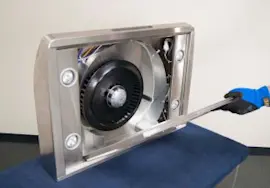
- Remove the grease filter (most drop out by releasing spring clips).
- Look for a sticker or metal plate that lists MODEL and sometimes SERIAL.
- Write the model number exactly as shown; for Kenmore, it is often an 11-digit number like 23352052000.
What the label usually includes
| Label item | What it’s used for | Example |
|---|---|---|
| Model number | Matching parts and diagrams | 23352052000 |
| Serial number | Production run identification | Varies |
| Electrical rating | Verifying power requirements | Volts/amps |
Why it matters
Using the exact model number ensures you get the correct range hood parts (filters, light lens, switches, dampers) and avoids ordering a look-alike part that will not fit or connect correctly.
Last updated: February 2026
What is the life expectancy of a range hood?
A Kenmore range hood like model 23352052000 typically lasts 10 to 20 years; about 15 years is a solid average for normal home cooking. Lifespan depends most on how often you cook, how well airflow is maintained, and whether filters and the blower area are kept clean.
What shortens (or extends) range hood life
- Grease buildup on the blower wheel and inside the housing
- Running the fan on high for long periods without cleaning
- Clogged grease filters or saturated charcoal filters (recirculating setups)
- Heat and steam exposure from frequent high-heat cooking
- Loose wiring or worn switches from heavy daily use
Maintenance that helps you reach the high end of the range
Keeping airflow strong reduces strain on the motor and controls.
- Clean the grease filter regularly (many households do this monthly)
- Replace charcoal filters on a schedule if you recirculate air
- Wipe grease from the underside of the hood and fan intake area
- Use the fan while cooking and for a few minutes after to clear moisture
- Address rattles early; vibration can loosen fasteners and damage parts
Common wear items (and what they affect)
| Part area | What you notice | Example part for 23352052000 |
|---|---|---|
| Grease filtration | Poor airflow, more smoke/odor | Filter S99010316 |
| Odor filtration (recirculating) | Odors linger even with fan on | Range hood charcoal filter S99010308 |
| Fan switching | Fan won’t start, intermittent fan | Fan lid switch SR99030319 |
| Lighting components | Lights flicker or won’t turn on | Range hood light socket SR111630 |
Why it matters
A range hood can seem “fine” even when airflow is restricted, but a clogged filter or sticky blower makes the motor work harder. That extra load is one of the biggest reasons range hood motors and controls fail earlier than expected.
For symptom-based troubleshooting, we recommend starting with range hood fan doesn't work if the blower is dead or intermittent.
Last updated: February 2026
Can range hoods be repaired?
Yes. We repair most range hood problems on Kenmore model 23352052000 by troubleshooting the power and controls first, then cleaning or replacing common wear parts like filters, switches, and light components. Many “dead,” noisy, or weak-airflow hoods are fixed without replacing the entire unit.
What we repair most often
- Weak airflow or smoke not clearing: clogged grease filter, saturated charcoal filter (recirculating setups), stuck damper
- Fan will not run: failed switch, lid switch, wiring issue, or motor problem
- Lights not working: bad bulb, loose socket, failed light switch, cracked lens
- Noisy operation: dirty blower wheel, loose mounting, damper flutter, worn motor
- Buttons not responding: worn keypad or control panel
Quick checks before buying parts
- Turn off power at the breaker.
- Remove and clean the grease filter; heavy grease buildup can choke airflow.
- If your hood recirculates, replace the charcoal filter on schedule.
- Check the damper for sticking, grease buildup, or a flap that will not open.
- If the fan or lights are intermittent, suspect a switch or keypad.
Common repair parts for model 23352052000
| Symptom | Likely part to check | Example part for this model |
|---|---|---|
| Poor airflow | Grease filter | Filter S99010316 |
| Odors linger (recirculating) | Charcoal filter | Charcoal filter S99010317 |
| Fan will not start | Fan switch / lid switch | Fan lid switch SR99030319 |
| Vent flap rattles or sticks | Damper | Range hood vent damper SR740013 |
| Lights flicker or fail | Light socket / switch | Range hood light socket SR111630 |
Why it matters
A repair usually restores safe, effective ventilation and keeps grease and moisture from building up on cabinets and walls. Keeping filters and the damper in good shape also reduces noise and helps the fan motor last longer.
For step-by-step troubleshooting by symptom, use our DIY guide: range hood doesn't work at all.
Last updated: February 2026
Why is the fan not working on my Kenmore range hood?
On Kenmore range hood model 23352052000, the fan usually stops working because the fan control (switch or touch pad) is failing, the fan motor is not running, or a safety interlock like the lid switch is not closing. Start with power and control checks, then test the motor circuit.
Quick checks we recommend first
- Confirm the hood has power (other functions like lights respond).
- Turn the fan on at every speed; note if any speed works.
- If the fan hums but will not spin, the motor or blower wheel is typically the issue.
- If the fan is completely dead but lights work, the fan control is typically the issue.
- If airflow is weak (but the fan runs), check for a clogged grease filter or blocked damper.
Most common causes (and what to do)
- Failed fan switch or touch pad: If button presses do nothing or are intermittent, the control is the first suspect. For keypad-style controls, the touch pad is a common failure point.
- Bad lid switch / interlock: Some hoods use a switch that must close for the fan to run. If it is stuck or broken, the fan will not start. Consider the fan lid switch SR99030319.
- Fan motor problem: If the motor is seized, overheated, or has an open winding, it will not run even with correct voltage.
- Vent damper stuck closed: A jammed damper can make the fan sound strained and reduce airflow. Inspect the range hood vent damper SR740013.
Symptom-to-cause guide
| What you notice | Most likely cause | Best next step |
|---|---|---|
| Lights work, fan does nothing | Fan switch or touch pad | Inspect control panel connections; replace control if unresponsive |
| Fan hums, blades do not turn | Motor or blower wheel binding | Check for grease buildup and free movement; replace motor if seized |
| Fan runs but weak suction | Grease filter clogged, damper blocked, duct restriction | Clean/replace filter; check damper and duct |
| Fan works sometimes | Touch pad or switch contacts failing | Replace the control input component |
Why it matters
A non-working range hood fan lets heat, smoke, and grease stay in the kitchen. Fixing the control or motor early also helps prevent excess grease buildup that can strain the blower and reduce ventilation.
Helpful DIY troubleshooting
Use our step-by-step symptom guide: range hood fan doesn't work.
Last updated: February 2026
What are the parts of a range hood called?
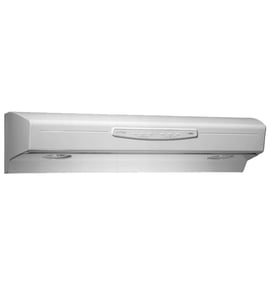
A Kenmore range hood like model 23352052000 is typically made up of the hood body (canopy), a blower and venting path, controls, lighting, and one or more filters that capture grease and odors. The exact layout varies by vented vs. recirculating setups.
Common range hood parts (and what they do)
- Hood canopy (housing): the main metal body that captures smoke and steam
- Grease filter: traps grease before it reaches the blower and ductwork (example: filter S99010316)
- Charcoal filter (recirculating models): reduces odors when air is returned to the kitchen (example: range hood charcoal filter S99010308)
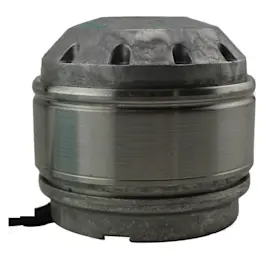
- Blower/fan motor: moves air through the hood (motor assemblies are common service items)
- Damper/transition: helps direct airflow and prevents backdrafts (example: range hood vent damper SR740013)
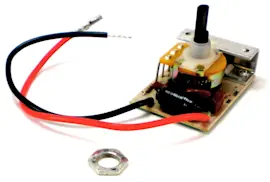
- Control panel and switches: turn the fan and lights on/off and select speeds (example: fan lid switch SR99030319)
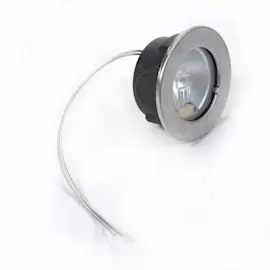
- Lighting system: lens, socket, and switch that illuminate the cooktop
Quick reference: part names you will see most often
| What you call it | What it may be listed as | What it affects |
|---|---|---|
| Grease screen | Filter, grease filter | Grease capture, airflow |
| Odor filter | Charcoal filter | Smell reduction (recirculating) |
| Flapper | Damper | Drafts, rattling, airflow |
| Buttons | Touch pad, control panel | Fan speeds, light control |
| Light cover | Light lens | Light output, glare |
Why it matters
Knowing the correct part name helps you match symptoms to the right replacement. For example, weak airflow often points to a clogged grease filter or a stuck damper, while a fan that will not start can point to a switch or motor issue.
Helpful DIY troubleshooting topics
Last updated: February 2026
How to clean Kenmore kitchen hood vent?
To clean a Kenmore kitchen hood vent on model 23352052000, we turn off power, remove the grease filter, degrease it in hot soapy water, then wipe the hood interior and fan intake area. Reinstall only after everything is fully dry so airflow stays strong and odors do not linger.
Safe cleaning steps (what we do)
- Turn off power at the breaker (or unplug the hood if accessible).
- Remove the grease filter and soak it 15 to 30 minutes in hot water plus dish soap.
- Scrub the filter gently with a soft brush; rinse and air-dry completely.
- Wipe the underside, vent opening, and surrounding metal with a degreaser or warm soapy water.
- Clean the light lens with mild soap and water; dry before restoring power.
- If you use recirculating mode, replace the charcoal filter on schedule.
Which parts you may remove or replace
| What you are cleaning | Typical maintenance | Part to check for this model |
|---|---|---|
| Grease filter | Clean monthly (more often with heavy frying) | Filter S99010316 |
| Charcoal filter (recirculating setups) | Replace about every 3 to 6 months | Charcoal filter S99010317 |
| Light cover/lens | Wipe as needed when cool | Broan range hood light lens SNTK7504000 |
Tips that prevent damage
- Avoid abrasive pads; they scratch stainless and painted finishes.
- Do not spray cleaner directly into switches or the control panel; spray onto a cloth first.
- Keep water out of the motor area; wipe, do not soak, the fan housing.
- If the damper is sticky, wipe it clean and make sure it swings freely.
Why it matters
A clean filter and vent path helps the 23352052000 range hood move air efficiently, reduces grease buildup on cabinets, and lowers the chance of fan noise caused by heavy residue.
Last updated: February 2026
How to remove range hood fan blade?
To remove the fan blade on your Kenmore range hood model 23352052000, shut off power at the breaker, remove the grease filter, then remove the fastener that holds the blade to the motor shaft and slide the blade straight off. Reinstall in the same orientation and tighten the fastener securely.
Safety and prep
- Turn off the circuit breaker to the range hood.
- Let the hood and light bulbs cool completely.
- Wear cut-resistant gloves; sheet metal edges are sharp.
- Protect the cooktop with a towel to catch dropped hardware.
- Take a photo before disassembly so the blade orientation is easy to match.
Step-by-step (works for the common fastener styles)
- Remove the grease filter to open up the underside of the hood. If your filter is bent, clogged, or won’t latch, replace it with the filter S99010316.
- Expose the blower area by removing the minimum parts needed to see the fan blade and motor. On many Kenmore hoods this is done from the underside after the filter is out.
- Identify how the blade is secured. You will see one of these:
- A small set screw in the blade hub
- A retaining clip on the end of the motor shaft
- A nut on the shaft
- Remove the fastener using the matching tool (Allen key for a set screw, pliers or small screwdriver for a clip, nut driver for a nut).
- Slide the blade off the shaft. If grease has glued it in place, clean the hub area and gently wiggle while pulling straight out.
If the blade is stuck or the hood is noisy
| Symptom | Most common cause | What we do |
|---|---|---|
| Blade won’t slide off | Grease buildup on hub/shaft | Degrease, wiggle and pull straight |
| Rattling or vibration | Blade not seated or fastener loose | Reseat blade, tighten fastener |
| Poor airflow | Dirty filter or damper not opening | Clean/replace filter, check damper |
Why it matters
A correctly installed fan blade keeps airflow strong and reduces vibration, which helps your Kenmore 23352052000 vent smoke and grease effectively.
Last updated: February 2026