
How to change line on McCulloch trimmer?
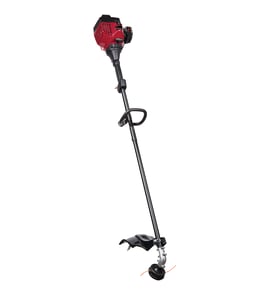
To change the cutting line on your Mcculloch MAC trimmer, remove the trimmer head cover, wind new line onto the spool in the correct direction, then feed both line ends through the eyelets and reassemble the head. Trim the ends to your preferred length.
Before you start (safety and setup)
- Shut the engine off and let the muffler cool completely.
- Disconnect the spark plug wire to prevent accidental starting.
- Work on a flat surface so the spring and spool parts do not roll away.
- Use the correct line diameter for your trimmer head (most gas trimmers use about 0.080 to 0.095 inch line).
Steps to replace the trimmer line
- Open the head: Press the tabs or remove the cap/cover (style varies by head).
- Remove the spool: Lift the spool out and note how it sits (spring position and line routing).
- Cut new line: Most heads take two equal lengths of line (commonly 10 to 20 feet each), or a single long piece folded in half.
- Wind the spool: Wind the line tightly and evenly in the direction of the arrow on the spool.
- Lock the ends: Use the spool notches to hold the line temporarily.
- Thread the eyelets: Feed each line end through the eyelets in the head housing.
- Reassemble: Seat the spool, reinstall the spring (if used), and snap/screw the cover back on.
- Set line length: Pull both ends to release them from the notches; cut to the desired length if needed.
Quick checks if the line will not feed
- Line is wound the wrong direction.
- Line is crossed, loose, or overfilled on the spool.
- Eyelets are packed with debris or worn.
- Spool spring is missing, stuck, or installed upside down.
Typical line setup (what to expect)
| Item | Common range for gas trimmer heads | What it affects |
|---|---|---|
| Line diameter | 0.080 to 0.095 in | Cutting power and feed reliability |
| Line length per side | 10 to 20 ft | How long it runs before rewinding |
| Winding style | Tight, even layers | Prevents jams and breakage |
Why it matters
Correctly wound line feeds smoothly, reduces vibration, and prevents the head from jamming or wearing out early. It also helps your Mcculloch trimmer cut cleanly without constantly stopping to reset the line.
For help confirming you have the right model number before ordering parts, use how to find your appliance model number (and what it means for parts).
Last updated: February 2026
Which is better, .080 or .095 trimmer line?
For a Mcculloch trimmer like model MAC, .095-inch line is better for thicker weeds and longer runtime between breaks, while .080-inch line is better for lighter trimming and easier feeding. The “better” choice is the thickest line your trimmer head is designed to handle.
Quick pick guide
- Choose .080 for light grass, edging, and small yards
- Choose .095 for heavy grass, weeds, and fence-line work
- If your head struggles to feed, step down in diameter
- If line keeps snapping, step up in diameter (if supported)
- Match the line shape to the job (round for general use, twisted for quieter cutting)
.080 vs .095: what changes
| Feature | .080-inch line | .095-inch line |
|---|---|---|
| Best for | Light trimming and edging | Heavy trimming and weeds |
| Durability | Good | Better |
| Cutting load on engine | Lower | Higher |
| Ease of feeding | Usually easier | Can be harder in small heads |
| Fuel use | Typically lower | Typically higher under load |
How to choose for a gas line trimmer
- Check the trimmer head capacity: many gas trimmers accept .095, but some heads are limited to .080.
- Consider engine power: thicker line loads the engine more; if the trimmer bogs down, use .080.
- Look at your cutting conditions: dense weeds and tough stems favor .095.
Why it matters
Using the right diameter helps your Mcculloch trimmer cut cleanly without constant line breaks or poor feeding. Oversized line can jam the head or strain the engine; undersized line wears fast and snaps more.
For help confirming the exact model number on the tag before ordering supplies, use how to find your appliance model number (and what it means for parts).
Last updated: February 2026
What is the average lifespan of MAC?
A Mcculloch gas line trimmer like model MAC typically lasts 8 to 12 years with normal homeowner use and routine maintenance (fresh fuel, clean air filtration, and correct cutting line). Heavy use, poor fuel storage, and overheating shorten that lifespan.
What affects lifespan the most
- Fuel quality and storage: Use fresh, properly mixed 2-cycle fuel; drain or stabilize fuel before long storage.
- Airflow and cooling: A clogged air filter or debris-packed cooling fins makes the engine run hot.
- Cutting head load: Oversized line, wrong spool setup, or constant full-throttle bogging strains the clutch and crank.
- Ignition and starting habits: A worn spark plug or incorrect choke use increases hard-start wear.
- Vibration and fasteners: Loose screws and mounts accelerate wear on handles, shaft components, and engine mounts.
Typical lifespan by use pattern
| Use pattern | Typical lifespan | What to do to hit the high end |
|---|---|---|
| Light (small yard, seasonal) | 10 to 12 years | Stabilize fuel, clean after each use |
| Moderate (weekly trimming) | 8 to 10 years | Replace air filter and plug on schedule |
| Heavy (long run times) | 5 to 8 years | Keep cooling system clean, avoid overheating |
Maintenance checklist that extends life
- Replace the spark plug yearly or when fouled.
- Clean or replace the air filter regularly (more often in dusty conditions).
- Keep the cutting head clear; use the correct line diameter for your trimmer.
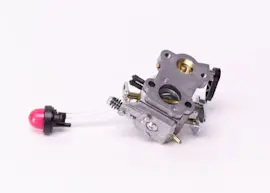
- Inspect the fuel lines and primer bulb for cracking; replace at the first sign of leaks.
- Clean debris from the engine cooling areas to prevent overheating.
Why it matters
Most “end of life” trimmer problems are actually fuel-system or airflow issues (varnished carburetor, cracked fuel line, clogged filter). Staying ahead of those items keeps your Mcculloch trimmer starting easily and running at full power longer.
For help confirming the correct model identification before ordering maintenance parts, use [how to find your appliance model number (and what it means for parts)].
Last updated: March 2026