Owner’s manual


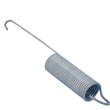
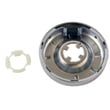
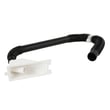
How to identify a Kenmore washer model?
For Kenmore washer model 11022972101, the model number is printed on the washer’s Model and Serial Number Plate; we use that exact number to match the correct parts and the right manual for your machine.
Most Kenmore washers place the Model and Serial Number Plate in one of these common spots:
- Under the lid near the tub opening (top-load washers)
- Around the lid frame or along the top rim
- On the back panel near the power cord entry
- Behind the control panel area (varies by design)
- Inside the cabinet on a metal plate (less common)
If you have the paperwork, the manual also calls out that you’ll need the complete model and serial numbers when requesting information; see the 11022972101 owner's manual.
Kenmore washer model numbers are often numeric and commonly start with 110. Use the full model number exactly as shown on the plate (including all digits) so we can match the correct Kenmore washer parts like a lid switch, drain pump, or motor coupling.
| What you find | What it’s used for | Why it matters |
|---|---|---|
| Model number (example: 11022972101) | Identifies the exact washer design | Ensures diagrams and parts lists match your washer |
| Serial number | Identifies production run/date | Helps confirm version changes and compatible parts |
- Copy the model number directly from the plate, do not guess from the console styling
- Include every digit; one missing number can change the parts list
- If the plate is worn, take a clear photo and zoom in to read it
- Match the part by function and symptom (drain, spin, agitate) after confirming the model
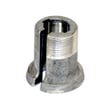
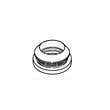
- Use model-based parts when replacing common wear items like the agitator dog 80040
Kenmore washers can look similar across years, but internal components (timer, gear case, drive system, hoses) can differ. Using the exact model number keeps your repair accurate and prevents returns.
Last updated: February 2026
Is it worth repairing a Kenmore washing machine?
Yes, it’s usually worth repairing a Kenmore washer like model 11022972101 when the fix restores reliable washing and spinning for far less than replacing the machine. This model is built for years of dependable operation, and many common failures are straightforward part replacements.
Use these practical checkpoints before you spend money:
- Compare cost: If the total repair (parts + labor) is under about 50% of a comparable new washer, repair is the better value.
- Match the symptom to a common fix: No spin, no drain, or weak agitation often points to a single wearable part.
- Check for leaks or tub damage: Major tub or basket issues can push costs higher.
- Consider downtime: If you need a fast fix, in-stock parts can get you running quickly.
- Factor in condition: If the cabinet, controls, and wiring are in good shape, repairs tend to last.
These are frequent, cost-effective fixes on many Kenmore direct-drive top-load washers:
| Symptom | Likely area | Example part for this model |
|---|---|---|
| Agitator moves poorly or “ratchets” | Agitator dogs/agitator | Agitator dog 80040 |
| Washer won’t spin or makes grinding noise | Drive system | Washer motor coupling 285753A |
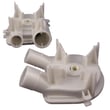
| Won’t drain or drains slowly | Drain pump/hoses | Washer drain pump WP3363394 |
| Won’t start or stops when lid opens | Lid safety circuit | Washer lid switch WP8054980 |
Replacement usually makes more sense when:
- The gear case is failing and you also have other major wear (basket, clutch, brake)
- You have repeated leaks from multiple seals and hoses
- The washer has severe rust, a damaged basket, or persistent out-of-balance problems
A targeted repair keeps your Kenmore 11022972101 washing performance (fill, agitate, drain, spin) consistent and avoids paying for features you may not need. The best plan is to confirm the failure with the troubleshooting steps and cycle descriptions in the 11022972101 owner's manual.
Last updated: February 2026
What is the average lifespan of a Kenmore washer?
A Kenmore washer typically lasts 10 to 15 years with normal household use. For Kenmore model 11022972101, routine care (proper loading, correct detergent, and periodic cleaning) helps you reach the high end of that range; neglected maintenance shortens it.
Most top-load, direct-drive style washers like the Kenmore 11022972101 land in this range, and the biggest difference is how hard the machine is worked and how well it is maintained.
- Overloading and chronic off-balance loads increase wear on the drive system and suspension
- Frequent heavy loads speed up clutch, gearcase, and motor coupling wear
- Small leaks can damage bearings and the gearcase over time
- Poor draining strains the drain pump and can leave water in the tub
- Skipping cleaning and inspection lets minor issues become major repairs
If your washer still fills and drains but agitation or spinning is weak, these parts are often involved:
- Agitator dog 80040: helps the agitator “grab” and move clothes during agitation
- Washer motor coupling 285753A: connects the motor to the drive system; a common wear item
- Washer drain pump WP3363394: moves water out during drain and spin
- Gear case 3360629: drives agitation and spin; wear can cause noise or poor performance
Use this as a practical way to decide what makes sense as the washer ages.
| What you’re seeing | Most likely direction | Why |
|---|---|---|
| Won’t agitate but drains/spins | Repair | Often a coupling or agitator wear item |
| Won’t drain or drains slowly | Repair | Pump or hose restriction is usually fixable |
| Loud grinding, oil leak, repeated failures | Replace or major repair | Gearcase/bearing issues can be costly |
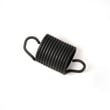
| Frequent out-of-balance, banging | Repair first | Suspension springs or load habits are common causes |
Knowing the expected 10 to 15 year lifespan helps us plan maintenance and avoid surprise breakdowns. Catching early symptoms (noise, slow drain, weak agitation) can prevent secondary damage and extend the service life.
For model-specific operating and care steps, follow the 11022972101 owner's manual.
Last updated: February 2026
What does F33 mean on a washer?
On Kenmore washer model 11022972101, an F33 code points to a drain system communication problem, most commonly a wiring connection issue between the drain pump circuit and the main control. Start by checking the pump wiring and the drain path before replacing parts; see the 11022972101 owner's manual.
- Unplug the washer for 1 minute, then restore power and retry a Drain/Spin.
- Confirm the lid is fully closed (many top-load Kenmore designs will not complete drain/spin with an open lid).
- Check the standpipe or laundry tub for a slow household drain (a backup can look like a washer drain fault).
- Inspect the drain hose for kinks, crushing, or an airtight seal in the standpipe.
- Look for water under the washer that could indicate a loose hose connection.
| What’s wrong | Common symptom | What to do next |
|---|---|---|
| Loose or damaged pump wiring | Intermittent drain, code appears mid-cycle | Inspect harness connections at the pump and control area |
| Drain pump problem | Hums, drains slowly, or won’t drain | Check for blockage; consider replacing the pump |
| Clog in hose or pump inlet | Washer won’t drain, may leave water in tub | Clear obstruction and retest |
If the drain path is clear and wiring looks good, the drain pump is the most common repair item.
- Washer drain pump WP3363394
- Washer inner drain hose WPW10358149 (if the hose is split, restricted, or collapsing)
When the washer cannot drain correctly, it can stop mid-cycle, leave water in the tub, and prevent a proper spin. Fixing the drain path and pump circuit early also helps prevent leaks and nuisance shutdowns.
Last updated: February 2026