Owner’s manual
 Error Codes







Why is my oven giving off a gas smell?
If your KitchenAid gas range model KSGG700ESS1 smells like gas, treat it as a potential gas leak first. Turn the oven and all burner knobs fully OFF, avoid switches or flames, and follow the safety steps in the owner's manual.
- Do not try to light any appliance.
- Do not touch electrical switches.
- Do not use a phone inside the building.
- Call your gas supplier from a neighbor’s phone and follow their instructions.
- If you cannot reach your gas supplier, call the fire department.
A brief gas odor can happen during ignition, but a persistent smell usually points to a burner or gas control issue.
- A surface burner knob is slightly on (gas flowing without ignition)
- Weak or delayed oven ignition (gas builds before lighting)
- Burner flames are yellow or noisy (often tied to an improper gas conversion or air/fuel mix)
- A component in the ignition system is failing
If the oven takes a long time to light, igniter problems are common on gas ranges.
| Symptom | What you may notice | Part to check |
|---|---|---|
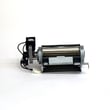
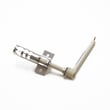
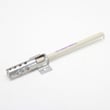
| Delayed bake ignition | Gas smell before flame lights | Range oven igniter WPW10324262 |
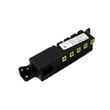
| Delayed burner ignition | Clicking or slow lighting | Spark module (red) WPW10475149 |
Unburned gas can accumulate if ignition is delayed or if a valve is leaking. Addressing the cause quickly helps protect your home and also restores normal baking performance.
Last updated: February 2026
Does KitchenAid make gas ranges?
Yes. KitchenAid makes gas ranges, and your KitchenAid KSGG700ESS1 is a gas range model with features and operating instructions covered in the KSGG700ESS1 owner's manual.
When you own a KitchenAid gas range like KSGG700ESS1, you can shop and troubleshoot by model number so you get the correct fit and electrical or gas-compatible components.
Common model-matched items include:
- Oven ignition parts (bake and broil ignition)
- Surface burner components (caps, bases)
- Electronic controls (keypad, control board, display)
- Lighting and hardware (bulbs, screws, leveling legs)
Here are a few examples of parts we list for this KitchenAid gas range model:
| What it affects | Example part name | Part ID |
|---|---|---|
| Oven heat ignition | Range oven igniter | WPW10324262 |
| Cooktop ignition | Spark module (red) | WPW10475149 |
| Oven light | Light bulb | 8009 |
If your oven is not heating or takes a long time to ignite, the range oven igniter WPW10324262 is one of the first components we check on gas ranges.
KitchenAid makes multiple gas range designs, and parts can vary by series and revision. Using the exact model number KSGG700ESS1 helps ensure the right burner ignition, control, and cooktop parts for safe, reliable operation.
Last updated: February 2026
What is the life expectancy of a KitchenAid gas range?
A KitchenAid gas range like model KSGG700ESS1 typically lasts 10 to 15 years with normal household use. Consistent cleaning, correct burner flame, and fixing ignition or control issues early are the biggest factors in reaching the high end of that range; see the KSGG700ESS1 owner's manual for care and operating guidance.
Most gas ranges last longer when the gas ignition system and oven heating system stay in good shape.
- Heavy daily cooking shortens lifespan compared to light use
- Spills and boilovers that get into burner bases and igniters cause early failures
- Poor airflow around the range can stress electronics and cooling components
- Slamming the oven door can damage hinges, door alignment, and seals
- Delaying repairs (weak ignition, uneven flames) often leads to bigger part failures
These habits help a KSGG700ESS1 run reliably year after year.
- Keep burner ports clear; remove caps and clean debris after messy cooking
- Wipe up acidic spills quickly to protect stainless and enamel surfaces
- Confirm flames are mostly blue and steady (yellow, lifting, or noisy flames need attention)
- Avoid using excessive water around igniters and switches
- Replace consumables promptly, such as an oven light; use the correct light bulb 8009
| Symptom | Most common area to check | Example part that may be involved (if applicable) |
|---|---|---|
| Oven won’t heat or heats slowly | Oven ignition system | Range oven igniter WPW10324262 |
| Clicking but burner won’t light | Spark/ignition circuit | Spark module (red) WPW10475149 |
| Display or keypad issues | Console controls | Keypad or control board (model-specific) |
Knowing the typical 10 to 15 year lifespan helps you decide when a repair is worth it. If your range is within that window, replacing a targeted part (igniter, spark module, light bulb) often restores reliable cooking without replacing the entire appliance.
Last updated: February 2026
Where is the model number on a KitchenAid gas range?
On the KitchenAid gas range model KSGG700ESS1, the model number is printed on the rating label located on the oven frame behind the top right side of the oven door. Open the oven door and look along the frame near the upper-right area.
- Turn the oven light on so the frame is easier to see.
- Open the oven door fully and look at the front frame (not the door itself).
- Check the upper-right section of the oven frame first.
- Wipe the label gently with a damp cloth if grease or dust is hiding the print.
- Write down both the model number and serial number for parts lookup and service.
The label typically lists both identifiers together:
| Label item | What it’s used for |
|---|---|
| Model number | Matching the correct parts diagrams and replacement parts |
| Serial number | Identifying the production series for service and support |
We use the model number to ensure parts like an oven igniter, control board, or burner components match your exact KitchenAid configuration. Even small model variations can change which parts fit.
For the exact wording and a diagram-style reference, check the KSGG700ESS1 owner’s manual.
Last updated: February 2026
What are signs of a faulty gas stove part?
On the KitchenAid KSGG700ESS1 gas range, the clearest signs of a faulty part are uneven or yellow burner flames, burners that will not light reliably, or any gas odor. If you smell gas, follow the safety steps in the KSGG700ESS1 owner's manual immediately.
- Yellow, uneven, or noisy flames: burner ports clogged, burner cap misaligned, or gas conversion/regulator issue
- Burner clicks constantly after ignition: ignition switch/spark system issue, moisture or debris around the burner
- Burner will not ignite or takes too long: weak igniter, dirty burner base/ports, or gas supply/shutoff issue
- Oven not heating consistently: failing igniter or burner ignition problem
- Nothing operates (dead display or no response): power supply issue (outlet, breaker/fuse) or control problem
- Gas smell: possible leak or incomplete combustion; treat as urgent
- If you smell gas: do not light the range or touch switches; contact your gas supplier from a neighbor’s phone (per the manual).
- Confirm the main gas shutoff valve is fully on.
- Verify the range is plugged into a grounded 3-prong outlet and check the breaker/fuse.
- Remove grates and make sure burner caps are seated correctly.
- Clean food spills from burner areas; clogged ports commonly cause uneven flames.
| Symptom | Common part involved | Example part for KSGG700ESS1 |
|---|---|---|
| Oven won’t heat or heats slowly | Bake igniter | Range oven igniter WPW10324262 |
| Oven burner ignition problems | Oven burner igniter | Range oven burner igniter WPW10333842 |
| Clicking or weak/erratic sparking | Spark module | Spark module (red) WPW10475149 |
| Burner flame pattern is uneven | Burner base/cap alignment or blockage | Range surface burner base WPW10256028 |
Yellow flames, delayed ignition, and gas odors can signal combustion or gas-supply problems. Catching these early helps prevent poor cooking performance and reduces the risk of unsafe operating conditions.
Last updated: February 2026
Is it worth it to repair a gas oven?
Yes, repairing a gas oven is usually worth it when your KitchenAid KSGG700ESS1 is otherwise in good shape and the fix is a common wear item (like an igniter, control, or cooling fan) rather than major gas piping damage. Most gas ranges typically last 15 to 20 years, so a targeted repair often costs less than replacing the entire unit.
- Repair when the problem is isolated (no heat, weak bake, intermittent ignition, dead display) and the range is in good overall condition.
- Replace when multiple major systems are failing (oven heat + cooktop ignition + control issues) or the cabinet and oven cavity are heavily deteriorated.
- Repair when the issue matches a high-failure, serviceable part (igniter, spark module, control board, cooling fan).
- Replace when repair cost approaches about half the price of a comparable new range.
- Repair when you can confirm safe operation after service (steady blue flames, no unusual odors, proper airflow).
Many “no bake” or “slow to heat” complaints on gas ranges trace back to ignition or control components.
| Symptom | Likely area | Example part for this model |
|---|---|---|
| Oven will not ignite or takes a long time | Bake ignition | Range oven igniter WPW10324262 |
| Oven burner ignition problems | Oven burner igniter circuit | Range oven burner igniter WPW10333842 |
| Cooktop clicking or weak sparking | Spark system | Spark module (red) WPW10475149 |
| Display or keypad issues | User interface/control | Keypad W11025616 |
| Oven runs hot outside or fan noise | Cooling/air movement | Asm-cooling, W11107275 |
A repair is only worth it if the range can operate safely afterward.
- We follow the safety guidance in the KSGG700ESS1 owner’s manual (proper grounding, anti-tip bracket use, and safe airflow).
- Never use the oven as a space heater; it risks carbon monoxide exposure.
- Never block oven airflow (for example, covering oven bottom slots or lining racks with foil).
A gas range that is repaired correctly can restore normal preheating, stable burner flames, and safe airflow. That protects cooking performance and helps avoid repeat failures caused by overheating, restricted ventilation, or improper burner operation.
Last updated: February 2026
How good are KitchenAid gas ranges?
KitchenAid gas ranges like model KSGG700ESS1 are built for serious everyday cooking: strong burner performance, a roomy oven cavity, and features designed to make baking and multi-dish meals easier. For the most accurate feature and care details for your exact range, use the KSGG700ESS1 owner's manual.
Most KitchenAid gas ranges in this class are designed to balance power, control, and convenience for home cooks.
- Responsive surface burners for simmering through high-heat cooking
- Large oven capacity that supports multiple racks at once
- Bright oven lighting for checking food without opening the door often
- Practical cleaning and maintenance features (varies by model)
- Service and parts support through authorized channels
| If you cook like this | A KitchenAid gas range is typically a good fit because | What to focus on |
|---|---|---|
| Weeknight meals | Fast heat and easy control | Burner consistency and ignition reliability |
| Holiday or batch baking | Multi-rack baking capability | Rack positions, preheat habits, convection settings |
| Frequent stovetop use | Durable grates and burner components | Cleaning routine and burner cap alignment |
A gas range’s real-world “goodness” comes down to consistent ignition, stable flame control, and even oven heating. When any of those slip, cooking results suffer first, and repairs follow.
If performance drops over time, these are common culprits on gas ranges and are available for KSGG700ESS1:
- Weak or delayed oven ignition: range oven igniter WPW10324262
- Oven burner ignition issues: range oven burner igniter WPW10333842
- Clicking or spark problems on the cooktop: spark module and wiring checks
- Uneven flames: burner base and cap fitment, cleaning, and alignment
- Keep burner ports and caps clean and seated correctly after cleaning.
- Preheat the oven fully before baking for consistent results.
- If the oven takes longer to light or heats inconsistently, test the igniter circuit and inspect connections.
- Use the wiring diagram and operating guidance in the KSGG700ESS1 owner's manual when troubleshooting.
Last updated: February 2026
How to clean the igniter on a KitchenAid gas stove?
On the KitchenAid KSGG700ESS1 gas range, we clean the igniter area by removing the burner parts and gently wiping the igniter electrode and surrounding area once everything is cool and the controls are off. Keeping the burner cap and ports clean helps prevent weak or delayed ignition.
- Turn all burner knobs to OFF.
- Let the cooktop fully cool.
- Lift off grates, then remove the burner cap and burner base.
- Avoid soaking the igniter electrode or getting cleaner into the gas tube opening.
- Do not reassemble burner caps while wet.
For diagrams and model-specific handling notes, use the KSGG700ESS1 owner's manual.
- Wipe the igniter electrode: Use a soft cloth or sponge lightly dampened with warm, soapy water; gently wipe around the electrode.
- Clear the burner ports: Use a soft brush (like a nylon brush) to remove cooked-on debris from the burner ports.
- Keep the gas tube opening clear: Make sure spills, food, and cleaning residue are not blocking the gas tube opening.
- Dry completely: Air-dry parts thoroughly before reassembly.
- Reassemble correctly: Align the gas tube opening in the burner base with the orifice holder, and align the igniter electrode with the notch in the burner base.
- Do not clean surface burner parts in the dishwasher.
- Do not clean burner parts in the self-clean cycle.
- Do not use abrasive pads on the igniter electrode.
- Do not bang grates and caps together (can chip finishes).
| Symptom | Most common cause | What we do next |
|---|---|---|
| Clicking but no flame | Wet cap/base or misalignment | Dry parts; reseat cap and base |
| Slow ignition | Clogged ports or dirty cap | Re-clean ports and cap |
| No clicking on that burner | Ignition circuit issue | Check wiring; consider service |
If ignition stays weak after cleaning and proper alignment, the bake ignition system may need attention; a common replacement part is the range bake igniter WPW10324262.
A clean, properly seated burner cap and clear burner ports help the KSGG700ESS1 light quickly and burn evenly; debris or moisture around the igniter electrode is a top cause of delayed ignition and repeated clicking.
Last updated: February 2026
Why is my KitchenAid gas oven not working?
When your KitchenAid KSGG700ESS1 gas range oven will not heat, the most common causes are a weak oven igniter, a gas supply issue, or a control setting problem. We recommend checking basic power and gas first, then focusing on the bake/broil ignition system using the steps in the KSGG700ESS1 owner's manual.
- Confirm the range has power (display on, clock set); a tripped breaker can stop oven operation even if the cooktop still lights.
- Make sure the gas shutoff valve is fully open.
- Verify you selected a cooking mode (Bake or Broil) and pressed Start.
- If the oven is in a clean cycle or delay start, cancel and try Bake again.
- If you smell gas and the oven will not ignite, turn the oven off and ventilate the area.
A gas oven needs the igniter to draw enough current to open the gas valve and light the burner. If the igniter glows but the burner never lights (or lights after a long delay), the igniter is typically the problem.
Common symptoms and likely causes:
| Symptom | Most likely cause | What to do next |
|---|---|---|
| No glow from igniter | Failed igniter, wiring issue, control issue | Inspect connections; test igniter circuit |
| Igniter glows, no flame | Weak igniter | Replace igniter (most common) |
| Flame is present but heat is poor | Burner/airflow issue, conversion issue | Check burner area; confirm correct gas type |
If your troubleshooting points to ignition, these model-matched parts are common fixes:
- Range bake igniter WPW10324262 (bake ignition)
- Range oven burner igniter WPW10333842 (burner ignition)
A gas oven that does not ignite reliably can lead to long preheat times, uneven baking, and repeated ignition attempts. Restoring proper ignition helps the oven reach and hold temperature the way it was designed.
Last updated: February 2026
How to reset KitchenAid gas oven?
To reset the oven controls on your KitchenAid KSGG700ESS1 gas range, we recommend a power cycle: turn the range’s circuit breaker OFF (or unplug the range) for 60 seconds, then restore power and set the clock. This clears most temporary electronic control glitches.
- Cancel an active function: press CANCEL UPPER (or CANCEL LOWER for the baking drawer) to stop the current cycle.
- Let the control time out: if you press a function key but do not press START within about 2 minutes, the control cancels the selection and returns to the time display.
- Full power reset: breaker OFF or unplug for 60 seconds, then power back ON.
- Press CANCEL to stop any cooking cycle.
- Turn the circuit breaker OFF (or unplug the range).
- Wait 60 seconds.
- Restore power.
- Set the time using the clock steps in the KSGG700ESS1 owner's manual.
| Symptom | Reset usually helps? | Next best check |
|---|---|---|
| Display frozen, keypad not responding | Yes | Repeat power reset; check outlet/breaker stability |
| Function selected but won’t start | Yes | Re-enter settings; press START within 2 minutes |
| Oven won’t heat (bake/broil) | No | Gas supply, igniter, wiring, control diagnostics |
| Surface burners won’t light | Sometimes | Burner cap seating and alignment |
A reset is the safest first step because it restores normal operation after a power interruption or a stuck keypad. If the oven still will not heat after a reset, troubleshooting shifts to the ignition and control circuits; a common heat-related part to test and replace when failed is the range oven igniter WPW10324262.
Last updated: February 2026