Owner’s manual
 Error Codes


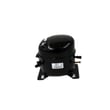
Is it worth replacing the compressor on an LG refrigerator?
Yes, replacing the compressor can be worth it on an LG LSC27926ST when the rest of the refrigerator is in good shape and the sealed system warranty still applies. If the unit is older and has multiple cooling or control issues, replacement is usually the better value.
Quick decision checklist
- Confirm the refrigerator and freezer are not simply set too cold or too warm (control settings matter).
- Rule out basic power issues first (outlet connection, recent outage).
- Check for door seal problems; air leaks can mimic cooling failures and make the compressor run excessively.
- Compare repair cost to the refrigerator’s age and overall condition (shelves, dispenser, ice maker, door alignment).
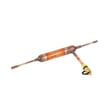
- If you proceed, use the exact compressor specified for this model: refrigerator compressor TCA37091209.
What the warranty means for this model
The LSC27926ST manual lists a sealed system warranty that covers parts for 7 years from the date of purchase (compressor, condenser, evaporator) and labor for 1 year. Use your purchase date to decide whether you are still inside that 7-year parts window; details are in the LSC27926ST owner's manual.
| Item | Typical coverage (from manual) | Why it matters |
|---|---|---|
| Full refrigerator (parts) | 1 year | Many non-sealed-system repairs become out-of-pocket after year 1 |
| Sealed system parts (includes compressor) | 7 years | Can reduce the parts cost of a compressor job |
| Labor | 1 year | Labor can be a large share of total repair cost |
Cost and value guidance (what we see most often)
A compressor replacement is a sealed-system repair; it is usually one of the highest-cost refrigerator fixes because it involves refrigerant handling and specialized tools. In practical terms, it is worth repairing when:
- The refrigerator is under 7 to 10 years old and otherwise reliable.
- Food temperatures were stable before the failure (no long history of warm temps).
- You are not also chasing other expensive problems (control board, fan motors, repeated icing).
It is usually not worth it when:
- The refrigerator is over 10 years old and has recurring cooling problems.
- You also have symptoms pointing to multiple failures (intermittent power, display issues, repeated no-cool events).
Why it matters
A weak or failed compressor can cause warm temperatures, long run times, and food spoilage. But control settings, door gasket leaks, and airflow issues can create similar symptoms, so confirming the root cause protects you from replacing a high-cost part unnecessarily.
Last updated: February 2026
What is the most common problem with the LG refrigerator?
For the LG LSC27926ST refrigerator, the most common day-to-day problem we see is cooling performance complaints (temperatures too warm or too cold). In many cases, the fix is correcting control settings, reducing door openings, and making sure airflow is not blocked; the troubleshooting steps in the owner's manual cover these common causes.
Most common symptoms customers notice
- Fresh food section warms up while the freezer seems OK
- Freezer warms up and ice production slows or stops
- Refrigerator runs “too much” or for long periods
- Food in drawers freezes (refrigerator set too cold)
- Clicking or buzzing noises during operation (often reported with cooling complaints)
Quick checks we recommend first (no parts needed)
- Verify temperature settings: If food is freezing in drawers, the refrigerator control is typically set too cold; if temps are warm, the freezer control may be set too warm.
- Limit door openings: Warm air enters every time the door opens; frequent or long openings cause warm temps.
- Confirm doors fully close: A slightly open door can keep temps from stabilizing.
- Allow time after loading warm food: Large loads of warm food raise temps until the unit recovers.
- Check installation conditions: Keep proper clearance from adjacent items and level the refrigerator to reduce vibration and help performance.
Common causes and what to do
| What you observe | Common cause | What we do next |
|---|---|---|
| Temps too warm | Controls set too warm; doors opened often | Adjust settings; reduce openings; recheck after several hours |
| Food freezing in drawers | Controls set too cold | Set refrigerator control warmer |
| Runs too long | Normal longer run times; frequent door openings | Confirm settings and door habits |
| Ice/water issues after install or long non-use | Air and debris in the line | Discard first ice and several glasses of water; then retest |
When a part is likely involved
If settings and door habits are good but cooling is still inconsistent, common repair paths include checking airflow components and temperature sensing. For this model, parts that can relate to cooling and airflow symptoms include the refrigerator thermistor 6500JB2002T, refrigerator evaporator fan motor 4681JB1029A, and refrigerator air damper 5209JJ1013B.
Why it matters
Stable temperatures protect food safety, reduce frost buildup, and help the compressor avoid excessive run time (which can increase electricity use). Good airflow and correct control settings solve a large share of “not cooling right” complaints.
Last updated: February 2026
What's the lifespan of a LG refrigerator?
LG refrigerators typically last 10 to 15 years. For your LG LSC27926ST, consistent maintenance (cleaning, correct temperatures, and good door sealing) is what most often determines whether you reach the high end of that range.
Typical lifespan and what affects it most
A refrigerator’s service life is mainly driven by compressor run time, airflow, and how hard the sealed system has to work.
- Keep condenser airflow clear (dust and pet hair make the compressor work harder)
- Minimize long door openings and frequent warm-food loading
- Maintain tight door sealing and proper door alignment
- Replace the water filter on schedule to protect the dispenser and ice maker
- Address unusual noises early (fans and dampers are common wear items)
Maintenance schedule we recommend
Use this as a simple baseline for an LG side-by-side like the LSC27926ST.
| Task | How often | Why it matters |
|---|---|---|
| Replace water filter | About every 6 months | Maintains water flow and ice quality |
| Clean condenser area | Every 6 to 12 months | Reduces compressor strain |
| Check door seal and leveling | Every 6 months | Prevents warm air leaks and frosting |
| Flush water after filter change | After each replacement | Purges air and carbon fines |
For model-specific care steps and operating guidance, follow the LSC27926ST owner's manual.
Parts that commonly support long life
These parts are frequently involved in performance issues that shorten refrigerator life (warm temps, weak ice production, leaks).
- LG lt600p refrigerator water filter 5231JA2006F (helps maintain dispenser and ice maker flow)
- LG refrigerator water inlet valve 5221JA2006D (controls water supply to dispenser and ice maker)
- Refrigerator thermistor 6500JB2002T (helps the control system regulate temperature accurately)
- Refrigerator condenser fan 4681JB1029B (moves air across the condenser for efficient cooling)
Why it matters
When airflow is restricted or temperatures drift, the compressor and sealed system run longer and hotter. That extra workload is the biggest reason refrigerators fail earlier than 10 to 15 years.
Last updated: February 2026
How to tell if an LG compressor is bad?
On an LG LSC27926ST refrigerator, a bad compressor typically shows up as warming temperatures with little or no normal compressor run sound, or repeated clicking from the lower rear area as the compressor tries to start and shuts off. Confirm basic power and control settings first using the owner's manual.
Quick checks before blaming the compressor
These checks rule out common, non-compressor causes the manual calls out (controls, defrost cycle, power).
- Make sure the wall plug is fully seated and the outlet has power.
- Verify the refrigerator control is not set to OFF and temperatures are set correctly.
- Allow time for an automatic defrost cycle to finish (the compressor can pause during defrost).
- Listen for a repeating click every few minutes (often a start attempt that fails).
- Check door gaskets for gaps or heavy soil; air leaks can make the unit run excessively.
Symptoms that strongly point to a compressor or sealed-system problem
A compressor issue is likely when the refrigerator cannot maintain safe temperatures even though fans run and settings are correct.
| What you notice | What it usually means | What to do next |
|---|---|---|
| No cooling in fresh food and freezer; compressor silent | Not running (power, control, start device, or compressor) | Do the quick checks above; then move to electrical diagnosis |
| Repeated clicking from bottom rear; little cooling | Start device overload trips or compressor is locked | Plan for professional diagnosis; compressor replacement is a major repair |
| Runs “too much” and still warms | Inefficient cooling (sealed system or compressor) | Check condenser airflow and door seals; then diagnose further |
Parts that can be involved (when diagnosis confirms)
If testing confirms the compressor is the failure point, the replacement part for this model is the refrigerator compressor TCA37091209. If cooling problems are tied to airflow or temperature sensing instead, these parts are commonly checked during troubleshooting:
- Refrigerator evaporator fan motor 4681JB1029A (moves cold air through compartments)
- Refrigerator condenser fan 4681JB1029B (removes heat at the condenser)
- Refrigerator thermistor 6500JB2002T (reports temperature to the control)
Why it matters
A failing compressor can let temperatures rise into the food-unsafe range and can also cause the refrigerator to run longer than normal. Ruling out settings, defrost operation, and power first prevents unnecessary parts replacement.
Last updated: February 2026
How often should an LG fridge air filter be replaced?
For the LG LSC27926ST side-by-side refrigerator, the maintenance interval called out in the LSC27926ST owner's manual is for the dispenser’s water filter indicator: replace the water filter every 6 months. If your refrigerator uses a separate air (odor) filter, a 6-month change schedule is the standard.
What to follow on LSC27926ST
The dispenser panel “Filter” light on this model tracks the water filter, not an air filter.
- Replace the water filter every 6 months.
- Reset the filter indicator after replacement by pressing and holding the Filter button for more than 3 seconds.
- If water flow slows or taste/odor returns sooner, replace the water filter early.
- If you are chasing odors (not water taste), focus on cleaning and airflow, not the dispenser filter light.
Air filter vs water filter (quick comparison)
If your unit has an air filter, it is separate from the water filter and is not reset by the dispenser “Filter” button.
| Filter type | Main job | Where you notice issues first | Typical replacement interval |
|---|---|---|---|
| Air (odor) filter | Reduces food odors | Refrigerator compartment smells | Every 6 months |
| Water filter | Improves water and ice | Dispenser flow, taste, ice quality | Every 6 months (LSC27926ST) |
Parts that match this model
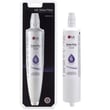
For the water filter used with the dispenser system, use the model-matched cartridge: refrigerator water filter 5231JA2006F.
Why it matters
Changing filters on schedule keeps water and ice tasting clean, helps maintain dispenser flow, and reduces odor transfer between foods when an air filter is present.
Last updated: February 2026