Owner’s manual




How big of a tree will a 14-inch chainsaw cut?
A 14-inch bar on your Poulan 1420 electric chainsaw is best for limbing and cutting small trees; we treat about 12 inches in diameter as the practical single-pass limit. You can cut larger diameters by working from both sides, but control and safety become the priority.
Practical cutting limits (what to expect)
- Up to ~12 in. diameter: most efficient and controlled for bucking and small felling
- 12 to 14 in. diameter: possible with careful technique; expect slower cutting
- Over 14 in. diameter: requires multiple cuts and repositioning; higher risk of binding and kickback
- Hardwoods vs. softwoods: hardwoods cut slower and load the motor more
- Bar length is not the only limit: chain sharpness, chain tension, and lubrication matter just as much
Safe technique for larger trunks
The manual’s felling guidance focuses on planning, footing, and controlling the fall direction. Use these practices whenever you are near the saw’s upper limit. See the owner's manual.
- Plan a clear retreat path and keep bystanders well away
- Avoid cutting near dead limbs that can drop unexpectedly
- Use the notch method for trees 6 inches and larger; cut the notch about 1/3 into the trunk
- Use wood or plastic wedges to control the cut; never use steel wedges
- Stop the motor as soon as the cut is complete; do not push at the end of the cut
Quick reference table
| Bar length | Best use | Practical single-pass diameter | When to step up |
|---|---|---|---|
| 14 in. | limbing, pruning, small firewood | ~12 in. | frequent cuts over ~14 in. |
Why it matters
Trying to “over-bar” a cut increases the chance of pinching the guide bar, stalling the chain, and losing control. Keeping the chain sharp and properly tensioned also helps the saw cut straight and reduces strain.
Parts that commonly affect cutting performance
| Symptom | Most common cause | Part to check |
|---|---|---|
| Slow cutting, rough chips | dull or damaged chain | Chain 91PX052G |
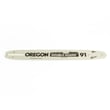
| Crooked cuts | unevenly worn chain or bar rails | 14 bar 140SDEA041 |
Last updated: February 2026
What's the best electric chainsaw on the market?
The “best” electric chainsaw depends on what you’re cutting and how often you use it. For most homeowners, the best choice is the saw that matches your typical limb size, run time needs, and safety features. If you already own a Poulan 1420 electric chainsaw, keeping it set up with the correct bar and chain often delivers the best real-world results for your yard.
How we recommend choosing the best electric chainsaw
- Power source: corded for steady power; battery for portability
- Bar length: match it to what you cut most (most homeowners do well with 12 to 16 inches)
- Kickback control: reduced-kickback bar and low-kickback chain options matter
- Chain speed and torque: higher speed cuts faster; torque helps in harder wood
- Serviceability: easy chain tensioning, bar access, and available replacement parts
What matters most for your Poulan 1420 setup
Your Poulan model 1420 is designed to use specific bar and chain combinations that help meet kickback requirements. For a 14-inch configuration, the common match is a 14-inch bar and the specified chain type; confirm the exact pairing and maintenance steps in the owner's manual.
Common replacement parts for the 1420
| What it is | What it affects | When to replace |
|---|---|---|
| Chain 91PX052G | Cutting speed, smoothness, kickback risk | Dull cutters, stretching, damaged links |
| 14 bar 140SDEA041 | Straight cuts, chain tracking | Bent rails, heavy wear, chain won’t track |
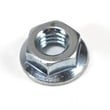
| Lawn & garden equipment flange nut 530015251 | Bar mounting security | Stripped threads, won’t hold torque |
Quick safety and performance checks (before you buy a new saw)
- Unplug the saw before adjustments or part changes
- Check chain tension before first use and again after about a minute of operation
- Keep the chain sharp and properly tensioned to reduce kickback risk
- Keep the chain out of dirt and sand to prevent rapid dulling
- Cut wood only; stop and inspect if you hit a foreign object
Why it matters
Most “best chainsaw” complaints come down to a dull chain, worn bar rails, or incorrect tension. A properly matched bar and chain, plus correct tension and lubrication habits, makes an average electric chainsaw cut like a much better one.
Last updated: February 2026
Can I put an 18-inch bar on a 16-inch 1420 chainsaw?
No. For the Poulan 1420 electric chainsaw, the bar and chain combinations specified in the owner's manual do not include an 18-inch guide bar; using a longer bar than specified is not recommended because it increases kickback risk and can prevent proper chain fit and tensioning.
What bar and chain sizes are specified for Poulan 1420?
The manual lists approved bar and chain combinations for model 1420; stick with those exact pairings.
- Use only the specified reduced-kickback guide bar and low-kickback chain
- Keep the chain sharp and properly tensioned
- Tighten the bar mounting nuts securely before cutting
- Avoid tip contact and plunge cuts to reduce kickback risk
| Model | Specified guide bar length | Specified chain pairing |
|---|---|---|
| 1420 | 14 in | Low-kickback chain matched to the 14-in bar |
Parts on this model that match the specified setup
If you are replacing wear items on the Poulan 1420, these parts match the 14-inch configuration shown for this model.
Why it matters
Bar length is not just “reach”; it changes cutting forces and kickback behavior. Using the specified bar and chain combination keeps the saw operating within its intended load, chain speed, and safety limits.
Last updated: February 2026