Owner’s manual




How thick of a tree can an electric chainsaw cut?
For the Craftsman 315341300 electric chainsaw, we recommend cutting wood up to 5 inches in diameter. The 315341300 owner's manual specifically describes this saw as intended for limbing and pruning, and not for cutting larger trees.
What to use this chainsaw for (best-fit jobs)
This model is built for lighter cutting where control and safety are easier to maintain.
- Limbing downed branches
- Pruning small trees and brush
- Bucking small logs into manageable lengths
- Yard cleanup after storms (small diameter material)
- Occasional homeowner use rather than felling large trees
What limits the maximum diameter you can cut
Even if the bar looks long enough, several factors reduce safe, effective cutting capacity.
| Factor | What you may notice | What to do |
|---|---|---|
| Motor power | Slower cutting, stalling | Let the chain do the work; avoid forcing the cut |
| Chain sharpness | Sawdust instead of chips, smoke | Sharpen or replace the chain |
| Bar condition | Crooked cuts, binding | Inspect bar rails; replace if worn |
| Pinching/kerf closing | Chain gets stuck mid-cut | Use proper support and cut planning |
Quick safety and technique reminders
The manual emphasizes stable footing and avoiding risky positions while cutting.
- Keep secure footing and balance; do not overreach
- Do not cut above shoulder height
- Keep bystanders and pets out of the work area
- Avoid wet conditions; do not use in rain or damp locations
- Be ready for push and pull reactions as the chain contacts wood
Parts that affect cutting performance
If cutting feels slow or rough, the chain and bar are the first wear items to check.
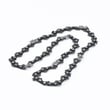
- Replace a stretched or dull chain with the chainsaw chain 6958301
- Replace a bent or heavily worn bar with the chainsaw bar, 10-in 671834023
Why it matters
Staying within the 5-inch guideline helps prevent binding, kickback risk, and motor overload. It also helps you get cleaner cuts with less effort and less wear on the bar and chain.
Last updated: January 2026
What is the difference between 40v and 80v chainsaws?
An 80V chainsaw typically delivers more power and longer sustained cutting under load than a 40V model, which is usually aimed at lighter homeowner trimming. Your Craftsman 315341300 is a 19.2V DC, 10-inch light-duty saw, so voltage comparisons are mainly about choosing a different tool class, not upgrading this model.
What higher voltage usually changes
- Cutting power under load: 80V platforms generally keep chain speed up better in thicker wood.
- Runtime potential: higher-voltage systems can be paired with higher-capacity packs for longer work sessions.
- Tool size and weight: more power often means a heavier saw and battery.
- Best use case: 40V is commonly for pruning and small limbs; 80V is commonly for larger limbs and more frequent cutting.
- Cost and ecosystem: batteries and chargers are platform-specific, so voltage often locks you into a brand system.
How this relates to Craftsman 315341300
Our Craftsman 315341300 is designed for occasional, light-duty cutting and uses a 10-inch bar with a 19.2V DC motor per the 315341300 owner's manual. When performance drops, the most effective “upgrade” is usually maintenance and correct cutting hardware, not chasing higher voltage.
Common performance fixes on this model
| Symptom | Most common cause | What to check first |
|---|---|---|
| Cuts slowly | Dull chain | Sharpen or replace the chain |
| Pulls to one side | Uneven cutters | Sharpen evenly, check bar wear |
| Smokes or overheats | Poor lubrication or dull chain | Verify oiler function, chain sharpness |
If you need a replacement cutting loop, match the correct low-kickback style and fitment; the manual calls out replacement chain part numbers, and we stock the chainsaw chain 6958301 for this model.
Why it matters
Voltage is only one piece of real-world cutting performance. Bar length, chain type (including low-kickback design), sharpness, and lubrication often make a bigger difference in safe, consistent cutting than voltage alone.
Last updated: January 2026
How to find chainsaw model number?
On the Craftsman electric chainsaw model 315341300, the model number is printed on a plate attached to the motor housing. We use that exact number to match the correct parts list, operator instructions, and compatible items like the guide bar and chain.
Where to look on model 315341300
Check these common spots first; the plate is typically easy to see once you know where to look:
- On the motor housing (the manual specifies a plate attached to the motor housing)
- Near the rear handle area, where the housing is widest
- On the side of the housing close to the chain cover
- On the underside of the housing (if the saw has been stored on a shelf or hook)
How to record it correctly
Write the model number exactly as shown so you get the right Craftsman chainsaw parts and diagrams.
- Copy every digit in order (for this saw, it should read 315341300)
- Include any punctuation if present on the plate (some plates show dots or spaces)
- Take a clear photo of the plate before ordering parts
- Use the model number in the 315341300 operator's manual to confirm you are referencing the correct unit
Why it matters (parts compatibility)
Chainsaw parts are matched by model number because bar length, chain pitch, and mounting details can vary. For model 315341300, the manual lists a 10-inch bar and specific replacement part numbers for the bar and chain, so using the correct model number prevents ordering the wrong fit.
| What you need | Why it matters | Example for 315341300 |
|---|---|---|
| Model number | Matches the correct parts list and instructions | 315341300 |
| Guide bar info | Ensures the bar mounts and tensions correctly | 10-inch bar |
| Chain info | Ensures safe cutting and proper drive link fit | Replacement chain listed in manual |
Related parts you may be shopping for
If you are identifying the model number to replace wear items, these are common starting points:
- Chainsaw chain 6958301 (replacement chain)
- Chainsaw bar, 10-in 671834023 (guide bar)
- Chain tension adjustment and installation steps in the 315341300 operator's manual
Last updated: January 2026
Are electric chain saws any good?
Yes. Electric chainsaws like the Craftsman 315341300 are a solid choice for typical homeowner cutting because they start easily, run quieter than gas saws, and need less routine maintenance. For safe, consistent performance, use the correct low-kickback chain and a compatible guide bar as outlined in the 315341300 owner's manual.
What “good” looks like for an electric chainsaw
- Best for limbing, pruning, storm cleanup, and cutting firewood rounds within the bar length
- Lower day-to-day maintenance (no fuel mixing, fewer tune-up items)
- More predictable starting and operation
- Typically lighter and easier to handle than many gas models
- Great option when you want quick, occasional use
Key limitations to plan for
- Not ideal for long, continuous heavy cutting (heat and power limits)
- Cutting speed depends heavily on chain sharpness and proper bar oiling
- You must avoid wet conditions; do not use the saw in damp or rainy locations
- Kickback risk still exists; low-kickback components and technique matter
Parts that most affect performance on this model
| What you notice | Most common cause | What to check/replace |
|---|---|---|
| Slow cutting, smoking, fine dust | Dull chain or wrong chain type | Chain condition; consider chainsaw chain 6958301 |
| Crooked cuts, chain won’t track | Worn or bent bar | Bar rails and tip; consider chainsaw bar, 10-in 671834023 |
| Chain feels “grabby” or unsafe | Incorrect chain style or depth gauges | Use equivalent or ANSI low-kickback replacement chain per the manual |
Why it matters (safety and results)
The manual emphasizes using the saw for cutting wood only, keeping a clear work area and secure footing, and using replacement chain that is equivalent to the original or certified as low kickback. Those choices directly affect cut quality and reduce the chance of kickback.
Last updated: January 2026