Are air compressor parts interchangeable?
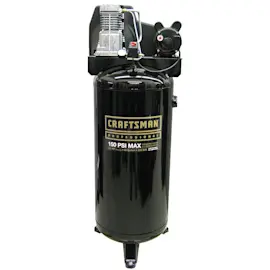
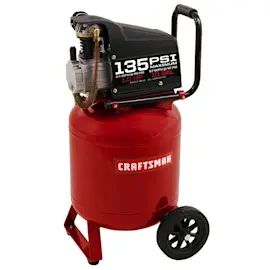
Most air compressor parts are not interchangeable across brands or even across different models of the same brand. For a Craftsman air compressor model 919156651, internal parts (pump components, valves, seals, and motor parts) must match the exact design so the compressor builds pressure safely and runs correctly.
These parts are engineered around the pump style, pressure range, and mounting pattern, so we match them by model number:
- Pump head, cylinder, and crankcase components
- Reed valves, valve plates, and gaskets
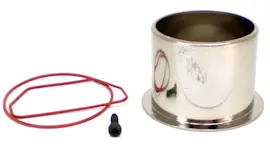
- Piston, rings, connecting rod, and bearings
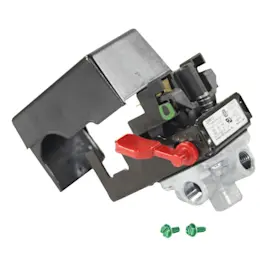
- Pressure switch (cut-in and cut-out settings and port layout)
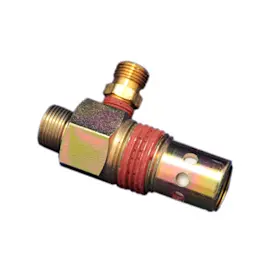
- Check valve and unloader valve style
- Regulator body and manifold assemblies
Some external connection parts can be shared between compressors, but only when the thread type, size, and flow rating match.
- Quick-connect couplers and plugs (industrial, automotive, ARO styles)
- NPT threaded fittings (common sizes include 1/4-in and 3/8-in NPT)
- Air hose ends and adapters
- Tank drain valve (thread size must match)
| Part type | Often interchangeable? | What must match |
|---|---|---|
| Pump internals | No | Pump design, tolerances, gasket pattern |
| Pressure switch | Sometimes | PSI range, port size, wiring layout |
| Couplers/plugs | Sometimes | Coupler standard, NPT size, airflow |
| Check valve | Sometimes | Thread size, tube size, pressure rating |
- Confirm the full model number: 919156651
- Identify whether you’re replacing an internal pump part or an external fitting
- Match thread size and type (for example, NPT) before ordering fittings
- If you’re chasing a leak, locate the leak point first (manifold, hose, check valve, safety valve)
- If the compressor will not start or will not build pressure, diagnose the symptom before buying parts
Using a “close enough” part can cause air leaks, incorrect cut-in or cut-out pressure, hard starting, or repeated breaker trips. Matching parts to the Craftsman 919156651 design protects performance and helps prevent repeat failures.
For step-by-step troubleshooting by symptom, use our DIY help for air compressor common questions.
Last updated: February 2026
What is the average lifespan of an air compressor?
Most homeowner and light-duty air compressors like the Craftsman 919156651 typically last 5 to 10 years with normal use and basic maintenance. Heavier-duty shop compressors often run 10 to 20 years when they are kept clean, leak-free, and not overheated.
| Compressor type | Typical lifespan | What usually ends it |
|---|---|---|
| DIY / portable (pancake, hot dog, small wheeled) | 5 to 10 years | Heat, frequent cycling, worn pump seals, switch issues |
| Prosumer / small shop (belt drive) | 8 to 15 years | Pump wear, motor wear, neglected maintenance |
| Industrial (rotary screw) | 10 to 20 years | High run hours, poor air quality, missed service intervals |
- Drain the tank regularly to reduce internal corrosion and water carryover.
- Fix air leaks promptly (fittings, regulator, drain valve, safety valve).
- Keep the intake filter clean so the pump is not starved for air.
- Avoid extension cords and low voltage; hard starting shortens motor and switch life.
- Let it cool between long runs; heat is a major pump killer.
- Store it dry and clean; moisture and dirt accelerate wear.
| If you see this | What it usually means | Practical next step |
|---|---|---|
| Slow fill and constant running | Leak or pump wear | Leak test first, then evaluate pump condition |
| Won’t start or trips breaker | Electrical or pressure switch issue | Check power, cord, switch, and unloader behavior |
| Tank won’t hold air | Leak or tank corrosion | Confirm leak source; do not keep using a compromised tank |
Lifespan is mostly about run time, heat, and moisture. A compressor that cycles constantly because of leaks or a misadjusted pressure switch can wear out years earlier than one that fills normally and shuts off correctly. For troubleshooting paths that match the most common failures, use our DIY guides like air compressor won't build tank pressure and air compressor won't start.
Last updated: February 2026
What is the most common cause of air compressor failure?
The most common cause of air compressor failure is poor maintenance that lets heat, dirt, and wear build up over time. On a Craftsman air compressor model 919156651, that usually shows up as restricted airflow, leaks, or worn pump components that force the motor and pump to work harder.
- Overheating from blocked cooling fins, dirty intake filter, or poor ventilation
- Air leaks at fittings, drain valve, regulator, or tank connections that keep the unit running too long
- Pressure switch or electrical issues (won’t start, won’t stop, or trips a breaker)
- Check valve or unloader problems that make restarting under pressure difficult
- Pump wear (valves, piston seal, cylinder) that reduces compression and tank pressure
- Listen and look: long run times, hot motor, or hissing air point to leaks or overheating.
- Check the tank drain: water left in the tank accelerates internal corrosion and can cause performance issues.
- Inspect airflow: keep the shroud, vents, and cooling fins clear; avoid running in tight enclosed spaces.
- Confirm pressure behavior: if it won’t cut in or cut out normally, focus on the pressure switch and unloader.
| What you notice | Most likely cause | What to check next |
|---|---|---|
| Won’t start | Electrical or pressure switch issue | Cord/outlet, switch, unloader function |
| Runs but won’t build pressure | Pump wear or major leak | Intake, reed valves, fittings, drain valve |
| Starts hard with a full tank | Check valve or unloader issue | Check valve sealing, unloader line |
| Pressure gauge seems wrong | Gauge or blockage | Gauge port, vibration damage |
When an air compressor runs hot or leaks air, it cycles longer and more often. That extra run time accelerates wear on the motor, pressure switch, and pump, turning a small maintenance issue into a no-start or no-pressure failure.
- Use our guide for air compressor won't start to narrow down pressure switch, unloader, and electrical causes.
- If pressure is low, follow air compressor won't build tank pressure to check for leaks and pump problems.
- For deeper pump issues, see how to rebuild an air compressor pump.
Last updated: February 2026