Installation guide
 Owner’s manual
 Error Codes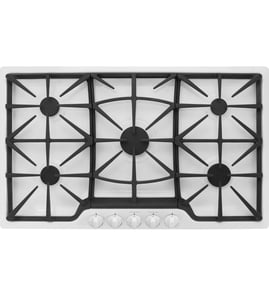


What is the best gas cooktop on the market?
The “best” gas cooktop depends on how you cook and what your kitchen can support. For a 36-inch downdraft gas cooktop like Jenn-Air model JGD3536BS00, the best choice prioritizes strong burner performance, reliable ignition, easy cleaning, and correct installation for safe gas supply and ventilation (use the JGD3536BS00 installation guide to confirm fit and requirements).
What to compare when shopping
- Burner power and control: high-heat output plus true low simmer
- Burner design: sealed burners and removable caps for easier cleanup
- Ignition reliability: consistent sparking and quick lighting
- Venting approach: downdraft vs overhead hood, and real-world capture
- Serviceability: parts availability for igniters, valves, and spark system
- Fit: cutout, cabinet clearances, and gas line location
How JGD3536BS00 fits into “best” criteria
This model is a 36-inch gas downdraft cooktop; installation specs and gas requirements matter as much as brand reputation. The installation instructions call out using the supplied gas pressure regulator and verifying inlet pressure ranges for Natural Gas and LP gas conversions by a qualified technician.
Quick spec checkpoints (typical decision drivers)
| What you’re deciding | What to verify | Where to verify |
|---|---|---|
| 36-inch fit | cabinet and cutout compatibility | JGD3536BS00 installation guide |
| Gas type | Natural gas vs LP conversion | JGD3536BS00 installation guide |
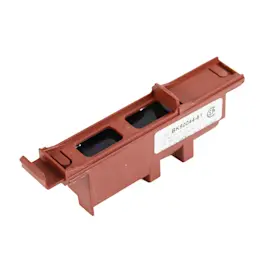
| Ignition dependability | condition of igniters and spark system | Igniter WP74009336, spark module WPW10475150 |
Why it matters
A cooktop can be “top rated” and still perform poorly if the gas supply pressure, regulator use, or downdraft clearances are wrong. Matching burner performance to your cookware and confirming installation requirements prevents weak flames, hard lighting, and uneven cooking.
Last updated: February 2026
Do downdraft vents work with a gas cooktop?
Yes. The Jenn-Air JGD3536BS00 is designed as a gas downdraft cooktop, so downdraft venting works with a gas cooktop when it is installed and vented correctly. The key is using the built-in downdraft system and following the venting and gas-safety requirements in the JGD3536BS00 installation guide.
What to know before you rely on downdraft ventilation
Downdraft can capture smoke and steam, but it is sensitive to airflow and installation details.
- Do not install any ventilation that blows air downward toward the burners; that can cause ignition and combustion problems.
- Use the venting method that matches your home layout (through wall, floor, roof, or between joists).
- Plan for a proper exterior termination (roof cap or wall cap) and correct duct sizing.
- Some areas require makeup air when ventilation exceeds a certain CFM; local codes vary.
- Keep the gas shutoff valve accessible in an adjacent cabinet, not buried under the cooktop.
Common venting options (at a glance)
| Venting route | Typical use case | What to watch for |
|---|---|---|
| Through wall | Exterior wall behind cooktop | Wall cap placement and duct run length |
| Through floor | Basement or crawlspace below | Joist spacing and clearances |
| Roof venting | Vertical chase available | Roof cap, weather sealing |
| Behind kick plate | Limited rear space | Tight bends reduce performance |
Why it matters
Gas burners need stable combustion. Incorrect airflow (especially air blowing downward at the flame) can lead to poor ignition, weak flames, or nuisance burner behavior. Correct vent routing also helps the downdraft fan move air efficiently, so it actually captures cooking fumes.
When to involve a pro
- You smell gas or suspect a leak
- You need to confirm gas type, regulator setup, or inlet pressure
- Local code requires makeup air or specific ducting methods
For model-specific venting diagrams, gas pressure guidance, and safety warnings, use the JGD3536BS00 installation guide.
Last updated: February 2026
How long do Jenn-Air cooktops last?
Jenn-Air cooktops typically last 10 to 15 years with normal household use and basic upkeep. For your JGD3536BS00 gas downdraft cooktop, keeping burners clean and the downdraft venting set up correctly helps performance stay consistent over the long term; see the JGD3536BS00 installation guide.
Typical lifespan and what affects it
Most cooktops reach the 10 to 15 year range; the biggest differences come from heat exposure, cleaning habits, and how hard the ignition and gas controls work over time.
- Daily high-heat cooking shortens life compared to light use
- Boilovers and harsh cleaners can damage burner parts and finishes
- Poor airflow or restricted venting can increase heat and grease buildup
- Frequent clicking or delayed ignition stresses the ignition system
- Gas pressure issues can cause uneven flames and extra wear
Parts that commonly wear first (and what you may notice)
On a gas downdraft cooktop like the JGD3536BS00, these are common wear items:
| Symptom | Likely area | Example part on this model |
|---|---|---|
| Burner clicks but won’t light, or lights intermittently | Ignition | Igniter WP74009336 |
| Multiple burners act up at once, constant clicking | Spark system | Spark module (model-specific part varies) |
| Weak/uneven flame, hard to adjust | Gas control | Burner valve (model-specific part varies) |
| Greasy odors, reduced downdraft capture | Vent filtration | Cooktop downdraft vent grease filter (model-specific part varies) |
Why it matters
Knowing the expected lifespan helps you decide when a repair is worth it. If your cooktop is within the 10 to 15 year window, replacing a wear part (like an igniter) often restores reliable lighting and avoids bigger performance issues.
Maintenance that helps you reach the full lifespan
- Clean burner caps and ports regularly; keep them dry before relighting
- Wipe up boilovers quickly to prevent clogged ports and corrosion
- Keep venting efficient; use the correct vent size and minimize elbows
- If you remodel, follow venting limits and clearances in the installation instructions
Last updated: February 2026
Why is my Jenn Air gas cooktop clicking but wont ignite?
If your Jenn-Air gas cooktop model JGD3536BS00 is clicking but not lighting, the most common cause is moisture or debris around the burner head or igniter after cleaning or a spill. Dry the area thoroughly and make sure the burner parts are seated correctly so gas can reach the spark.
Quick checks we recommend first
- Turn the burner knob to OFF and wait a minute, then try again.
- Remove the grate and burner parts; wipe up any water, cleaner, or spillover.
- Make sure the burner head and cap sit flat and centered (misalignment can prevent ignition).
- Clear clogged burner ports with a soft brush or toothpick (do not enlarge the holes).
- If you smell gas, stop and follow the safety steps in the JGD3536BS00 installation guide.
What the clicking means on this model
The clicking is the electronic ignition system sparking at the burner. On JGD3536BS00, burners are designed to light quickly (typically within a few seconds) once enough gas flow is present; moisture, blocked ports, or a poor spark path can keep the burner from catching.
Likely causes and what to do
| Symptom | Most likely cause | What to do |
|---|---|---|
| Clicks continuously, no flame | Wet igniter area or wet burner ports | Dry thoroughly; use cool air to speed drying |
| Clicks, occasional weak flame | Burner head/cap not seated | Reinstall burner parts so they sit level |
| Clicks, no ignition on one burner only | Dirty burner ports or worn igniter | Clean ports; inspect and replace the igniter if cracked |
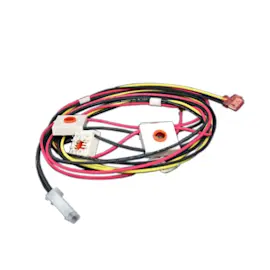
| Clicks on multiple burners, none light | Spark system issue or power problem | Confirm grounded outlet; then check spark module and wiring |
Parts that commonly fix “clicks but won’t ignite”
If cleaning and drying do not restore ignition, these model-matched parts are common fixes:
- Igniter WP74009336 (failed or cracked igniter can spark inconsistently)
- Spark module WPW10475150 (can cause weak or nonstop sparking)
- Burner assembly 74007736 (damaged/clogged burner head can prevent proper gas flow)
Why it matters
A burner that keeps clicking without lighting can allow unburned gas to accumulate and can also stress the ignition components. Restoring a clean, dry burner and a strong spark helps the cooktop light reliably and burn with a steady blue flame.
Last updated: February 2026