
What size impact wrench do I need to remove lug nuts?
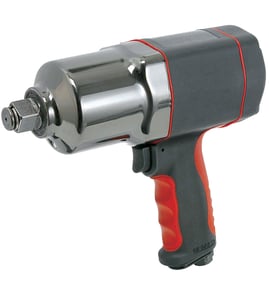
For most passenger cars and light trucks, a 1/2-inch drive impact wrench is the right size for removing lug nuts because it fits common lug-nut sockets and delivers the torque range typically needed. With your Craftsman 31518300 impact wrench, match the drive size to your sockets and finish tightening with a torque wrench.
- Most cars, SUVs, light trucks: 1/2-inch drive
- Small cars and tight spaces: 3/8-inch drive (works best when lug nuts are not seized)
- Heavy-duty trucks, large equipment: 3/4-inch drive or larger
- Stuck or rusted lug nuts: prioritize higher torque and use impact-rated sockets
- Final tightening: always use a torque wrench to the vehicle’s torque spec
Drive size is about socket compatibility and tool strength; torque is what actually breaks lug nuts loose.
| Drive size | Best use | Typical lug-nut performance |
|---|---|---|
| 3/8-inch | compact access, lighter fasteners | may struggle on over-torqued or corroded lugs |
| 1/2-inch | most lug nuts on passenger vehicles | best all-around choice |
| 3/4-inch | heavy-duty lugs | built for high torque and repeated heavy use |
- Use impact-rated sockets (not chrome hand sockets).
- If a lug nut will not move, apply penetrating oil and let it soak; then try again.
- Run lug nuts on by hand first to avoid cross-threading.
- Use the impact wrench for removal and snugging only; torque to spec with a torque wrench.
- If you feel hammering but no movement, stop and reassess (rounded nut, wrong socket size, or severe corrosion).
Using the correct drive size and enough torque helps you remove lug nuts without rounding the nut, snapping wheel studs, or warping brake rotors from over-tightening.
For more general DIY safety guidance before working on powered tools and fasteners, see are diy appliance repairs safe.
Last updated: February 2026
Do I need a torque wrench if I have an impact wrench?
Yes; even with a Craftsman 31518300 impact wrench, we still use a torque wrench for final tightening when the fastener has a specific torque spec. An impact wrench is great for speed and removal, but it is not a precision tightening tool.
For many non-critical jobs, the impact wrench is enough because exact clamp load is not required.
- Removing lug nuts, rusted bolts, and stubborn fasteners
- Running nuts and bolts down quickly before final tightening
- General assembly where “snug” is acceptable
- Breaking loose fasteners with threadlocker or corrosion
Use a torque wrench any time the manufacturer gives a torque value; this prevents stripped threads, warped parts, and loose fasteners.
- Wheel lug nuts (final tightening should be torqued)
- Engine, suspension, and brake fasteners
- Aluminum parts and small fasteners that strip easily
- Any gasketed joint where even clamping matters
- Any job where you are reusing torque-to-yield or spec-critical hardware
| Tool | Best for | What it controls | Common risk if misused |
|---|---|---|---|
| Impact wrench | Speed, removal, rapid run-down | Impacts and approximate tightness | Over-tightening, snapped studs |
| Torque wrench | Final tightening to a spec | Exact torque | Under-tightening if not set/used correctly |
Torque is what creates the correct clamping force. Impacts can vary with air pressure/battery level, socket fit, and how long you hold the trigger, so we treat the impact wrench as a “fastener mover” and the torque wrench as the “final authority.”
If you are troubleshooting power, switches, or wiring on a corded tool, we recommend using a meter and safe testing practices; see how to use a multimeter to test electrical parts video.
Last updated: February 2026
Which is the best impact wrench brand?
There is no single “best” impact wrench brand for everyone; the best choice depends on whether you prioritize maximum torque, battery platform, durability, or price. For most DIYers and pros, Milwaukee, DeWalt, and Makita are consistently top picks, and Craftsman can be a solid value if it fits your needs and budget.
Use these factors to pick the right impact wrench brand for your work (including your Craftsman 31518300 impact wrench):
- Torque you actually need: lug nuts and suspension work need more breakaway torque than light assembly.
- Battery ecosystem (cordless): staying on one platform saves money on batteries and chargers.
- Tool size and access: compact impacts fit tighter spaces but usually trade off torque.
- Reliability and serviceability: look for proven durability and easy access to common wear parts.
- Ergonomics: grip comfort, trigger control, and vibration matter on long jobs.
| Brand | Best for | Typical tradeoff |
|---|---|---|
| Milwaukee | High torque, strong cordless lineup | Often higher cost |
| DeWalt | Strong power-to-size options | Model-to-model performance varies |
| Makita | Smooth control, solid build quality | Some lines prioritize refinement over max torque |
| Craftsman | Value, broad availability | Fewer “top-of-class” flagship options |
An impact wrench that matches your torque needs and battery platform works faster, reduces rounded fasteners, and helps prevent over-tightening. The “best” brand is the one that fits your jobs, your existing tools, and how often you use it.
When you’re shopping for replacement parts or confirming compatibility for Craftsman model 31518300, use the model number exactly as shown on the tool’s label. Our guide, how to find your appliance model number (and what it means for parts), walks through where to look and why it matters.
Last updated: February 2026
What's better, 1/2 or 3/4 impact wrench?
For most DIY and automotive work, a 1/2-inch drive impact wrench is the better all-around choice; it fits the widest range of sockets and handles most lug nuts and suspension fasteners. A 3/4-inch drive is best for heavy equipment and large fasteners where maximum torque matters more than size and weight.
| Feature | 1/2-inch drive impact wrench | 3/4-inch drive impact wrench |
|---|---|---|
| Best for | Cars, light trucks, general repair | Heavy-duty trucks, industrial equipment |
| Socket availability | Most common, easiest to find | More specialized, fewer everyday sizes |
| Tool size/weight | Smaller, easier to handle | Larger, heavier, more tiring overhead |
| Typical torque need | Moderate to high | Very high |
If you are using a Craftsman 31518300 impact wrench for typical home garage tasks, a 1/2-inch drive setup is the practical standard.
Choose 1/2-inch if you:
- Remove/install passenger vehicle lug nuts
- Work in tighter spaces (wheel wells, suspension)
- Want the broadest socket selection
- Prefer a lighter tool for frequent use
Choose 3/4-inch if you:
- Service heavy-duty trucks, trailers, or farm equipment
- Regularly loosen large, rusted fasteners
- Need higher-torque sockets and accessories built for heavy loads
Drive size affects more than torque; it determines socket compatibility, access in tight spaces, and how safely the tool transfers force. Using an oversized drive for everyday work often adds weight and cost without improving results.
- Use impact-rated sockets (not chrome hand-tool sockets)
- Match extensions and adapters to the drive size (avoid stacking adapters)
- Finish critical fasteners with a torque wrench when a specific torque spec is required
For general DIY safety practices before working on power tools and repairs, see are diy appliance repairs safe.
Last updated: February 2026
Is 400 Nm torque good for an impact wrench?
Yes. For a Craftsman impact wrench like model 31518300, 400 Nm (about 295 ft-lb) is a strong, practical torque level for most automotive and home-shop jobs, including lug nuts, brake hardware, and many suspension fasteners.
In real-world use, 400 Nm is a solid “do-most-things” rating for a mid-range impact wrench.
- Removing and installing most passenger-vehicle lug nuts
- Brake caliper bracket bolts on many cars and light trucks
- General chassis fasteners (rust level matters)
- Light suspension work (some bolts may still need a breaker bar)
- Shop and DIY projects where you want speed without an oversized tool
Some fasteners require more than the tool’s rated working torque, especially if they are corroded or over-torqued.
- Heavily rusted or seized bolts (exhaust, underbody hardware)
- Large truck or heavy-equipment fasteners
- Axle nuts and crank bolts on some vehicles
- Fasteners installed with high-strength threadlocker
| Task | Typical torque range | How 400 Nm fits |
|---|---|---|
| Passenger-car lug nuts | 90 to 140 Nm | Plenty for removal/installation (finish with a torque wrench) |
| Light-truck lug nuts | 140 to 200 Nm | Usually enough |
| Stubborn suspension bolts | 150 to 300+ Nm | Often enough; rust can push it beyond |
| Axle nuts (varies widely) | 200 to 400+ Nm | Borderline; depends on vehicle and corrosion |
Torque ratings help you match the impact wrench to the job. A 400 Nm tool is powerful enough for most DIY and many pro tasks, but fastener condition (rust, threadlocker, prior over-tightening) often matters more than the number on the box.
- Use impact-rated sockets (not chrome hand sockets)
- Use the shortest setup possible (avoid long extensions when you can)
- If a bolt will not move, pre-treat with penetrating oil and allow soak time
- Break extremely tight fasteners loose by hand first, then use the impact
- Always final-tighten with a torque wrench to the vehicle spec
For general repair readiness and tool basics, see must have tools for appliance repair.
Last updated: February 2026