View engine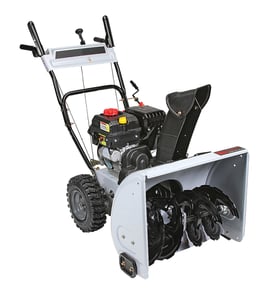


What kind of oil does a Poulan Pro snowblower take?
For the Poulan PR8527ES-96192000300 gas snow blower, we use a 4-cycle engine oil in the crankcase (oil is separate from the gasoline). Most Poulan Pro 4-cycle snowblowers run well on SAE 5W-30 for cold-weather starting and protection.
Oil type and viscosity (what to buy)
Use a quality 4-stroke small-engine oil; 5W-30 is the most common choice for winter use.
- SAE 5W-30: best all-around for snowblower temperatures
- Synthetic 5W-30: excellent for very cold starts and steady protection
- Do not mix oil into the gas: this model uses straight gasoline and separate crankcase oil
- Avoid 2-cycle oil: it is for premix engines, not typical 4-cycle snowblowers
Quick checklist before you add oil
These steps prevent overfilling and hard starting.
- Park on a level surface and let the engine cool
- Clean around the dipstick/fill area so debris does not fall in
- Add oil slowly, then recheck the dipstick
- Do not overfill; overfilling can cause smoking and rough running
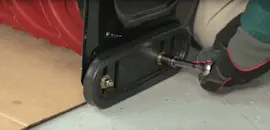
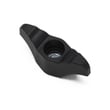
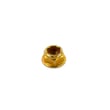
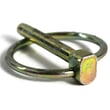
- If you see oil leaks, inspect fasteners and hardware such as a lock nut 596322601
Typical oil guidance (general)
Exact capacity varies by engine, but most snowblower engines fall into a small range.
| Item | Typical for gas snowblowers | Notes |
|---|---|---|
| Oil viscosity | 5W-30 | Best for cold weather |
| Oil type | 4-cycle small-engine oil | Conventional or synthetic |
| Fill method | Dipstick check | Add slowly and recheck |
Why it matters
Correct oil viscosity helps the engine crank easily in freezing temperatures and reduces wear on startup, which is when most engine wear occurs.
Last updated: January 2026
What is the best month to buy a snowblower?
For a Poulan gas snow blower like model PR8527ES-96192000300, the best months to buy are typically September and October (pre-season pricing with strong selection) or March and April (end-of-season clearance with fewer choices). If you need parts while shopping, we match by model using how to find your appliance model number (and what it means for parts).
Best time windows (and what to expect)
- September to October: Best balance of price and availability; most models and accessories are in stock.
- November (Black Friday period): Often strong promotions; popular models can sell out quickly.
- March to April: Deep clearance pricing; selection is limited and specific features may be hard to find.
- Mid-winter (December to February): Highest demand; prices and delivery times often increase.
Quick comparison
| When you buy | Price trend | Selection | Best for |
|---|---|---|---|
| Aug to Oct | Lower to moderate | Best | Most shoppers who want options |
| Nov | Moderate to low (promo-driven) | Good, then drops fast | Deal hunters who can buy early |
| Feb to Apr | Lowest | Limited | Clearance buyers who are flexible |
| Dec to Feb | Highest | Limited | Emergency replacement |
Why it matters
Buying before the first big storm usually means better inventory for the snowblower itself and common wear items (scraper bar, bearings, chute parts). Buying after the season can save money, but you may wait longer for the exact configuration you want.
Parts planning tip for in-season repairs
If your current machine is still running but performance is slipping, checking a few wear points can help you decide whether to repair or replace:
- Scraper bar wear and uneven edge contact
- Auger/impeller noise (bearing or gearbox wear)
- Chute rotation stiffness or binding
- Loose hardware from vibration
A common wear item on many units is the scraper bar; for this model, see snowblower scraper bar 532404932.
Last updated: January 2026
What is the typical lifespan of a gas snowblower?
A gas snowblower like the Poulan PR8527ES-96192000300 typically lasts 10 to 15 years with normal residential use and routine maintenance. With consistent off-season storage and timely wear-part replacement, many owners get 15 to 20 years of service.
What affects lifespan the most
- Fuel care: fresh gas, correct oil level, and using fuel stabilizer before storage
- Usage load: heavy, wet snow and long run times increase wear on the auger and drive system
- Storage conditions: dry storage reduces rust and cable corrosion
- Maintenance frequency: oil changes, belt checks, and fastener re-tightening
- Wear parts replaced on time: scraper bar, bearings, and hardware
Maintenance checklist to reach the high end of the range
- Change engine oil on schedule and check oil level before each use
- Drain fuel or treat it with stabilizer before off-season storage
- Inspect the auger area for play, noise, or binding; replace worn components early
- Keep the housing and chute clear of packed snow and debris after each use
- Replace worn ground-contact parts so the machine does not grind itself down
Common wear items and what they do
| Part | What it affects | Typical symptom when worn |
|---|---|---|
| Scraper bar | Clearing performance and housing protection | Leaves snow behind, excessive scraping noise |
| Auger bearing | Smooth auger rotation | Squealing, wobble, vibration |
| Fasteners (nuts, washers, screws) | Keeps assemblies tight and aligned | Rattling, loosening, misalignment |
If your machine is riding low or scraping unevenly, replacing the snowblower scraper bar 532404932 is one of the quickest ways to restore performance and reduce stress on the auger housing.
Why it matters
A snowblower usually does not “wear out” all at once; it loses performance as the auger/drive components loosen, bearings wear, and the scraper bar thins. Staying ahead of those wear points is what turns a 10-year machine into a 15 to 20-year machine.
Last updated: January 2026
How much should I pay for a snow blower?
For a gas two-stage snow blower like the Poulan PR8527ES-96192000300, most homeowners typically pay about $500 to $1,500, depending on clearing width, engine size, and features (electric start, power steering, heated grips). Smaller single-stage machines usually cost less; heavy-duty track models cost more.
Price ranges that make sense
Use these ranges to sanity-check a price before you buy.
- Single-stage (electric or small gas): $200 to $700
- Two-stage gas (most driveways): $500 to $1,500
- Premium two-stage or track drive: $1,200 to $2,000+
- Used snow blower: often 30% to 60% less than new (condition matters most)
What drives the price (and what to prioritize)
If you are comparing two snow blowers that look similar, these factors usually explain the price difference.
- Clearing width: wider costs more but reduces passes
- Intake height and housing strength: important for plow-packed snow
- Drive system: friction disc and multiple speeds vs basic drive
- Convenience features: electric start, headlight, heated grips
- Serviceability: parts availability for wear items (scraper bar, bearings, cables)
Quick comparison table
| Your situation | Recommended type | Typical budget |
|---|---|---|
| Small walkway, light snow | Single-stage | $200 to $700 |
| 2-car driveway, mixed snow | Two-stage gas | $600 to $1,400 |
| Long driveway, heavy or wet snow | Premium two-stage or track | $1,200 to $2,000+ |
Why it matters
Paying for the right class of machine saves time and prevents frustration. A two-stage gas snow blower is built to chew through deeper, heavier snow and plow berms, while a smaller single-stage unit is faster and cheaper for light snowfall.
Parts cost reminder (ownership cost)
Even a great deal can get expensive if common wear parts are overdue.
- Check the scraper bar condition and mounting hardware
- Listen for grinding from the auger/gearbox area
- Verify the chute rotates and locks smoothly
If you are pricing repairs, common wear items for this model include the snowblower scraper bar 532404932.
Last updated: January 2026