Owner’s manual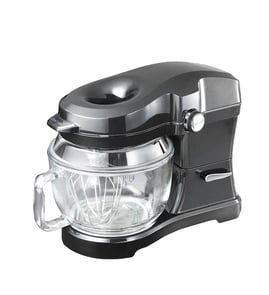


What does KSM mean in KitchenAid?
KSM is KitchenAid’s model prefix for a KitchenAid stand mixer. On your KitchenAid KSM75SL0 4-1/2-quart stand mixer, “KSM” helps identify the product family so you can match the correct parts, attachments, and documentation.
What “KSM” helps you do
- Confirm you’re shopping for stand mixer parts, not a blender or food processor part
- Match the correct owner’s manual and diagrams for your exact model
- Narrow down compatible bowls and beaters for the KSM-series mixer
- Reduce ordering mistakes when multiple models look similar
Why it matters when ordering parts
KitchenAid model numbers often share similar digits, but small differences can change the fit of a gear, control component, or accessory. Using the full model number (KSM75SL0) is the fastest way to get the right replacement.
| What you’re matching | Example on this model | Why it matters |
|---|---|---|
| Documentation | KSM75SL0 owner’s manual | Confirms operation, safety, and attachment use |
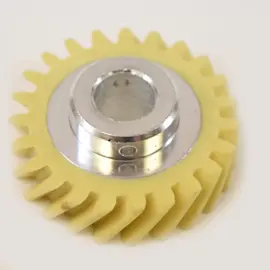
| Mechanical drive parts | Stand mixer worm gear WPW10112253 | A worn gear can cause grinding, slipping, or no mixing |
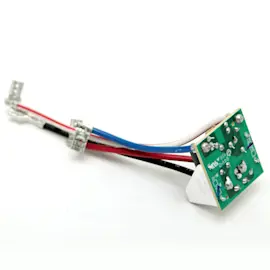
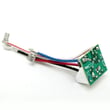
| Speed control parts | Plate-ctrl (speed control board) | Correct speed regulation depends on the right control parts |
Quick tips to avoid mix-ups
- Use the entire model number: KSM75SL0
- Match the part by part ID (not just a description)
- If you’re adding accessories, confirm they fit the hub and bowl size listed for your mixer
Why it matters
“KSM” is a shorthand identifier that keeps your repair and accessory choices aligned with the stand mixer platform, which saves time and prevents returns.
Last updated: January 2026
What is the #1 rated stand mixer?
There is no single “#1 rated” stand mixer for everyone; the best choice depends on what you bake most and how often you use it. For everyday home baking, KitchenAid tilt-head mixers like the KitchenAid KSM75SL0 4-1/2-quart stand mixer are a proven all-around option for cakes, cookies, and whipped mixtures when used with the right speeds and attachments (see the KSM75SL0 owner's manual).
How to choose the best stand mixer for your needs
We recommend matching the mixer to your most common tasks and batch sizes.
- Frequent bread dough: prioritize higher torque and a sturdy gear train
- Cakes and cookies: tilt-head convenience and a flat beater work well
- Whipping egg whites or cream: look for stable low-to-medium speeds and a wire whip
- Small kitchens: consider footprint and storage height
- Batch size: choose bowl capacity that fits your typical recipe volume
What “top rated” usually means in real use
Ratings typically reflect a mix of performance, durability, and ease of use. For the KSM75SL0-STYLE tilt-head design, the manual highlights common attachment uses:
| Task | Typical attachment | What to watch for |
|---|---|---|
| Cookies, frosting, mashed potatoes | Flat beater | Scrape bowl only with mixer off |
| Whipped cream, egg whites | Wire whip | Use appropriate speed to avoid over-whipping |
| Yeast dough | Dough hook | Avoid overloading; knead in recommended stages |
Why it matters
Choosing the right mixer reduces strain on internal gears and controls, improves mixing results, and helps prevent issues like overheating or inconsistent speed.
If your mixer performance affects “rating” at home
If your stand mixer is noisy, slips under load, or struggles with dough, common wear items can be part of the fix.
- Clicking or grinding under load can point to a worn gear set such as the stand mixer worm gear WPW10112253
- Speed changes or surging can relate to the speed control system such as the plate-ctrl WPW10119326
- Poor whipping or mixing results can be as simple as using the correct beater for the recipe
Last updated: January 2026
What is the life expectancy of a KitchenAid stand mixer?
A KitchenAid stand mixer like model KSM75SL0 typically lasts 10 to 15 years with normal home use and basic maintenance. Heavy loads, frequent use, and running the mixer at high speed with stiff dough can shorten life; timely gear and control repairs extend it.
Typical life expectancy (what most owners see)
- Normal home baking (weekly use): 10 to 15 years
- Light use (occasional): 15+ years
- Heavy use (daily, dense doughs): 5 to 10 years
- Wear items (gears, grease, speed control): often need attention before the motor does
| Usage pattern | Typical lifespan | Most common wear areas |
|---|---|---|
| Occasional cookies, frosting | 15+ years | attachments, bowl fit, feet |
| Weekly baking | 10 to 15 years | gears, speed control |
| Frequent bread dough | 5 to 10 years | worm gear, gear case, motor load |
What shortens a stand mixer’s lifespan
- Mixing very stiff dough on high speeds (especially above speed 2)
- Overfilling the bowl or running long continuous batches
- Ignoring grinding, clicking, or speed surging
- Grease breakdown inside the gear case (leads to noisy operation and gear wear)
- Using the mixer when the beater is striking the bowl (misadjustment or damage)
Parts that commonly extend the life of KSM75SL0
If the mixer still runs but makes noise, stalls, or struggles under load, these model-supported parts are common fixes:
- Stand mixer worm gear WPW10112253 (sacrificial gear that protects the drivetrain)
- Plate-ctrl WPW10119326 (speed control board for inconsistent speeds)
- Stand mixer phase control board WPW10325124 (power/speed regulation issues)
Why it matters
A stand mixer can run for many years, but early symptoms (grinding, slipping, speed hunting, burning smell) usually point to a drivetrain or control issue that is cheaper to address before it damages the gear case or motor.
For safe operation and model-specific use limits, follow the electrical and operating guidance in the KSM75SL0 owner’s manual.
Last updated: January 2026
Is there a better mixer than KitchenAid?
For the KitchenAid KSM75SL0 4-1/2-quart stand mixer, there is not one universally “better” mixer; the best choice depends on what you mix most often (bread dough, large batches, or everyday baking) and which features matter most (capacity, power, attachments, and serviceability). See the KSM75SL0 owner's manual for speed guidance and recommended use.
How to decide what “better” means for you
A mixer can be “better” in different ways. Use these quick checkpoints:
- Heavy yeast dough focus: choose a mixer that can knead without overheating; for KitchenAid-style mixers, always keep yeast dough at Speed 2 or lower.
- Large batch capacity: consider a larger bowl size than 4-1/2 quart if you routinely double recipes.
- Everyday baking versatility: a tilt-head stand mixer like the KSM75SL0 handles cakes, cookies, and frosting efficiently.
- Attachment ecosystem: if you want pasta, grinding, or other hubs, compare available attachments and how often you will use them.
- Repairability and parts availability: common wear items (gears, controls) can be replaced when performance drops.
KitchenAid KSM75SL0 strengths (and where other mixers may win)
KitchenAid mixers are designed to mix quickly and thoroughly; many recipes need shorter mixing times than with other mixers to avoid overbeating.
| Priority | KSM75SL0 typically excels at | Another mixer may be better if you need |
|---|---|---|
| Everyday baking | Cakes, cookies, frosting, quick breads | Very large batches every week |
| Dough handling | Light to moderate yeast dough (Speed 2 max) | Frequent stiff dough, high-volume kneading |
| Accessories | Multiple beaters and hub-style attachments | Specialty mixing action or extra-large bowls |
If your current KitchenAid feels “not as good” anymore
Often the issue is wear, adjustment, or a control problem, not the brand.
- If the mixer grinds, clicks, or stalls, inspect the drive components; the stand mixer worm gear WPW10112253 is a common wear part.
- If speeds surge, run unevenly, or will not hold a setting, the speed control components may need attention; check the plate-ctrl WPW10119326.
- If ingredients collect at the bottom of the bowl, check beater-to-bowl clearance and mixing technique (add ingredients near the bowl side, not into the moving beater).
Why it matters
Choosing the “best” stand mixer is really about matching the machine to your recipes and habits. For the KSM75SL0, correct speed selection (especially keeping yeast dough at Speed 2 or lower) and proper mixing times prevent strain on gears and help you get consistent results.
Last updated: January 2026