


Are gas lawn mowers being phased out?
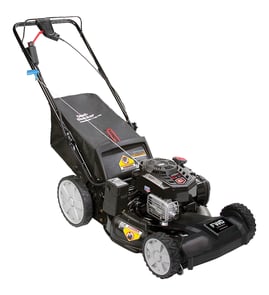
Gas walk-behind mowers like the Frigidaire PP6N22SHA are gradually being phased down in some areas because of emissions and noise rules, but they are not disappearing everywhere at once. In many places, you can still buy, repair, and maintain gas mowers for years.
What “phased out” usually means
Most changes focus on new sales, not forcing you to stop using a mower you already own.
- Some states and cities restrict or plan to restrict sales of new gas-powered outdoor equipment
- Many areas have no restrictions, so gas models remain widely available
- Parts support typically continues long after sales trends shift
- Repairability is often better on gas mowers than on many low-cost electrics
What to do if you plan to keep your PP6N22SHA running
Keeping a gas mower reliable is mostly routine maintenance and replacing wear parts.
- Keep the blade sharp and balanced; replace it if bent or cracked
- Use fresh fuel and store it correctly between seasons
- Clean grass buildup under the deck to prevent corrosion and poor cutting
- Check fasteners and hardware after blade service
- Replace damaged blade mounting parts if you see wobble or vibration
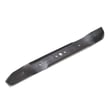
A common wear item on this model is the lawn mower blade 532406713.
Gas vs electric: quick comparison
| Feature | Gas walk-behind mower | Battery electric walk-behind mower |
|---|---|---|
| Runtime | As long as you have fuel | Limited by battery capacity |
| Maintenance | More (fuel, oil, tune-up) | Less (battery care, blade) |
| Power for thick grass | Typically strong | Varies by model |
| Noise and exhaust | Louder, exhaust present | Quieter, no exhaust |
Why it matters
If your area tightens rules on new gas mower sales, the smartest move is to maintain what you have and plan ahead. A sharp blade, clean deck, and secure blade hardware help your PP6N22SHA cut cleaner, run smoother, and last longer.
For blade service tips, we recommend how to sharpen a lawn mower blade.
Last updated: January 2026
Should I use 87 or 93 for lawn mower?
For the Frigidaire PP6N22SHA rotary lawn mower, we recommend using regular unleaded gasoline with a minimum of 87 octane (AKI). Using 93 octane will not improve power or reliability in a typical small 4-cycle mower engine; fresh, clean fuel matters more than higher octane.
What to use (and what to avoid)
- Use unleaded gasoline, 87 AKI or higher.
- Buy fuel in small quantities; gas can start going stale in about 30 days.
- Use fuel stabilizer if the mower will sit for more than a few weeks.
- Avoid old fuel, especially fuel stored in vented cans or exposed to heat.
- Avoid overfilling the tank; leave a little expansion space.
When 93 octane makes sense
Higher octane is mainly for engines designed for it (high compression). Most walk-behind mower engines are built to run on 87 AKI. If you are mowing at higher altitude and notice power loss, the fix is typically carburetor adjustment or proper maintenance, not premium fuel.
Quick comparison
| Fuel choice | OK to use? | What you get |
|---|---|---|
| 87 octane (regular) | Yes (recommended) | Correct performance for most small engines |
| 89 octane (mid-grade) | Yes | No meaningful benefit in most cases |
| 93 octane (premium) | Yes | Usually no added benefit; higher cost |
| Old gas (30+ days, untreated) | No | Hard starting, surging, stalling |
Why it matters
Using the right fuel helps prevent hard-starting, rough running, and carburetor varnish. If your PP6N22SHA starts surging or will not start after storage, fuel quality is one of the first things we check.
For starting issues that feel like a mechanical bind (rope will not pull), follow lawn mower pull cord stuck.
Last updated: January 2026
What are the most common issues with PP6N22SHA?
The most common problems we see on the Frigidaire PP6N22SHA rotary walk-behind mower are poor cutting quality (dull or loose blade), vibration (bent blade or worn adapter), and control or hardware issues (loose fasteners, worn knobs, or chute/height hardware out of position). These are usually straightforward inspections and part replacements.
Common symptoms and what they usually point to
- Uneven cut or ragged grass tips: blade is dull, installed upside down, or loose
- Excessive vibration: blade is bent, blade adapter is worn, or mounting hardware is loose
- Scalping or inconsistent height: wheel bracket is bent, height selector hardware is slipping
- Discharge chute not staying positioned: chute clip is weak or missing, spring tension is off
- Handle feels loose: handle knob is stripped or not tightening fully
Quick checks we recommend (before buying parts)
- Shut the engine off, disconnect the spark plug wire, and tip the mower safely (carburetor and air filter side up is typical).
- Inspect the blade for bends, cracks, and heavy nicks; replace if damaged.
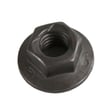
- Check the blade mounting stack for looseness and wear (adapter, washers, lock nut).
- Verify the deck hardware and height components are tight and not bent.
- Confirm the discharge chute moves freely and returns under spring tension.
Parts that commonly solve these issues
| Symptom | Likely part to inspect/replace | What it does |
|---|---|---|
| Poor cut, vibration | Lawn mower blade 532406713 | Provides the cutting edge; damage causes vibration and bad cut |
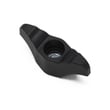
| Blade won’t stay tight, wobble | Lawn mower blade adapter 581547901 | Centers and drives the blade; wear causes wobble |
| Chute won’t stay in place | Lawn mower discharge chute clip 532161622 | Helps retain/secure the discharge chute hardware |
| Height problems | Wheel bracket 532407494 | Supports wheel position and cutting height geometry |
Why it matters
A mower that vibrates or cuts poorly can damage the crankshaft, loosen fasteners, and leave the lawn stressed and brown at the tips. Catching blade and adapter wear early keeps the PP6N22SHA running smoother and cutting cleaner.
Last updated: March 2026