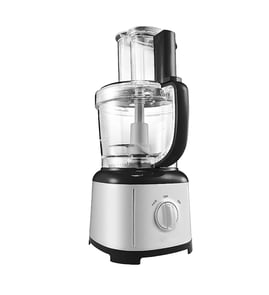



Are KitchenAid food processor parts interchangeable?
Some KitchenAid food processor parts are interchangeable, but we match parts by exact model number because bowl, lid, blade, and work bowl lock designs often change between series. For your KitchenAid KFP300WH, use the model-specific parts list to avoid fit and safety issues.
What is usually interchangeable (and what usually is not)
Interchangeability depends on the part type and how it interfaces with the base, bowl, and safety interlocks.
- More likely to interchange: small fasteners, some internal hardware, and certain base components
- Less likely to interchange: work bowl, lid, feed tube/pusher, discs, and blade assemblies
- Rarely interchangeable: parts tied to safety switches and bowl-lock geometry
How we recommend confirming fit for KFP300WH
Use the part ID and model match as your primary check, then compare photos and descriptions.
- Confirm your model number is KFP300WH (from the rating label)
- Match the replacement by part ID, not just a similar-looking photo
- If a part is listed for multiple models, it is typically designed to fit those models
- Avoid “close enough” swaps for bowls, lids, and blades; alignment and interlocks matter
- If you are replacing a stripped or missing fastener, match size and thread type exactly
Parts on this page that can help
Here are examples of model-listed parts you can use as known-good references for KFP300WH:
| Part name | Part ID | Typical use |
|---|---|---|
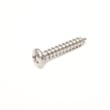
| Screw | WP681249 | Secures components to the housing/base |
| Base | 4176383 | Main housing that supports the motor and controls |
Related part pages: screw WP681249, base 4176383
Why it matters
Food processors rely on precise bowl and lid engagement for safe operation. Using a non-matching bowl, lid, or blade can prevent the unit from starting, cause leaks, or create unsafe vibration.
Last updated: February 2026
Does KitchenAid sell replacement parts?
Yes. For your KitchenAid KFP300WH food processor, we sell replacement parts through the parts list for this model, so you can match parts by model number and get the correct fit for your exact unit.
How to find the right replacement part
- Confirm the model number is KFP300WH (from the rating label on the base).
- Identify what is broken or missing (base, fasteners, drive components, etc.).
- Compare the part name and part ID to your symptom and the diagram callouts.
- Order the exact match to avoid fit and safety issues.
- If you are unsure, start with the most common wear items and visible hardware.
Parts we show for model KFP300WH on this page
| Part | What it’s for | When to replace |
|---|---|---|
| Screw WP681249 | Secures components to the housing/base | Stripped head, missing screw, loose assembly |
| Base 4176383 | Main housing that supports the motor and controls | Cracked housing, broken mounts, stability issues |
Why it matters
Food processors rely on tight tolerances for safe operation. Using the correct KitchenAid KFP300WH parts helps keep the bowl and attachments aligned, reduces vibration, and prevents damage to the motor base.
Before you order
- Unplug the food processor.
- Check for visible cracks, wobble, or missing fasteners.
- If the unit is unstable, inspect the base and mounting points first.
- For electrical issues, use safe testing practices and the right tools.
Last updated: February 2026
What are common KitchenAid problems?
Common KitchenAid problems depend on the product; for the KitchenAid KFP300WH food processor, the most frequent issues are the unit not starting (lid or bowl not locked), weak or intermittent power, leaking from the bowl, and excessive vibration or noise from a worn base or loose fasteners.
Most common symptoms (and what they usually mean)
- Won’t start: bowl and lid safety interlocks are not fully engaged
- Stops during use: overheating from heavy loads, or a loose power connection
- Leaking: overfilling, a mis-seated bowl, or a worn seal (if equipped)
- Excessive vibration: uneven countertop, dull/damaged blade, or a worn base
- Rattling noise: loose screws or a cracked/worn housing
Quick checks we recommend first
- Unplug the food processor for 2 minutes, then plug it back in.
- Re-seat the bowl and lid; rotate until you feel the lock fully engage.
- Reduce load size (thick doughs and dense mixtures can trip thermal protection).
- Inspect the cord and plug for damage; stop using it if you see cuts or exposed wire.
- Check for loose hardware on the housing and base.
Parts that commonly solve “loose, noisy, or unstable” complaints
If the machine vibrates, rattles, or feels unstable, these model-listed parts are the first places we look:
| Symptom | What to inspect | Model-listed part to consider |
|---|---|---|
| Rattling or looseness | Missing/loose fastener | Screw WP681249 |
| Excessive vibration or wobble | Cracked or worn bottom housing | Base 4176383 |
Why it matters
Food processors rely on safety interlocks and a stable base to run smoothly. When the bowl or lid is slightly out of position, the motor may not run at all; when the base or fasteners loosen, vibration increases and can damage internal components over time.
Last updated: February 2026