Owner’s manual
 View engine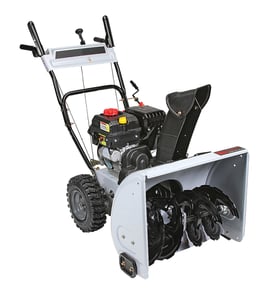



How to get rid of an old snowblower?
If you are getting rid of a Craftsman 247888301 gas snowblower, the safest approach is to drain fuel and engine oil first, then choose a disposal route that fits its condition: sell for parts, recycle as scrap metal, donate if it runs, or schedule bulky-item pickup.
Safe prep steps (do these first)
Before you move or dispose of any gas snow thrower, we recommend following the storage and fuel-handling guidance in the 247888301 operator's manual.
- Run the engine until it stops to empty the fuel system (or drain fuel into an approved container).
- Let the engine cool completely before transporting.
- Drain engine oil into a suitable container and take used oil to an oil recycling drop-off.
- Remove the ignition key and secure the machine so it cannot roll.
- Clean off packed snow, ice, and debris so it is safer to handle.
Best disposal option by condition
| Condition of snowblower | Best option | Notes |
|---|---|---|
| Runs and throws snow well | Donate or sell | Include model number 247888301 in your listing. |
| Runs but needs work | Sell as-is for parts/repair | Be clear about issues (auger, drive, chute, etc.). |
| Not running or heavily damaged | Scrap metal recycler | Many recyclers accept small engines after fluids are removed. |
| You cannot transport it | Junk removal or municipal pickup | Ask if they require fluids to be drained first. |
Where to take it
- City or county bulky-waste pickup (often scheduled)
- Scrap yard or metal recycling center
- Small-engine repair shop that accepts trade-ins (varies)
- Donation center (only if it is safe and functional)
Why it matters
Gasoline and used oil are hazardous; draining them helps prevent spills during hauling and keeps disposal compliant with common local environmental rules. It also protects your vehicle and reduces fire risk.
Last updated: January 2026
Where is the serial number on a snowblower?
On the Craftsman snow thrower model 247888301, the serial number is typically printed on the model and serial number ID label (a sticker or metal tag) mounted on the machine frame, most often near the rear of the unit around the handle or engine area. Use that serial number along with the model number when ordering parts.
Where to look first on model 247888301
Check these common ID-label locations (look for a rectangular label with multiple lines of numbers):
- Rear of the snowblower frame, behind the engine near the handles
- On the back of the auger housing (rear-facing surface)
- Side of the frame near the wheels or axle area
- Near the engine mounting plate or engine base
- On or near the handle support brackets
If the label is dirty or faded, wipe it with a damp rag and a little mild detergent; avoid scraping, which can remove the print.
What numbers you should write down
On Craftsman snowblowers, the ID label usually includes multiple identifiers. Here is what to capture for parts lookup.
| What you see on the label | What it’s used for | Example format |
|---|---|---|
| Model number | Identifies the exact machine version | 247.888301 or 247888301 |
| Serial number | Identifies your specific unit | Letters and numbers |
| Date code (if shown) | Helps identify production run | Varies |
For model 247888301, the operator’s manual also provides a place to record the model and serial number for future reference; see the 247888301 operator’s manual.
If you cannot find the label
If the ID label is missing or unreadable, we recommend:
- Check the rear frame and handle area again with a flashlight
- Look for a second label on the auger housing
- Inspect for a peeled-off corner or adhesive outline where a label used to be
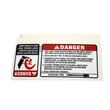
- If you need a replacement label, browse the compatible decals list for this model (for example, snowblower label 777D21062)
Why it matters
The model number gets you into the right parts diagram, but the serial number can help confirm the correct variation of parts (especially decals, controls, and hardware) when a model has multiple production runs.
Last updated: January 2026
How many years should a snowblower last?
A Craftsman snow thrower like model 247888301 typically lasts 15 to 20 years with normal residential use and consistent maintenance. Separately, the operator guidance for this model also references an average useful life of 7 years or 60 operating hours as a safety inspection milestone, not a hard failure date.
What to expect for model 247888301
The two “lifespan” ideas below are both useful, but they mean different things:
| Measure | What it’s used for | What it means for you |
|---|---|---|
| Typical ownership lifespan | Planning value and long-term reliability | Many gas snowblowers run 15 to 20 years when maintained |
| Average useful life (7 years / 60 hours) | Safety-focused inspection guidance | After that point, inspect the machine annually for wear and safe operation |
For the model-specific maintenance schedule and storage steps, use the 247888301 operator's manual.
Biggest factors that shorten (or extend) snowblower life
We see snowblowers last the longest when these basics are handled every season:
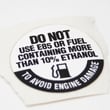
- Use fresh fuel and avoid storing fuel in the tank long-term
- Change engine oil on schedule and keep the oil at the correct level
- Keep shear pins, skid shoes, and the shave plate in good condition
- Clear packed snow safely (use the clean-out tool, not hands)
- Store the unit clean and dry; prevent rust on cables, springs, and bearings
Maintenance checkpoints that matter most
If you want the longest service life, prioritize these items:
- Oil changes: after the first 5 hours, then every season or about every 50 hours
- Spark plug: check seasonally; replace about every 100 hours
- Drive system: keep linkages adjusted; address slipping or intermittent drive early
- Wear items: replace before they damage other components
A quick refresher on seasonal upkeep is in how to make your snowblower last longer.
Why it matters
A snowblower usually “dies early” from preventable issues (stale fuel, neglected oil, worn belts, or rusted controls). Staying ahead of maintenance protects expensive assemblies like the auger drive and friction wheel system.
Last updated: January 2026