- Kenmore refrigerator water filters
- Whirlpool refrigerator water filters
- Samsung refrigerator water filters
- GE refrigerator water filters
- LG refrigerator water filters
- Frigidaire refrigerator water filters
- KitchenAid refrigerator water filters
- Maytag refrigerator water filters
- Kenmore Elite refrigerator water filters
- Estate refrigerator water filters
- GE Profile refrigerator water filters
- Amana refrigerator water filters
- Bosch refrigerator water filters
- Dacor refrigerator water filters
- Electrolux refrigerator water filters
Top DIY repair help
View All Repair Categories
Appliances
Lawn & Garden
Power Tools
Home Improvement
Sports & Leisure
Heating & Cooling
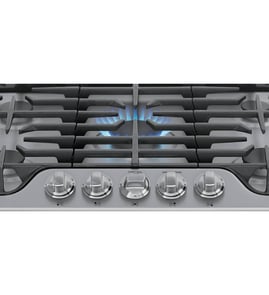
KitchenAid Cooktop Parts — Browse All Models
KitchenAid cooktops are engineered for performance and durability in the heart of your kitchen. When your cooktop isn’t heating, igniting, or performing like it used to, finding the right replacement part helps restore dependable cooking. At Sears PartsDirect you can enter your model number in the search bar to quickly narrow parts to those compatible with your specific KitchenAid cooktop, or browse the full list of models if you need to explore. Clear parts diagrams make it easier to identify components and order genuine OEM replacements designed for your appliance.


KitchenAid KECS130SWH0 electric cooktop
 Error Codes
KitchenAid KECG2240 electric cooktop

 Installation guide
 Owner’s manual

Frequently bought KitchenAid parts
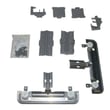
Dishrack Adjuster Kit - Dishwasher Rack Component By Whirlpool
In Stock
$40.47
13% OFF Phone Price : $46.47

Qty

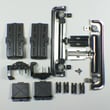
Dishrack Adjuster Kit (w10712394) - Dishwasher Rack Component By Whirlpool
In Stock
$38.64
13% OFF Phone Price : $44.64
Qty
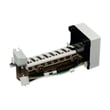
Whirlpool Refrigerator Ice Maker Assembly
In Stock
$105.13
10% OFF Phone Price : $117.13
Qty
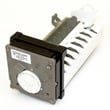
Whirlpool Refrigerator Ice Maker (d7824706q)
In Stock
$98.80
11% OFF Phone Price : $110.80
Qty
Dryer Heating Element Wire Kit
In Stock
$10.72
16% OFF Phone Price : $12.72
Qty
Dishwasher Circulation Pump-to-sump Hose
In Stock
$42.54
12% OFF Phone Price : $48.54
Qty
Popular maintenance items for Cooktops
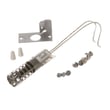
G.e. Kenmore Range Oven Burner Igniter
In Stock
$83.29
7% OFF Phone Price : $89.29
Qty
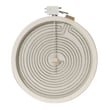
G.e. Range Halogen Surface Element
In Stock
$199.96
6% OFF Phone Price : $211.96
Qty
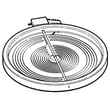
G.e. Range Dual Radiant Surface Element, 6 To 9-in
In Stock
$115.14
9% OFF Phone Price : $127.14
Qty
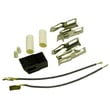
Range Surface Element Receptacle
In Stock
$9.63
9% OFF Phone Price : $10.63
Qty
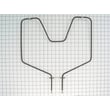
G.e. Range Bake Element
In Stock
$41.01
20% OFF Was : $51.01
Qty
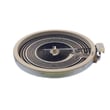
G.e. Range Triple Radiant Surface Element
In Stock
$190.43
13% OFF Was : $219.03
Qty
Troubleshooting common KitchenAid cooktop problems
KitchenAid cooktops — whether electric, gas, or induction-ready — have their own features and quirks. These common symptoms can help you understand what your cooktop is doing before replacing parts.
Cooktop not working at all
If nothing responds when you turn on the cooktop — no glow on elements or no ignition at the burners — the issue may involve the power supply, internal wiring, or a safety cutoff interrupting operation. Reviewing causes for a cooktop not working at all can help you narrow down your checks.
Surface element won’t heat or heats unevenly
On electric KitchenAid cooktops, a zone that remains cool or heats inconsistently can point to a failing surface element, a loose connection, or a control issue affecting power delivery to that element. Symptoms like a cooktop surface element doesn’t heat often relate directly to these causes.
Gas burners won’t ignite or spark
For KitchenAid gas cooktops, burners that fail to light or do not produce flames when the controls are turned may indicate worn ignition parts or switches that are not triggering properly. A symptom like cooktop gas burners won’t ignite or spark can help you pinpoint likely causes.
Commonly replaced KitchenAid cooktop parts
Once troubleshooting points to a likely issue, these parts are commonly replaced in KitchenAid cooktops.
- Surface element: Supplies heat on electric models; worn or broken elements can lead to weak or uneven heating.
- Igniter switch: Triggers spark on gas cooktops; failure here may prevent burners from lighting.
- Spark module: Distributes voltage to each igniter; issues can affect multiple burners at once.
- Control knob: Allows precise adjustment of heat levels; worn knobs may not engage controls properly.
- Glass cooktop: Cracks or damage can interfere with heat transfer and safe operation on smooth-top models.
Why use Sears PartsDirect for your KitchenAid cooktop parts
Sears PartsDirect helps you find the right KitchenAid cooktop parts with OEM replacements designed to fit your specific model. Parts diagrams clearly show how components fit together, making it easier to identify exactly what you need before ordering. Model-based compatibility tools help reduce guesswork, so you can order with confidence.
KitchenAid cooktop FAQs
Why does my KitchenAid cooktop heat up faster than other models?
Many KitchenAid cooktops are designed with high-output elements or burners that reach cooking temperature quickly. This fast response is normal, but if heat output suddenly changes, it could indicate a worn part or control issue.
Why does one burner heat differently than the others?
KitchenAid cooktops may include burners or elements with different output levels for specific cooking tasks, such as simmering or high-heat searing. If performance changes suddenly rather than by design, testing the element or gas valve can help determine whether a part needs replacement.
My burners click repeatedly before lighting, is that normal?
Clicking during ignition is normal on gas models, but persistent clicking that doesn’t result in a flame often points to ignition parts like the igniter switch or spark module needing inspection and possible replacement.
Can I still use my cooktop if the glass surface is cracked?
Using a cooktop with cracked glass is not recommended. Cracks can spread with heat and affect both performance and safety, so replacing the glass surface helps restore proper operation and reduces risk.
Why does my KitchenAid electric cooktop take longer to heat than expected?
Over time surface elements can lose efficiency, leading to slower heat-up times. Testing elements with a multimeter helps confirm whether they still have proper continuity and may need replacement.
Parts & More
Electric Water Heater
Freestanding Freezer
Front-Engine Lawn Tractor
Grass Catcher Attachment
Lawn Edger
Outdoor Grill
Parts
Riding Mowers & Tractors
Tiller
Top-Mount Refrigerator
Treadmill
Vhs Camcorder
Water Softener
Weight System
Wet/Dry Vacuum