- Kenmore refrigerator water filters
- Whirlpool refrigerator water filters
- Samsung refrigerator water filters
- GE refrigerator water filters
- LG refrigerator water filters
- Frigidaire refrigerator water filters
- KitchenAid refrigerator water filters
- Maytag refrigerator water filters
- Kenmore Elite refrigerator water filters
- Estate refrigerator water filters
- GE Profile refrigerator water filters
- Amana refrigerator water filters
- Bosch refrigerator water filters
- Dacor refrigerator water filters
- Electrolux refrigerator water filters
Top DIY repair help
View All Repair Categories
Appliances
Lawn & Garden
Power Tools
Home Improvement
Sports & Leisure
Heating & Cooling
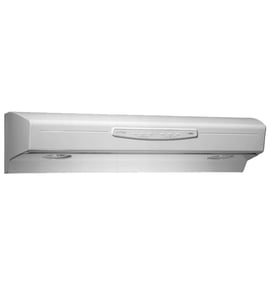
Kenmore Range hood Parts — Browse All Models
Finding the right Kenmore range hood parts is easy when you have clear diagrams and reliable OEM components to back you up. At Sears PartsDirect, you can match your Kenmore model to the exact replacement parts needed to solve issues with lighting, airflow or electrical operation. Whether your hood is noisy, losing suction or refusing to turn on, our DIY repair resources and troubleshooting tips make it easier to pinpoint the problem so you can order with confidence.

Frequently bought Kenmore parts
Kenmore Refrigerator Water Filter 9690 (agf80300801)
In Stock
$93.59
6% OFF Phone Price : $99.59

Qty

Lg Refrigerator Filter Dryer
In Stock
$108.25
10% OFF Phone Price : $120.25
Qty
Drain Pump Motor (4681ea2001t) - Washer Part By Lg Electronics
In Stock
$43.13
12% OFF Phone Price : $49.13
Qty
Lg Refrigerator Compressor
In Stock
$616.58
$12.00 OFF Phone Price : $628.58
Qty
Whirlpool Dryer Drum Belt, 92-1/4-inch
In Stock
$10.01
17% OFF Phone Price : $12.01
Qty
Frigidaire Range Oven Burner Igniter
In Stock
$21.50
22% OFF Phone Price : $27.50
Qty
Popular maintenance items for Range Hoods
Broan Range Hood Grease Filter, 2-pack
In Stock
$64.94
8% OFF Phone Price : $70.94
Qty
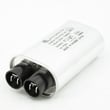
Microwave High-voltage Capacitor
In Stock
$119.86
9% OFF Phone Price : $131.86
Qty
Refrigerator Screw
Part #WP489483
This item is not returnable
In Stock
$9.76
9% OFF Phone Price : $10.76
Qty
Appliance Screw, 10-16 X 1/2-in
Part #WP681414
This item is not returnable
In Stock
$4.91
17% OFF Phone Price : $5.91
Qty
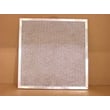
Range Hood Grease Filter
In Stock
$55.71
10% OFF Phone Price : $61.71
Qty
Broan Range Hood Grease Filter
In Stock
$57.43
9% OFF Phone Price : $63.43
Qty
Troubleshooting common Kenmore range hood problems
Fan not working
A fan that doesn’t work often points to a power interruption or a failing motor. Try adjusting the speed settings to see whether anything responds. When the blower remains silent through all settings, the fan switch or wiring may be the issue.
Lights not working
When the lights don’t work, fresh bulbs are the first thing to test. Light sockets can discolor or warp from heat, and worn switches or loose wires can interrupt the circuit, leaving the hood in the dark.
Noisy or vibrating operation
Rattling, humming or vibration usually indicates something loose inside the hood. An exhaust fan that is noisy may have an imbalanced blower wheel, restricted airflow or a motor struggling to turn at full speed. Tightening hardware and cleaning filters often reduces the noise.
Poor ventilation or weak airflow
A hood that struggles to clear steam or smoke typically has blocked airflow or worn components. When the fan isn’t pulling much air, saturated grease filters or a partially blocked duct are common culprits. A weakening fan motor can also make airflow noticeably weaker.
Commonly replaced Kenmore range hood parts
Kenmore range hoods rely on several components that can wear out over time due to heat, grease and regular use. These are among the most frequently replaced parts.
- Grease filters: These capture grease and protect the blower system. Once they clog, swapping in clean filters helps restore proper ventilation.
- Fan motor: A slow, noisy or unresponsive blower often traces back to a weakening motor. Installing a new fan motor typically brings back full airflow.
- Fan switch: Inconsistent speed control often means the switch contacts have worn down. Putting in a new fan switch restores smooth operation across all settings.
- Light socket: Heat exposure can deform or discolor the socket, preventing bulbs from seating correctly. Replacing the light socket typically restores steady lighting.
- Control board: When the hood behaves erratically or the buttons stop responding, installing a new control board usually solves the issue.
Why use OEM Kenmore range hood parts
OEM Kenmore parts match your model’s original specifications, giving you the right fit and dependable performance. Sears PartsDirect provides detailed diagrams and repair help so you can identify the exact component you need. Using genuine parts helps your range hood maintain strong airflow, reliable lighting and consistent day-to-day operation.
Kenmore range hood FAQs
Why isn’t my Kenmore range hood fan working?
A fan that doesn’t work may have a tripped breaker, worn switch or failing motor. Checking the power source and then cycling through fan speeds can help reveal which part is not responding.
Why are the lights on my Kenmore range hood not turning on?
When the lights don’t work, the issue is often the bulb, socket or switch. Heat damage and loose wiring are also common reasons the lighting circuit stops working.
Why is my Kenmore range hood making noise or vibrating?
An exhaust fan that is noisy may have a loose blower wheel, blockages in the airflow path or a motor that is wearing out. Cleaning filters and tightening hardware often reduces noise.
What causes weak suction or poor airflow in a Kenmore range hood?
When the fan isn’t pulling much air, dirty filters, clogged ducts or a weakening motor are typical causes. Clearing airflow restrictions usually improves performance.
Why won’t my Kenmore range hood turn on at all?
A hood that stays unresponsive may have lost power or developed a wiring problem. When the hood doesn’t work at all, the control board may also be preventing the system from powering on.
Why are the controls or switches on my Kenmore hood not responding?
Worn switch contacts, moisture exposure or a failing control board often lead to unresponsive controls. When certain settings stop working or buttons feel loose, installing a new switch or board typically resolves the issue.
Parts & More
Bottom-Mount Refrigerator
Dryer
Exercise Cycle
Front-Engine Lawn Tractor
Gas Walk-Behind Mower
Parts
Side-By-Side Refrigerator
Slow Cooker
Top-Mount Refrigerator
Water Softener