Owner’s manual

How do I find my compressor model number?
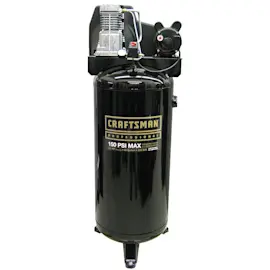
Your Craftsman air compressor model number is printed on the unit’s serial/model label (often on the tank or frame). For model 92116472-2012, match the full model number on that label to the number shown in your owner's manual so you’re using the correct parts list and specifications.
Where to look on the compressor
Check these common label locations first:
- On the air tank near the drain valve area
- On the frame/base rail near the motor or pump
- Near the pressure switch cover or control panel area
- On the rear side of the tank (opposite the gauges)
- On a sticker or metal plate riveted to the tank
What to write down (and why)
Record the information exactly as shown on the label.
| Label item | Example | Why it matters |
|---|---|---|
| Model number | 92116472-2012 | Ensures correct parts diagrams and specs |
| Serial number | (varies) | Helps identify production run details |
| Voltage/amperage | (varies) | Confirms electrical requirements and circuit needs |
Tips to avoid mix-ups
- Copy the entire model number including dashes (for example, 92116472-2012).
- If the label is worn, take a clear photo and zoom in to confirm characters.
- Use the model number (not the tank size or horsepower marketing description) when searching parts.
Why it matters
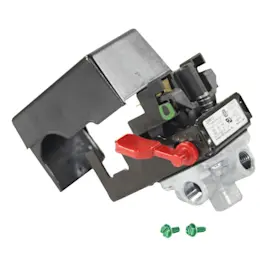
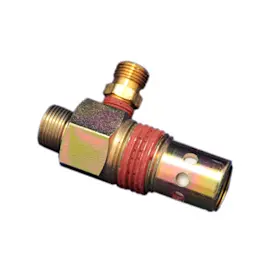
Air compressor parts and specifications can change between similar-looking units. Using the exact model number helps us match the correct pressure switch, gauges, check valve, and pump components listed for your Craftsman 92116472-2012.
Last updated: February 2026
Is a 150 PSI air compressor good for car tires?
Yes. A 150 PSI Craftsman air compressor like model 92116472-2012 is a solid choice for inflating car tires because typical passenger tires only need around 30 to 45 PSI; you use the regulator to dial the outlet pressure down to the tire’s required PSI. For faster fills and for air tools, CFM matters as much as PSI.
What PSI and CFM mean for tire inflation
For tires, you mainly need enough maximum PSI so the compressor can build tank pressure and still deliver regulated air at the lower PSI you set.
- PSI (pressure): how much force the air has
- CFM (airflow): how much air volume the compressor delivers
- Regulator: lets you set outlet pressure below tank pressure
- Cut-in/cut-out: the pressure switch restarts and stops the motor automatically
- Tank size: affects how often the motor cycles while you inflate
| Use case | What matters most | Practical takeaway |
|---|---|---|
| Inflate passenger car tires | Regulated PSI control | 150 PSI max is more than enough; set regulator to target PSI |
| Inflate larger tires (LT, some trailer) | CFM + tank size | Higher CFM fills faster; you may wait for recovery |
| Run air tools (impact, die grinder, paint) | CFM at tool PSI | Check the tool’s CFM requirement; many tools need more CFM than small compressors provide |
Safe setup tips (important)
Our 92116472-2012 manual emphasizes regulating outlet pressure and checking accessory ratings.
- Set the regulator so outlet pressure never exceeds the tire inflator or accessory rating
- Bleed pressure from the hose before swapping chucks or accessories
- Use a properly grounded outlet and a dedicated circuit for best starting
- Avoid extension cords when possible; plug directly into a grounded wall socket
- Let the pump and fittings cool before touching them
Why it matters
Using a compressor with plenty of maximum PSI gives you stable regulated pressure for tire inflation, but CFM determines how quickly the tire reaches the target PSI and how often you pause while the tank recovers.
For model-specific operating and safety details (regulator use, cut-in/cut-out behavior, electrical guidance), follow the owner's manual.
Last updated: February 2026
What is the average lifespan of an air compressor?
Most homeowner-grade air compressors like the Craftsman 92116472-2012 typically last 10 years with normal DIY use and basic maintenance. Lifespan is driven more by moisture control, electrical health, and leak-free operation than by age alone; consistent care keeps the pump, pressure switch, and tank working reliably.
Typical lifespan by compressor type
These ranges help set expectations when comparing an oil-free portable unit to heavier-duty shop equipment.
| Compressor type | Typical lifespan | Common use case |
|---|---|---|
| Oil-free portable (pancake/hot dog) | 10 years | DIY, intermittent tools |
| Oil-lubricated portable/shop | 15 years | Frequent home shop use |
| Rotary screw (shop/industrial) | 20 years | Continuous duty |
What shortens lifespan fastest
From a reliability standpoint, these are the most common life-reducers we see across air compressors.
- Water left in the tank; internal corrosion accelerates quickly
- Running on an overloaded circuit; repeated hard starts overheat the motor
- Air leaks at fittings, regulator, or check valve; longer run time wears the pump
- Dirty intake/filter area; debris increases pump stress
- Ignoring safety valve and pressure switch issues; pressure control becomes unreliable
Maintenance that adds years (especially for oil-free models)
Your Craftsman 92116472-2012 manual emphasizes moisture control and routine checks. Use the owner's manual for the exact procedure and locations.
- Drain tank moisture at the end of every workday (daily if used daily)
- Pull the tank safety valve ring daily to confirm it operates smoothly
- Use a dedicated electrical circuit for best starting and fewer overload trips
- Avoid extension cords; voltage drop causes sluggish starts and overheating
- Keep the unit stable and well-ventilated; heat is a motor and pump killer
Why it matters
Air compressor “end of life” is usually a performance problem first: longer fill times, frequent cycling, or inability to reach cut-out pressure. Catching leaks and draining condensation early protects the tank and reduces pump run time, which is the biggest driver of wear.
If your unit is struggling to start or build pressure, use our DIY troubleshooting for air compressor won't start and air compressor won't build tank pressure.
Last updated: February 2026
What does 4.0 SCFM at 90 PSI mean?
4.0 SCFM at 90 PSI means your Craftsman air compressor model 92116472-2012 can deliver about 4.0 standard cubic feet of air per minute while maintaining 90 PSI at the outlet. It is a real-world airflow rating that helps you match the compressor to air tools that require steady air volume at working pressure.
How to use SCFM and PSI to pick the right tool
When you compare tools to your compressor, focus on the tool’s required SCFM at 90 PSI (or at its stated working PSI).
- SCFM (airflow) is the “how much air” number; higher SCFM runs bigger tools longer.
- PSI (pressure) is the “how hard the air pushes” number; most shop tools are rated around 90 PSI.
- If the tool’s required SCFM is higher than 4.0 at 90 PSI, the compressor will run constantly and pressure will drop.
- If the tool’s required SCFM is lower, the compressor will cycle normally and keep up.
- Tank size helps with short bursts, but SCFM determines continuous performance.
Quick comparison: what the rating tells you
| Spec on the label | What it represents | What you should compare it to |
|---|---|---|
| 4.0 SCFM | Air volume delivered (standardized) | Tool’s SCFM requirement |
| 90 PSI | Pressure level used for the rating | Tool’s rated operating PSI |
Why “standard” matters
SCFM is measured under standardized conditions so you can compare different compressors more fairly. In the glossary of your owner's manual, CFM is defined as cubic feet per minute, and PSI as pounds per square inch.
Related specs that affect performance on 92116472-2012
Your manual also lists operating pressure behavior using cut-in and cut-out pressure (when the motor restarts and stops). That cycling is normal; if the compressor cannot keep up with demand, you will notice longer run times and falling outlet pressure.
If you are troubleshooting low airflow or slow pressure build, use our DIY guide: air compressor won't build tank pressure.
Last updated: February 2026
What is the most common cause of air compressor failure?
The most common cause of air compressor failure on a Craftsman 92116472-2012 is neglected maintenance that leads to overheating, restricted airflow, and accelerated wear. Simple routine steps like draining the tank daily and keeping the intake filter clean prevent many no-start, low-pressure, and premature pump problems (see the owner's manual).
Most common failure drivers (and what they look like)
- Restricted air intake (dirty/clogged filter): low pressure, slow fill, hot-running pump
- Moisture left in the tank (corrosion risk): tank leaks, contaminated air, stuck valves
- Overheating from heavy use: motor overload trips; needs cool-down and reset
- Air leaks at fittings/hoses: compressor runs longer, struggles to reach cut-out pressure
- Electrical supply issues (shared circuit, low voltage, extension cord): hard starting, breaker trips
Quick prevention checklist for this model
Use these habits to reduce breakdowns and extend pump and motor life:
- Drain the tank daily to remove moisture
- Pull the safety valve ring daily to confirm the valve operates freely
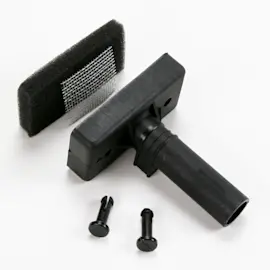
- Inspect and clean or replace the intake filter (more often in dusty areas)
- Avoid extension cords; plug into a grounded outlet on a dedicated circuit
- Let the motor cool 10 to 15 minutes after an overload trip before pressing reset
Troubleshooting map: symptom to likely cause
| Symptom | Most likely cause | What to do first |
|---|---|---|
| Won’t start | Overloaded circuit or low voltage | Use a dedicated outlet; avoid extension cords |
| Low pressure / not enough air | Restricted intake or air leak | Clean/replace filter; soap-test fittings |
| Runs a long time, gets hot | Excessive air demand or leaks | Reduce demand; fix leaks |
| Air leaks after shutoff | Valve/bleeder issue | Check for leak source; service as needed |
Why it matters
Heat, moisture, and restricted airflow are the fastest ways to shorten the life of an air compressor. On the 92116472-2012, the manual specifically calls out daily tank draining and filter care as core maintenance, and it also notes that overload trips often trace back to power supply and cooling issues.
Related DIY help
Last updated: February 2026