




What is the life expectancy of a GE washing machine?
A GE washing machine typically lasts 10 to 14 years. For your GE GTW490ACJ8WS top-load washer, lifespan depends most on load size, cycle frequency, water quality, and keeping wear items (like suspension and drain components) in good shape.
Typical lifespan and what changes it
Most washers reach the end of life due to repeated stress on the drive system, tub support, and water handling parts.
- Longer life: balanced loads, correct detergent amount, routine cleaning
- Shorter life: frequent oversized loads, chronic out-of-balance spinning, hard water buildup
- Big impact items: suspension, drain pump, belt, clutch, lid lock
Maintenance that adds years (practical checklist)
- Keep loads evenly distributed; mix large and small items.
- Avoid packing the basket tight; overloading strains the drive belt and clutch.
- Run a monthly cleaning cycle (hot water and a washer cleaner) to reduce residue and odor.
- Check pockets; coins and debris can damage the drain pump.
- Inspect fill hoses and the drain hose for kinks and leaks.
Parts that commonly affect “end of life” symptoms
If the washer is otherwise in good condition, replacing a few common wear parts often restores performance.
| Symptom | Common cause | Example part for GTW490ACJ8WS |
|---|---|---|
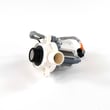
| Won’t drain or drains slowly | Clogged or failing pump | GE washer drain pump assembly WH23X28418 |
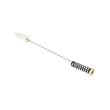
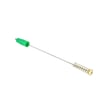
| Excessive shaking or banging | Worn suspension | Washer suspension rod and spring assembly WH16X26911 |
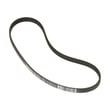
| Won’t spin or has weak agitation | Drive system wear | Washer drive belt WH01X24180 |
Why it matters
Knowing the typical 10 to 14 year range helps you decide whether to maintain, repair, or replace. If your GTW490ACJ8WS is under 10 years old and the tub and cabinet are solid, fixing a drain, spin, or vibration issue is often the most cost-effective path.
Last updated: February 2026
Does a GE washer have a filter that needs to be cleaned?
Yes. For the GE GTW490ACJ8WS top-load washer, there is no routine, customer-accessible “lint filter” like many front-load models; instead, we focus on preventing drain clogs by keeping pockets clear and maintaining the drain path so the drain pump can move water out reliably.
What you should clean and check on this model
- Empty pockets before washing (coins, hair pins, screws are common clog causes).
- Check the standpipe or laundry sink for slow draining (a plumbing restriction can mimic a washer problem).
- Inspect the drain hose for kinks, crushing, or a clogged hose end.
- If the washer won’t drain or drains slowly, check for debris at the pump area; a blocked pump acts like a “dirty filter.”
When a “filter issue” is really a drain pump problem
If you see water left in the tub, hear humming during drain, or get intermittent draining, debris may be stuck in the pump impeller. On GTW490ACJ8WS, the fix is often clearing the obstruction or replacing the pump.
Common part to check/replace: GE washer drain pump assembly WH23X28418
| Symptom | Most likely area | What we do next |
|---|---|---|
| Won’t drain, tub full | Drain pump or blockage | Check hose and pump for debris; replace pump if seized |
| Drains slowly | Partial blockage | Clear hose/standpipe; inspect pump inlet |
| Drains but leaves debris | Drain path restriction | Verify hose routing and standpipe flow |
Why it matters
A restricted drain path can cause poor rinsing, odors, longer cycle times, and repeated no-drain conditions. Keeping the drain system clear protects the pump, control, and cycle performance.
Helpful model-specific troubleshooting
If your washer is showing an error code related to draining or lid lock, use our GE guides to narrow it down before buying parts: GE gtw top load washer error codes
Last updated: February 2026
What is the difference between 4.5 cu ft and 5.0 cu ft washer?
A 5.0 cu ft washer has 0.5 cu ft more tub volume than a 4.5 cu ft washer (about 11% more space). That extra capacity mainly reduces the number of loads you run and makes bulky items easier to wash without overfilling; it is not a GTW490ACJ8WS-SPECIFIC feature.
What the extra 0.5 cu ft changes
- Fits bulky items with more room to circulate (comforters, blankets, towel loads)
- Lets you combine loads more often (fewer total cycles)
- Reduces the temptation to pack the tub too tightly
- Can improve balance on large loads when items are distributed evenly
- May use slightly more water and energy per cycle if you choose deep fill or heavy soil options
Quick comparison
| Item | 4.5 cu ft washer | 5.0 cu ft washer |
|---|---|---|
| Tub volume | Large capacity | Extra-large capacity |
| Best for | Most households, everyday mixed loads | Bulky bedding, large families, fewer loads |
| Common mistake | Overloading bulky items | Running tiny loads (less efficient) |
How we recommend choosing
- If you wash bulky bedding weekly, choose 5.0 cu ft.
- If most loads are everyday clothes, 4.5 cu ft is the better fit.
- If your priority is efficiency, avoid oversizing; match capacity to your typical load.
- If you are comparing models because of shaking or out-of-balance issues, loading technique matters more than tub size.
Why it matters
Capacity affects cleaning and wear. When the tub is packed too full, clothes cannot move freely; cleaning suffers and vibration increases, which can stress suspension and drive components. If your washer is banging or walking, worn suspension parts like the washer suspension rod and spring assembly WH16X26911 are a common repair on many GE top-load designs.
Last updated: February 2026


