Owner’s manual



Is it worth fixing a gas grill?
Yes, it’s usually worth fixing a Kenmore gas grill model 41523665310 when the firebox and frame are solid and the problem is limited to common wear parts (ignition, burners, grease handling). If the cookbox is rusted through or structurally failing, replacement is the better value.
Quick decision checklist
- Fix it if the grill lights but heats unevenly, won’t ignite reliably, or has flare-ups tied to grease buildup.
- Fix it if the repair is a burner, igniter, carryover tube, or grease tray type issue.
- Replace it if the firebox has holes from rust, the lid or base is badly warped, or the cart/frame is unstable.
- Replace it if multiple major systems are failing at once (burners, valves, regulator, and structure).
- Fix it if you can restore safe operation by following the 41523665310 owner’s manual.
Common “worth fixing” problems on gas grills
Many grill failures are inexpensive, parts-based repairs:
| Symptom | Most common cause | Typical fix approach |
|---|---|---|
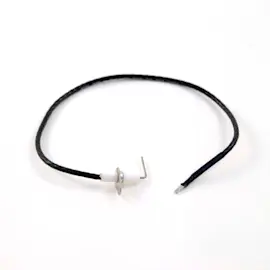
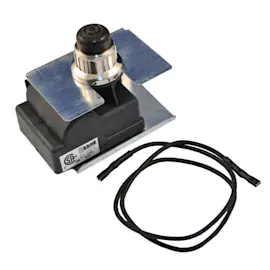
| Won’t ignite (but gas is on) | Weak ignition spark, dirty electrode, wiring issue | Inspect igniter system; replace igniter if needed |
| Low heat (stuck around 250°F to 300°F) | Regulator safety feature triggered | Reset lighting sequence; open LP tank valve first |
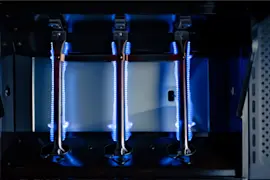
| Uneven heating | Clogged burner ports, damaged burner, heat distribution issues | Clean burners; replace burner if rusted through |
| Flare-ups | Excess grease buildup, missing/damaged heat distribution parts | Clean firebox; verify flame tamers are in place |
Safety and performance items that affect the decision
The manual calls out several conditions that directly impact safety and cooking results:
- Don’t use charcoal, lava rock, or briquettes in this grill; it can cause poor combustion and increase grease-fire risk.
- Check hoses for cuts or wear before each use; replace damaged hoses before using the grill.
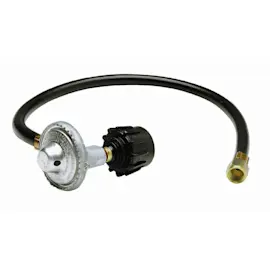
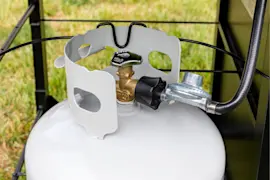
- If the grill won’t get hotter than about 250°F to 300°F, the regulator safety feature may be activated by turning on burner knobs before opening the LP tank valve.
Why it matters
A repair is only “worth it” if it restores safe ignition, stable flame, and predictable heat. Replacing wear parts and cleaning the burner and grease areas typically brings performance back without the cost of a new grill.
Last updated: January 2026
How to find Kenmore Grill model number?
For Kenmore gas grill model 41523665310, the model number is printed on the grill’s rating label. On grills like this, the label is typically on the back of the grill base or inside the cabinet area; use the 41523665310 owner's manual to confirm the exact label location and what information to record.
Where to look on the grill
Check these common spots first (use a flashlight and wipe off grease so the print is readable):
- Back panel of the grill base (rear of the cart)
- Inside the cabinet (on an inner side wall or back wall)
- Under the control panel area (sometimes on a side panel)
- Near the LP tank mounting area (on the cart frame)
What to write down (and why)
Record the details exactly as printed so we can match the correct Kenmore parts list and diagrams.
- Model number (example shown in the manual: 415.23665310, often printed with dots)
- Serial number (used to identify production run details)
- Item number (sometimes listed separately on the label)
- Date purchased (helpful for warranty and service history)
Why it matters
Kenmore grills often have similar-looking lids, burners, and igniters across different series. Using the correct model number helps ensure you get the right replacement parts, such as a main burner, carryover tube, or igniter that fits and lights safely.
Quick label format guide
| Label field | What it means | How to use it |
|---|---|---|
| Model | Identifies the exact grill version | Use this to look up parts and the manual |
| Serial | Identifies the specific unit | Helpful for support and service |
| Item | Retail or internal identifier | Useful if model is hard to read |
Last updated: January 2026
Are Kenmore grills good quality?
Kenmore grills are built for dependable outdoor cooking when they’re assembled correctly and maintained regularly. For Kenmore model 41523665310, the manual emphasizes routine cleaning, proper storage, and burner maintenance to help the grill perform well for years; the warranty also reflects long-term support for key components like burners.
What “good quality” means for this grill
Quality shows up most in how consistently the grill lights, heats evenly, and holds up to weather and grease.
- Heats and cooks more consistently when burners and venturi tubes are kept clean
- Fewer flare-ups when grease management parts are cleaned on schedule
- Better long-term appearance when stainless and painted surfaces are cleaned correctly
- Longer burner life when you prevent corrosion and spider or insect blockage
- Safer operation when you follow outdoor-use and storage guidance
Maintenance that protects performance
The fastest way to keep a Kenmore gas grill cooking like it should is to follow the cleaning and storage steps in the 41523665310 owner's manual.
- Clean cooking grates regularly; avoid cleaning while the grill is hot
- After using a bristle brush, check that no loose bristles remain on cooking surfaces
- Wash painted surfaces with mild detergent and warm water; wipe dry with a soft cloth
- Clean stainless surfaces with mild detergent and warm water; use a plastic pad only for baked-on grease (with the grain)
- Store the grill in a dry location; cover it if stored outdoors
Warranty snapshot (what it tells you about durability)
This model’s warranty coverage highlights which parts are expected to last with normal use.
| Item | Coverage type | What it suggests |
|---|---|---|
| Grill overall | 1-year limited warranty | Standard coverage for defects in materials/workmanship |
| Burners | 10-year replacement if rusts through | Burners are designed for long service life |
| Ignitor batteries and paint finish | Excluded | These are treated as wear items |
When “quality issues” are really worn parts
If lighting or heating becomes inconsistent, it’s often a maintenance or replaceable-part issue, not the whole grill.
Common examples:
- Weak or no ignition spark: check battery, electrode condition, and wiring
- Uneven heat: clean burner ports and flame tamers
- Grease flare-ups: clean the grease tray and drip area
Helpful DIY reference: gas grill wont ignite or light video
Why it matters
A gas grill’s real-world quality depends heavily on burner cleanliness, grease control, and weather protection. Keeping those areas in shape improves cooking results, reduces flare-ups, and extends the life of core parts.
Last updated: January 2026