
How much does it cost to replace a 60,000 BTU furnace?
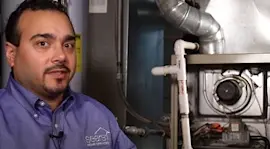
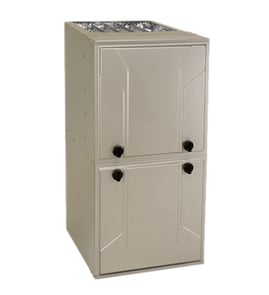
Replacing a 60,000 BTU furnace (similar in size to many Coleman Evcon furnace setups like model DGAT056BDC) typically costs about $3,500 to $8,500 installed, depending on efficiency level, venting changes, and labor in your area.
What drives the total replacement cost
A furnace replacement price is usually a bundle of equipment plus installation work. The biggest cost drivers are:
- Furnace efficiency (AFUE): higher-efficiency units cost more and may require different venting.
- Venting and combustion air: PVC venting, chimney liner work, or intake piping can add cost.
- Gas line and shutoff updates: resizing, sediment trap, or code-related changes.
- Electrical and controls: new disconnect, wiring repairs, thermostat compatibility.
- Ductwork condition: sealing, transitions, or return-air improvements.
- Permits and inspections: varies by city and county.
Typical price ranges (what you usually see)
These ranges are common for a 60,000 BTU class gas furnace replacement.
| Replacement scenario | What it usually includes | Typical installed cost |
|---|---|---|
| Like-for-like standard efficiency | Minimal venting changes, basic hookups | $3,500 to $5,500 |
| Mid to high efficiency upgrade | New venting/condensate routing, more labor | $5,500 to $8,500 |
| Complex install | Duct, vent, gas, or electrical modifications | $7,500 to $12,000 |
Quick checklist before you price it out
These items help you compare quotes accurately and avoid surprise add-ons:
- Confirm the BTU size and airflow needs (oversizing can cause short cycling).
- Ask whether the quote includes new venting and condensate drain (if applicable).
- Verify whether a new thermostat is required.
- Check if the installer is including a new filter rack or return-air fixes.
- Make sure permits and startup testing (combustion check, temperature rise) are included.
Why it matters
A 60,000 BTU furnace replacement is not just swapping a box. Efficiency level, venting, and duct compatibility affect comfort, safety, and operating cost. Getting the sizing and installation details right usually matters more than the brand name.
Helpful DIY reading (for understanding quotes and wiring)
If you are troubleshooting related electrical issues (thermostat wiring, safeties, or power problems) before replacement, our guides can help you understand what you are seeing:
- How to use a multimeter to test electrical parts video
- How to tell if a fuse is blown
- Using a wiring schematic to trace a current video
Last updated: February 2026
How many square feet will a 60,000 BTU furnace do?
A 60,000 BTU furnace typically heats about 1,200 to 2,000 sq. ft. in many homes; the real coverage depends on climate, insulation, air leakage, ceiling height, and duct design. For a Coleman Evcon furnace like model DGAT056BDC, sizing is best confirmed with a load calculation.
Quick sizing rule of thumb (what changes the number)
Use these common ranges to sanity-check whether 60,000 BTU is in the ballpark:
- Cold climates or drafty/older homes: closer to 1,200 to 1,500 sq. ft.
- Moderate climates with average insulation: about 1,500 to 1,900 sq. ft.
- Mild climates and tight, well-insulated homes: up to 2,000 sq. ft.
- High ceilings (vaulted, 9 ft+): reduces effective coverage
- Leaky ducts or undersized returns: reduces delivered heat to rooms
Why the same BTU heats different square footage
“Square feet per BTU” is not fixed because your home’s heat loss drives the required furnace output. Two homes with the same floor area can need very different BTUs.
Biggest factors
- Outdoor design temperature (your winter lows)
- Insulation levels (attic, walls, rim joists)
- Window type and air sealing
- Ceiling height and open floor plans
- Duct leakage and airflow balance
Practical way to estimate if 60,000 BTU is close
A common shortcut is BTU per sq. ft. (very approximate):
| Home condition / climate | Typical BTU per sq. ft. | 60,000 BTU rough coverage |
|---|---|---|
| Mild, efficient home | 25 to 30 | 2,000 to 2,400 sq. ft. |
| Average home | 30 to 40 | 1,500 to 2,000 sq. ft. |
| Cold or leaky home | 40 to 50 | 1,200 to 1,500 sq. ft. |
Why it matters (oversizing vs undersizing)
Correct sizing helps your DGAT056BDC run longer, steadier cycles for comfort and efficiency. Oversizing can cause short-cycling and uneven temperatures; undersizing can struggle on the coldest days.
Helpful next step
If you are comparing models or ordering furnace parts, confirm the full model number from the rating plate and use our model lookup tips in how to find your appliance model number (and what it means for parts).
Last updated: February 2026
Why is my furnace turning on but not heating?
If your Coleman Evcon furnace model DGAT056BDC turns on (you hear it running) but does not heat, the blower is usually operating while the burners are not igniting or not staying lit. The most common causes are thermostat setup, restricted airflow (dirty filter), or an ignition or flame-sensing problem.
Quick checks we recommend first
- Confirm the thermostat is set to Heat (not Cool or Fan On) and raise the set temperature 3 to 5 degrees.
- Replace the air filter if it is dirty; a clogged filter can trip the high-limit and stop heat.
- Verify the furnace service switch is on and the circuit breaker is not tripped.
- If you have a standard-efficiency furnace, make sure the intake and exhaust are not blocked.
- If the furnace starts, then shuts down quickly, watch for a blink code on the control board (through the sight glass or panel opening).
What “runs but no heat” usually means
In most DGAT056BDC-STYLE gas furnaces, the heating sequence is: inducer starts, igniter heats (or spark starts), gas valve opens, burners light, flame is proven, then the blower runs. If the furnace never heats, the failure is typically in the ignition or safety chain.
| What you observe | Most likely area | What to do next |
|---|---|---|
| Blower runs, but burners never light | Ignition system, gas supply, pressure switch | Check thermostat call for heat; check vents; schedule service if ignition does not start |
| Burners light briefly, then go out | Flame sensor, grounding, dirty burners | Have the flame sensor cleaned and flame signal checked |
| Heat starts, then stops and blower keeps running | Overheat/high-limit from airflow restriction | Replace filter; open registers; check blower wheel and duct restrictions |
Why it matters
A furnace that runs without heating is often shutting down on a safety check (flame proving, pressure switch, or high-limit). Fixing the root cause prevents repeated cycling, poor comfort, and unnecessary wear on the igniter, control board, and blower.
Helpful DIY guidance
For safe electrical troubleshooting steps (like checking a fuse or verifying voltage), use our guides: how to tell if a fuse is blown and how to use a multimeter to test electrical parts video.
Last updated: February 2026