




How do I find the right GE part number?
For your GE washer model GTW585BSV3WS, the right part number comes from matching the model number to the correct parts diagram, then confirming the part name and ID for the exact component you’re replacing. This prevents ordering a look-alike part that will not fit or function correctly.
Step-by-step: how we match the correct part
- Confirm the model number: Use the full model GTW585BSV3WS exactly as shown on the washer’s model tag.
- Identify the failed function (drain, spin, fill, lid lock, agitation).
- Match the part by name and ID from the model’s parts list and diagrams.
- Compare your old part: mounting points, electrical connector style, and hose sizes.
Common examples for GTW585BSV3WS
- Not spinning or burning rubber smell: check the washer drive belt WH01X27538
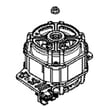
- Not draining or water left in tub: check the GE washer drain pump assembly WH23X28418
- Lid will not lock or cycle will not start: check the washer lid lock assembly WH08X37859
- Won’t fill or fills incorrectly: check the washer water inlet valve assembly WH13X26637
Quick checks before you order
- Unplug the washer and inspect for obvious damage (cracks, broken tabs, stripped splines).
- Look for error codes and match them to likely failed parts using GE gtw top load washer error codes.
- Verify the symptom is not caused by installation issues (kinked drain hose, closed water valves, unlevel cabinet).
Part number vs. part ID: what to use
| What you see | What it means | Best use |
|---|---|---|
| Part number (example: WH01X27538) | Manufacturer number | Cross-checking and confirming compatibility |
| Part ID (example: WH01X27538) | Sears PartsDirect identifier (often the same) | Ordering the exact listing for your model |
Why it matters
GE often uses similar-looking parts across multiple washer platforms. Using the exact model number GTW585BSV3WS and matching the part name + part ID helps ensure correct fit, proper cycle operation, and fewer repeat repairs.
Last updated: February 2026
How do I tell what model my GE washer is?
Your GE washer’s model number is printed on a rating label attached to the washer cabinet. On GE top-load models like GTW585BSV3WS, the label is most often under the lid opening, on the back of the control panel, or on the cabinet side near the bottom.
Where to look on a GE washer
Check these common label locations (in order):
- Under the lid, around the tub opening or underside of the top panel
- On the back of the control panel (rear of the console)
- On the left or right cabinet side near the bottom edge
- On the rear panel of the washer cabinet
- Inside the lid area near the hinge (less common)
What to write down (so you get the right parts)
We recommend recording the full ID information exactly as shown on the label.
- Model number (example: GTW585BSV3WS)
- Serial number (helps confirm production run)
- Brand (GE)
- Any revision or engineering code printed near the model
Quick ID checklist
| Label item | Why it matters | Example |
|---|---|---|
| Model number | Matches the correct parts list | GTW585BSV3WS |
| Serial number | Helps confirm exact build | (varies) |
| Product type | Confirms you are shopping washer parts | Washer |
Why it matters
GE often uses similar-looking cabinets across multiple washer models; one character difference in the model number can change the correct drive system, lid lock, or drain pump. Using the exact model number helps ensure you order the right replacement part the first time.
If the label is missing or unreadable
Use these practical options:
- Look for a faint imprint on the label area with a flashlight held at an angle
- Check the back of the console and lower cabinet sides for a second sticker
- If you are troubleshooting a no-spin or no-drain issue while identifying the unit, start with common failure parts such as the washer lid lock assembly WH08X37859 or GE washer drain pump assembly WH23X28418
Last updated: February 2026
How to order GE appliance parts?
To order parts for your GE washer model GTW585BSV3WS, use the complete model number and serial number, then order the exact replacement by part ID from the parts list for this model. If you need help identifying the right part or completing an order, contact Sears PartsDirect support.
What to have ready before you order
Having the right details prevents wrong-part returns and delays.
- Complete model number: GTW585BSV3WS
- Serial number (from the washer’s ID tag)
- The part ID and part name you need (example: washer drive belt WH01X27538)
- A quick symptom description (won’t spin, won’t drain, noisy, etc.)
- Photos of the part and wire connections (helpful for pumps, harnesses, and boards)
Common parts customers order for this model
These are frequent replacements on top-load washers like GTW585BSV3WS.
| Symptom | Part type to check | Example part for this model |
|---|---|---|
| Won’t spin or squeals | Drive belt | WH01X27538 |
| Won’t drain or drains slowly | Drain pump | WH23X28418 |
| Off-balance, banging | Suspension rods | WH16X26910 / WH16X26911 |
| Lid won’t lock or won’t start | Lid lock/strike | WH08X37859 / WH01X31637 |
Ordering tips that prevent mistakes
- Match by part ID (not just a description like “pump” or “belt”).
- If multiple versions exist, confirm by serial number range when applicable.
- For electrical parts (control board, lid lock, shifter), unplug the washer and verify connectors match.
- If your washer shows an error code, use GE gtw top load washer error codes to narrow the failing circuit before ordering.
Why it matters
GE often uses similar-looking parts across washer platforms; ordering by the exact GTW585BSV3WS model and the correct part ID helps ensure proper fit, correct wiring, and reliable operation.
Last updated: March 2026
How to rebalance a GE washer?
To rebalance a GE top-load washer like model GTW585BSV3WS, we focus on correcting the load, leveling the cabinet, and checking the suspension. Most “out of balance” problems are fixed by redistributing items and making sure all four leveling legs are firmly planted.
Quick rebalance steps (most effective first)
- Pause the cycle and open the lid; wait for the basket to stop completely.
- Redistribute the load: spread items evenly around the basket (avoid one heavy clump).
- Run a Spin-only/Drain and Spin cycle to test vibration after reloading.
- Level the washer: adjust the front leveling legs so the cabinet does not rock.
- Check the floor: weak or uneven flooring can amplify vibration; move the washer to a sturdier spot if possible.
- If the washer still bangs or walks, inspect the suspension components such as susp rod-lt WH16X26911 and washer suspension rod and spring assembly, right WH16X26910.
What “balanced” looks like
| What you see | What it usually means | What we do |
|---|---|---|
| Tub thumps during spin | Load is off-center | Reposition items; reduce load size |
| Washer “walks” forward | Legs not level or floor flexing | Re-level; stabilize floor |
| Constant shaking even with small loads | Worn suspension | Check rods/springs; replace as needed |
If it only happens with certain loads
- Bulky items (blankets, comforters): wash 1 at a time; add a few towels to help distribute weight.
- Small loads: add a few similar items so the basket can balance.
- Mixed heavy and light items: separate by fabric weight.
Why it matters
A washer that cannot balance will often reduce spin speed or stop to protect the drive system. Keeping the load balanced helps prevent excess wear on the suspension, basket support, and drive components.
Related help
Use GE gtw top load washer error codes if the washer displays a code along with the vibration issue.
Last updated: February 2026
Is it worth fixing a GE washing machine?
Yes, it’s usually worth fixing a GE washer like model GTW585BSV3WS when the repair is a common wear item (belt, pump, suspension) and the total cost stays well below the price of a comparable new washer. For major drivetrain or control failures, replacement often makes more sense.
Quick rule of thumb (cost vs. value)
We use these practical thresholds when deciding repair vs. replace:
- Repair if the total repair cost is under 50% of the cost of a similar new washer.
- Repair if it’s the first major issue and the washer otherwise cleans and spins normally.
- Replace if you’re facing repeated breakdowns or multiple expensive parts at once.
- Replace if the repair involves major assemblies and labor is high (gear case, basket drive, electronics).
| Situation | Usually the better choice | Why |
|---|---|---|
| Won’t spin, squeals, burning rubber smell | Repair | Often a belt or pulley issue (moderate cost) |
| Won’t drain, water left in tub | Repair | Commonly a drain pump or drain hose problem |
| Excessive shaking or banging | Repair | Suspension components are typical wear items |
| Dead display, erratic controls | Depends | Control parts can be costly; compare to replacement |
Common GTW585BSV3WS repairs that are often worth it
These are frequent, fixable problems where parts cost is typically reasonable:
- Slipping or broken belt: washer drive belt WH01X27538
- Not draining or slow drain: GE washer drain pump assembly WH23X28418
- Out-of-balance, tub bouncing: susp rod-lt WH16X26911 and washer suspension rod and spring assembly, right WH16X26910
- Lid won’t lock or won’t start: washer lid lock assembly WH08X37859 or lid lock striker WH01X31637
When replacing is usually smarter
We typically recommend replacement when the washer needs high-cost parts plus labor, especially if more than one symptom is happening:
- Gear case or major drive system damage (grinding, metal-on-metal noise)
- Basket or bearing-related failures (loud roar during spin, persistent leaks from the tub area)
- Multiple electrical failures (UI board plus harness issues)
Why it matters
A targeted repair on GTW585BSV3WS can restore performance for a fraction of replacement cost, but big-ticket failures can quickly exceed the washer’s remaining value. Comparing total repair cost (parts plus labor) to a new washer price keeps the decision simple and cost-effective.
Last updated: February 2026
Is the GTW585BSV3WS energy efficient?
Yes; the GE GTW585BSV3WS is generally energy efficient for a modern top-load washer, but it typically uses more water than many front-load models. Your real-world efficiency depends most on cycle choice, load size, and water temperature.
What “energy efficient” means for this washer
Top-load washers like the GTW585BSV3WS can be efficient, but they often trade some water savings for faster cycles and easier loading. To keep energy use low, we recommend focusing on hot-water use and extra rinse options.
Best habits for efficiency
- Wash with cold or warm water when possible (hot water drives most energy cost).
- Use the Normal or Eco-type cycle if your model offers it.
- Avoid Small load settings for medium loads; match water level to load size.
- Skip extra rinse unless you truly need it.
- Spin at the highest safe speed for the fabric to reduce dryer time.
- Keep the tub balanced to prevent re-spins and extended cycle time.
Quick comparison: top load vs front load efficiency
| Washer type | Typical water use | Typical energy use | Notes |
|---|---|---|---|
| Top load (like GTW585BSV3WS) | Medium to higher | Medium | Easier loading; cycle settings matter a lot |
| Front load | Lower | Lower to medium | Often best overall efficiency; longer cycles are common |
When efficiency drops (and what to check)
If you notice longer cycles, repeated rebalancing, or poor spin-out, efficiency can drop because the washer works harder.
Common contributors:
- Overloading or underloading
- Too many bulky items in one load
- Suds from too much HE detergent
- Drain or spin issues (for example, a weak pump can leave more water behind)
If the washer is not draining or spinning well, checking the GE washer drain pump assembly WH23X28418 is a practical first step.
Why it matters
Lower energy and water use reduces utility costs and helps clothes last longer because you can rely on correct water levels, proper agitation, and strong spin extraction instead of longer wash times.
Last updated: February 2026
What device is the GTW585BSV3WS?
The GE GTW585BSV3WS is a top-load clothes washer (washing machine) designed for household laundry. If you are shopping parts or troubleshooting, this model uses common top-load washer systems like a lid lock, drain pump, drive belt, and shifter to wash and spin loads.
What kind of washer it is
For GE model GTW585BSV3WS, you can expect the typical top-load layout and components:
- Lid and lid lock system to keep the lid secured during spin
- Wash basket and agitator components to move clothing through water
- Drain pump and drain hose to remove water before and during spin
- Drive belt and motor pulley to turn the transmission and basket
- Suspension rods/springs to control vibration and out-of-balance movement
Common parts customers look for on this model
If you are identifying the device by the parts it uses, these are some of the most common GTW585BSV3WS washer parts:
- Washer drive belt WH01X27538
- GE washer drain pump assembly WH23X28418
- Washer lid lock assembly WH08X37859
- Washer water inlet valve assembly WH13X26637
Quick “device ID” checklist
| What you see | What it indicates | Example part type |
|---|---|---|
| Hinged lid on top | Top-load washer | Lid lock/striker |
| Tub fills from valves at rear/top | Washer water supply system | Inlet valve |
| Water pumps out to a standpipe | Washer drain system | Drain pump/hose |
| Spins basket to extract water | Spin drive system | Belt/shifter |
Why it matters
Knowing GTW585BSV3WS is a GE washer helps you match the correct replacement parts (like a drain pump, lid lock, or drive belt) and use the right troubleshooting steps for GE top-load washer symptoms and error codes.
Last updated: February 2026
What is the life expectancy of a GE washing machine?
A GE washing machine typically lasts 10 to 14 years with normal household use and basic care. For your GE GTW585BSV3WS top-load washer, consistent maintenance and avoiding overloads are the biggest factors that help it reach (or exceed) that range.
Typical lifespan and what affects it
Most washer failures come down to wear items, drainage issues, or vibration-related stress. These factors have the biggest impact:
- Loads per week (heavy weekly use shortens lifespan)
- Overloading (stresses the drive system and suspension)
- Out-of-balance spinning (wears suspension and can damage the tub support)
- Water quality (sediment can affect valves and pumps)
- Ventilation and cleaning (helps prevent odor and residue buildup)
Parts that commonly limit washer life
If the washer is otherwise in good shape, replacing a few common parts can extend usable life.
| Symptom | Common wear area | Example part for GTW585BSV3WS |
|---|---|---|
| Won’t spin or squeals | Belt/drive | Washer drive belt WH01X27538 |
| Won’t drain or leaves water | Drain system | GE washer drain pump assembly WH23X28418 |
| Excessive shaking/banging | Suspension | Washer suspension rod and spring assembly, right WH16X26910 |
Maintenance habits that add years
We recommend these practical habits for GE top-load washers:
- Keep loads evenly distributed; wash bulky items with similar items
- Use the right amount of HE detergent to reduce residue
- Run a monthly cleaning cycle (or hot wash) to reduce buildup
- Check pockets to prevent coins and debris from damaging the pump
- Level the washer so the cabinet is stable on all feet
Why it matters
A washer that stays balanced, drains quickly, and runs with less friction puts less strain on the motor, shifter, and bearings. That reduces breakdowns and helps your GTW585BSV3WS reach the normal 10 to 14-year service life.
Last updated: February 2026
What is the most common problem with GE washers?
For GE washers like model GTW585BSV3WS, the most common service issues are drain and spin problems. In a top-load washer, that usually traces back to a restriction in the drain path, a failing drain pump, a lid lock problem, or a drive system issue that prevents the basket from reaching full spin.
Most common symptoms we see
- Washer won’t drain, or drains slowly
- Washer won’t spin, or leaves clothes wet
- Hums but won’t move water out
- Stops mid-cycle or won’t complete the cycle
- Loud banging or excessive vibration during spin
Likely causes (and the parts that often fix them)
These are the most frequent root causes for top-load GE washers when draining or spinning is the complaint:
- Drain pump issue: impeller damage, internal blockage, or electrical failure (see GE washer drain pump assembly WH23X28418)
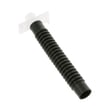
- Drain hose restriction: kinked hose, clogged standpipe, or debris in the hose (see washer drain hose WH41X32477)
- Lid lock not engaging: washer may refuse to spin for safety (see washer lid lock assembly WH08X37859)
- Drive belt worn or slipping: basket may agitate but not spin up properly (see washer drive belt WH01X27538)
- Out-of-balance control events: worn suspension can cause repeated rebalancing and poor spin (see washer suspension rod and spring assembly, right WH16X26910)
Quick checks before replacing parts
- Unplug the washer; then check for a kinked drain hose and confirm the standpipe is not clogged.
- Run a drain/spin cycle with the tub empty; listen for the drain pump running.
- Check the lid lock: if the lid never locks, the washer may not spin.
- Reduce load size and redistribute items; bulky loads can prevent a full-speed spin.
Troubleshooting guide by symptom
| Symptom | Most common cause | Good first part to check |
|---|---|---|
| Won’t drain | Pump jammed/failed | GE washer drain pump assembly WH23X28418 |
| Won’t spin | Lid lock not sensing closed | Washer lid lock assembly WH08X37859 |
| Spins weakly | Belt slipping | Washer drive belt WH01X27538 |
| Bangs hard in spin | Suspension worn | Washer suspension rod and spring assembly, right WH16X26910 |
Why it matters
Drain and spin problems are the issues that most directly affect results (wet clothes, cycle not finishing) and can lead to secondary problems like odors, standing water, and repeated out-of-balance shutdowns. Catching the cause early often prevents bigger repairs.
If your washer is showing a code, use GE gtw top load washer error codes to match the code to the most likely failure area.
Last updated: February 2026
Why is my GE front load washer leaking from the bottom?
For GE model GTW585BSV3WS, a leak from the bottom almost always comes from the drain path (hose or pump), an overfill condition, or a tub-to-pump connection that has loosened. Start by checking for water trails under the drain pump area and along the drain hose during a fill and drain.
Quick checks we recommend first
- Unplug the washer; turn off both water supply valves.
- Pull the washer forward and look for the wettest point on the base.
- Run a Rinse/Drain cycle and watch when the leak starts (fill vs. drain vs. spin).
- Check the standpipe or laundry sink for backup; a slow drain can look like a washer leak.
- Inspect the drain hose for splits, pinholes, or rubbing marks.
Most common bottom-leak causes (and what to look for)
| When it leaks | Most likely area | What you’ll typically see |
|---|---|---|
| During fill | Water inlet valve or internal fill hose | Drips from the rear/top running down the cabinet |
| During drain | Drain pump or pump hoses | Water pooling quickly under the pump |
| During spin | Tub seal, loose clamps, or slosh/oversuds | Intermittent spray or splatter marks |
Parts that often solve a true “bottom leak”
- Drain pump leaking or cracked housing: consider replacing the GE washer drain pump assembly WH23X28418.
- Drain hose split or rubbing through: replace the washer drain hose WH41X32477.
- Overfilling or slow-closing valve: a sticking valve can cause overflow; check the washer water inlet valve assembly WH13X26637.
Why it matters
Bottom leaks can damage flooring and can also lead to drain errors or poor spin performance if water reaches wiring or the drive system. Fixing the leak source early helps protect the control board, motor area, and belt.
If you see an error code
If the washer displays a code while leaking or not draining, use GE top load washer error codes to match the code to the most likely failure (pump, drain restriction, or water level sensing).
Last updated: February 2026


