Owner’s manual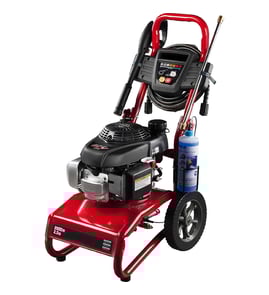



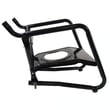
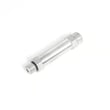
Can you put 87 gas in a pressure washer?
Yes. For the Craftsman 580752951 gas pressure washer, regular unleaded gasoline with an 87 octane rating is the standard fuel choice for normal operation. For any fuel restrictions (like ethanol limits) and storage guidance, follow the owner's manual.
What fuel to use (and what to avoid)
Use fresh, clean gasoline and avoid fuel that can cause hard starting, surging, or carburetor varnish.
- Use regular unleaded 87 octane for everyday use
- Buy fuel in small quantities so it stays fresh
- Avoid old gas (especially fuel that has been sitting for months)
- Avoid mixing oil into the gas (this is a 4-cycle style setup on most gas pressure washers)
- If your area sells higher octane (89 to 93), it is fine to use but it does not increase cleaning power
Quick comparison: 87 vs higher octane
| Fuel choice | Works in most gas pressure washers | Benefit you will notice | When to choose it |
|---|---|---|---|
| 87 octane (regular) | Yes | Normal starting and performance | Best everyday option |
| 89 to 93 octane (mid/premium) | Yes | Typically none | If 87 is unavailable |
| Old or contaminated gas | No | Hard starting, rough running | Never |
Why it matters
Fuel quality affects starting and engine stability more than octane rating does. Most “pressure washer won’t start” and “engine losing power” complaints trace back to stale fuel, clogged passages, or air leaks rather than needing premium gas.
If it runs rough after refueling
These checks fix the most common fuel-related issues:
- Drain the tank and refill with fresh 87 octane
- Check that the fuel shutoff (if equipped) is fully open
- Make sure the choke is set correctly for a cold start
- Inspect the spark plug condition and gap
- If the engine still surges or dies under load, follow the troubleshooting steps in pressure washer engine losing power
Last updated: February 2026
How to tell if a pressure washer unloader valve is bad?
On the Craftsman 580752951 gas pressure washer, a bad unloader valve usually shows up as weak or surging spray pressure, pressure that will not build, or the engine bogging when you squeeze or release the trigger. The unloader controls how pump pressure is bypassed when flow changes at the spray gun.
Common signs the unloader valve is failing
- Low pressure at the wand even with the correct spray tip installed
- Pressure pulses or surges (spray rhythmically gets strong then weak)
- Pressure stays high after you release the trigger (hard to restart spraying smoothly)
- Engine loads down or stalls when you pull the trigger
- Water leaks at the pump/unloader area (often tied to worn seals or O-rings)
- No change in pressure when you adjust settings (if your unit has an adjustment)
Quick checks before replacing parts
- Confirm full water supply: garden hose fully open, no kinks, clean inlet screen.
- Test with a known-good spray tip; a partially clogged tip can mimic unloader problems.
- Purge air: run water through the pump with the engine off, then trigger the wand until flow is steady.
- Check for downstream restrictions: collapsed high-pressure hose, stuck spray gun.
What the symptoms often point to
| Symptom | Most likely cause | What to do next |
|---|---|---|
| Surging pressure | Unloader sticking, air in system | Purge air; inspect/replace unloader |
| Low pressure only | Worn unloader, worn check valves | Inspect unloader; consider check valves |
| Engine bogs on trigger | Unloader not bypassing correctly | Inspect/replace unloader |
Parts that commonly solve unloader-related pressure issues
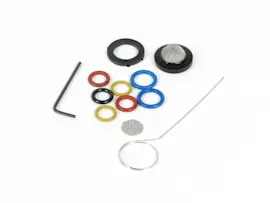
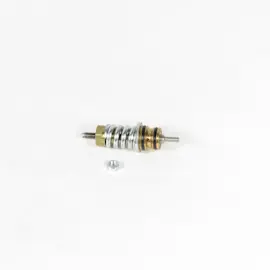
If your diagnostics point to the unloader, the model-specific replacement is the pressure washer unloader valve kit 772235. If pressure is still inconsistent after that, the pressure washer check valve kit 204082GS is another common fix for pressure loss and pulsing.
Why it matters
A sticking unloader can overwork the pump and engine, cause erratic cleaning performance, and accelerate seal wear. Catching it early helps protect the pump and keeps pressure consistent.
For diagrams, adjustment notes, and safe service steps, use the owner's manual.
Last updated: February 2026
What is a good PSI for a gas pressure washer?
For most home cleaning jobs, a good gas pressure washer PSI is about 1,300 to 2,800 PSI. That range handles typical tasks like patios, siding, and vehicles without being unnecessarily aggressive; confirm your Craftsman model 580752951 operating guidance in the owner's manual.
Quick PSI guide by job
- 1,300 to 2,000 PSI: cars, outdoor furniture, grills
- 2,000 to 2,800 PSI: decks, fences, driveways (general home use)
- 2,800 to 3,500 PSI: heavy concrete cleaning, paint prep (more risk of damage)
- 3,500+ PSI: commercial or frequent heavy-duty use (requires more technique and safety control)
How to choose the right PSI (and avoid damage)
PSI is only part of the story; spray tip angle, distance, and flow rate (GPM) often matter just as much.
- Start with a wider tip and increase cleaning power gradually
- Keep the nozzle moving; do not “park” the spray in one spot
- Increase distance first before increasing pressure
- Use detergent/chemical injection for grime instead of forcing pressure
- If pressure surges or feels inconsistent, inspect pump controls and valves
PSI vs. GPM: what matters most?
| Spec | What it affects | What to prioritize for home use |
|---|---|---|
| PSI | How hard the spray hits | Enough to lift dirt without etching surfaces |
| GPM | How fast you rinse and how quickly you clean | Higher GPM usually cleans faster at the same PSI |
| Cleaning units (PSI x GPM) | Overall cleaning output | Best single-number comparison when shopping |
Why it matters
Using more PSI than you need can etch concrete, splinter wood, strip paint, and force water behind siding. Matching PSI to the job helps your Craftsman 580752951 clean effectively while reducing wear on the pump and unloader system.
For common performance issues (low pressure, surging, or pressure that spikes), our troubleshooting steps in solving pressure washer problems help narrow down whether the cause is a nozzle, chemical injector, or a pump control issue such as the unloader.
Last updated: February 2026
Why does my gas pressure washer have no pressure?
If your Craftsman gas pressure washer model 580752951 has no pressure, the most common causes are trapped air in the pump, a restricted water supply, or a pump control issue (unloader or check valves). Start by purging air and confirming strong water flow before adjusting or replacing parts.
Quick checks (fastest fixes first)
- Turn the water on fully, then squeeze the trigger with no spray tip installed for 30 to 60 seconds to purge air.
- Confirm the garden hose delivers a strong, steady flow; a kinked hose or weak spigot flow will cause low or no pressure.
- Clean the inlet screen/filter at the pump water connection (debris here is a top cause of pressure loss).
- Verify the spray tip is not clogged; flush it with clean water and try a different tip if available.
- Check for leaks at hose connections and the wand; air leaks can prevent the pump from building pressure.
If pressure is still low: likely pump control parts
When the basics are good (strong water supply, no clogs, no air), the issue is usually in the pump’s regulating components.
Common part-related causes on model 580752951:
- Unloader valve sticking: pressure surges, weak pressure, or pressure that drops when you release the trigger.
- Check valves not sealing: pressure fades quickly or never builds.
- Chemical injection circuit leaking air: can reduce pressure and cause inconsistent output.
Helpful model-related parts to consider:
- Pressure washer unloader valve kit 772235
- Pressure washer check valve kit 204082GS
- Pressure washer chemical injector hose 315922GS
What to do next (simple decision table)
| What you see | Most likely cause | What we recommend |
|---|---|---|
| No pressure right after hookup | Air trapped, weak water flow, clogged inlet screen | Purge air, verify flow, clean inlet screen |
| Pressure pulses or surges | Unloader valve sticking | Inspect/replace unloader valve |
| Pressure won’t build even with good flow | Check valves worn or stuck | Inspect/replace check valve kit |
| Pressure drops and soap system acts odd | Chemical injector hose leaking or injector issue | Inspect injector hose and fittings |
Why it matters
Running a gas pressure washer with restricted water flow or trapped air can overheat and damage the pump quickly. Getting the water supply and pump controls right protects the pump and restores consistent PSI.
Model-specific reference
Use the owner's manual for your Craftsman 580752951 to confirm the correct startup sequence, spray tip usage, and any pump priming steps recommended for this unit.
Last updated: February 2026