Owner’s manual

What is the average lifespan of an air compressor?
Most homeowner-grade air compressors last about 5 to 10 years; with consistent maintenance and correct electrical setup, many run longer. For your Craftsman 919165000 (oil-free, single-cylinder, single-stage), lifespan depends most on heat, moisture, and how hard and how often it’s used (see the 919165000 owner's manual).
Typical lifespan by compressor type
These ranges help set expectations when you compare duty cycle and build style.
| Compressor type | Typical lifespan | Notes |
|---|---|---|
| Oil-free, portable (like 919165000) | 5 to 10 years | Higher wear; very sensitive to heat and intake air quality |
| Oil-lubricated, belt-drive | 10 to 15 years | Rebuildable pump designs are common |
| Rotary screw (shop/industrial) | 10 to 20 years | Designed for continuous duty with scheduled service |
What extends the life of a Craftsman 919165000
We see the biggest gains when you focus on airflow, clean intake, and keeping water out of the tank.
- Keep the air filter clear so the pump is not starved for air.
- Place it in a clean, dry, well-ventilated area and keep it at least 12 inches from walls for cooling.
- Avoid long or undersized extension cords; use extra air hose instead to prevent voltage drop and motor overheating.
- Drain tank moisture regularly (water causes internal corrosion and shortens tank life).
- Fix air leaks promptly so the compressor does not run longer than necessary.
Signs it’s nearing end of service life
These symptoms usually mean the pump, valves, or controls are wearing out.
- Takes much longer to build tank pressure than it used to
- Repeated breaker trips or hard starting
- Output pressure is unstable even with the regulator set
- Excessive noise or vibration compared to normal
- Air leaks that keep returning after tightening fittings
Why it matters
Air compressors typically fail early from overheating (restricted airflow or voltage drop) or moisture damage (water left in the tank). Following the manual’s placement, cooling clearance, and electrical guidance reduces run time and heat, which directly extends motor and pump life.
Last updated: February 2026
What is the most common cause of air compressor failure?
The most common cause of air compressor failure is poor maintenance that leads to overheating, restricted airflow, and accelerated wear. On the Craftsman 919165000 air compressor, blocked ventilation openings, a restricted intake filter, and not draining tank water are frequent contributors to breakdowns and unsafe operating conditions.
Most common failure causes we see
- Restricted airflow and overheating: blocking ventilation openings can cause serious overheating.
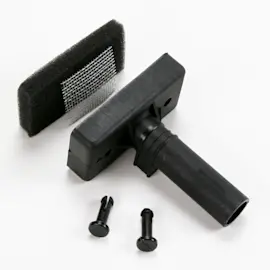
- Restricted air intake filter: reduces output and makes the pump work harder.
- Moisture left in the tank: failing to drain condensed water promotes rust and tank thinning.
- Air leaks: leaks at fittings, hoses, or valves increase run time and heat.
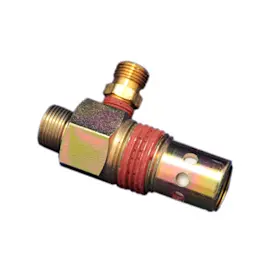
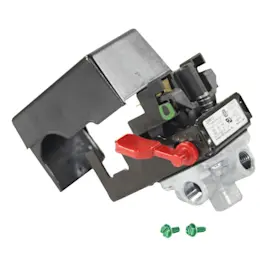
- Pressure control problems: a pressure switch that does not shut off at cut-out can over-pressurize the tank.
Quick checks you can do first (safe, practical steps)
Before any troubleshooting, unplug the compressor and bleed off tank pressure as described in the owner's manual.
- Confirm ventilation openings are clear and the unit has good airflow.
- Inspect the intake filter; clean or replace if dirty.
- Drain water from the tank after use and before storage.
- Listen for hissing and check fittings and hoses for leaks.
- If the safety valve pops or tank pressure seems excessive, move the pressure switch to OFF and address the pressure control issue before using it again.
Symptoms and likely causes
| What you notice | Common cause | What it leads to |
|---|---|---|
| Compressor runs hot or trips | Restricted ventilation or long run time | Overheating and motor damage |
| Won't build pressure | Intake restriction, leaks, or check valve issue | Low tool performance |
| Safety valve pops | Pressure switch not shutting off | Overpressure risk |
| Tank won't hold air | Leak at fittings, valve, or tank | Frequent cycling and wear |
Why it matters
Maintenance issues do not just reduce performance; they also increase run time, heat, and stress on the motor, pressure switch, and check valve. Draining the tank helps prevent internal rust that can weaken the steel tank over time.
For step-by-step troubleshooting by symptom, use air compressor won't start or air compressor won't build tank pressure.
Last updated: February 2026
Is it worth it to repair a compressor?
Yes; repairing your Craftsman air compressor model 919165000 is worth it when the failure is a single, serviceable part (pressure switch, check valve, fittings, or pump components) and the air tank is sound. Replace the unit when the tank leaks at welds or the repair cost is too close to replacement cost.
Quick decision checklist
- Repair when it runs but has air leaks at fittings, won’t build pressure, or won’t shut off.
- Repair when the issue points to a control or valve problem (pressure switch, release/unloader, check valve).
- Repair when the pump is rebuildable and the motor is healthy.
- Replace when there are air leaks in the air tank or at tank welds.
- Replace when repair cost reaches about half the price of a comparable new compressor.
What the 919165000 manual points to
The troubleshooting guidance highlights common, repairable causes such as a pressure switch that doesn’t shut off at cut-out, a defective release valve, a flapper valve issue in the manifold, or a damaged check valve seat. Use the safety and troubleshooting steps in the 919165000 owner's manual before inspecting or servicing.
Repair vs. replace: common symptoms
| Symptom | Usually | Why |
|---|---|---|
| Safety valve pops, won’t shut off | Repair | Often pressure switch control problem |
| Air leaks at fittings or release valve | Repair | Seals, valve, or switch-related |
| Won’t build tank pressure | Repair | Leaks, check valve, or pump output |
| Air leaks in tank or at welds | Replace | Tank integrity issue, not a practical repair |
Safety steps that affect the decision
- Turn OFF, unplug, and bleed tank pressure before any checks.
- Keep guards and covers installed during operation.
- Treat wiring or motor faults as qualified-service repairs.
Why it matters
A parts-level repair restores performance and saves money; a compromised tank or repeated electrical failures create ongoing downtime and higher total cost.
Last updated: February 2026