Owner’s manual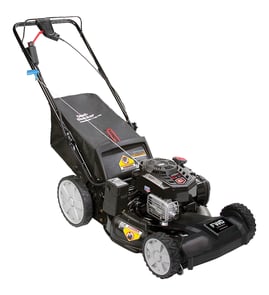


What is the cheapest time of year to buy a lawn mower?
The cheapest time to buy a lawn mower is typically the off-season: late fall through winter (roughly October through February). That is when leftover inventory is cleared out, so you often see the deepest discounts compared with peak mowing season.
Best times to shop (and what to expect)
- Late fall closeouts (Oct to Nov): strong markdowns as stores clear seasonal stock.
- Winter clearance (Dec to Feb): fewer models to choose from, but pricing is often lowest.
- Holiday promos (late May to early July): decent deals, better selection, but not always the lowest price.
- Peak season (Apr to Aug): widest selection, highest demand, usually higher prices.
Quick timing guide
| Time of year | Typical pricing | Selection | Best for |
|---|---|---|---|
| Oct to Feb | Lowest | Limited | Best price on remaining stock |
| May to July | Medium | High | Balancing deals and choice |
| Apr to Aug | Highest | Highest | Buying a specific model fast |
What to check before you buy (so the “deal” stays a deal)
- Confirm the mower fits your yard size and terrain (flat vs. slopes).
- Look for easy-to-service wear items (blade, wheels, drive components).
- Plan for routine maintenance supplies (oil, air filter, spark plug).
- Review storage and fuel guidance so it starts easily next season.
- Keep the model documentation handy for maintenance intervals and specs.
Why it matters
Buying off-season can save money, but you may have fewer choices and may need to act quickly when the right mower shows up. For a Craftsman walk-behind like model 247381091, following the maintenance and storage guidance in the owner's manual helps protect your investment year after year.
Last updated: February 2026
Should I use 87 or 93 for lawn mower?
For the Craftsman 247381091 gas walk-behind mower, use regular unleaded gasoline with a minimum of 87 octane; using 93 octane does not improve performance for this engine and typically just costs more. For the exact fuel requirements and safety steps, follow the owner's manual.
What fuel to use (and what to avoid)
- Use clean, fresh, unleaded gasoline.
- Use 87 octane (87 AKI) or higher.
- Gasoline with up to 10% ethanol (E10) is acceptable.
- Gasoline with up to 15% MTBE is acceptable.
- Do not use E85 or other unapproved fuels.
- Do not mix oil into the gasoline (this is a 4-cycle engine setup).
Quick comparison: 87 vs 93 octane
| Option | Works in Craftsman 247381091? | What you gain | When it makes sense |
|---|---|---|---|
| 87 octane (regular) | Yes (recommended minimum) | Normal starting and power | Everyday mowing |
| 93 octane (premium) | Yes | No added power in typical mower engines | Only if it is the freshest fuel you can get |
Refueling and storage tips that prevent most fuel problems
- Let the engine cool at least 2 minutes before refueling.
- Refuel outdoors and wipe up spills immediately.
- If the mower will sit 30+ days, run it dry or use a fuel additive and run the engine a few minutes to circulate it.
- Store the mower in a dry, clean area; avoid storing with fuel indoors where fumes can collect.
Why it matters
Using the right fuel (87 octane minimum, fresh, and within the allowed ethanol limits) helps your Craftsman 247381091 start easier, run smoother, and reduces carburetor gumming during off-season storage.
Last updated: February 2026
How to look up Craftsman model number?
To look up the model number on a Craftsman mower, we use the model tag on the mower itself. On Craftsman walk-behind mowers like model 247381091, the model number is typically printed on a label on the mower deck or frame; once you have it, you can match parts and diagrams in the owner's manual.
Where to find the model number on a walk-behind mower
Check these common locations first (clean off grass and dirt so the label is readable):
- On top of the mower deck near the engine
- On the rear of the deck near the bagging door or rear discharge area
- On the side of the deck near a rear wheel
- On the frame near the handle mounting points
- On a sticker or metal tag with both a model number and serial number
How to use the model number once you find it
After you confirm the full model number (for example, 247381091), use it to:
- Pull the correct parts diagrams and parts list for your exact mower
- Confirm fit for common hardware and deck parts
- Identify the correct engine information (the manual for this mower references an engine model family)
- Avoid ordering look-alike parts that do not match your version
Quick checklist: model number vs. engine model
These are different identifiers and both can be useful.
| What you’re identifying | Where it’s used | Example for this mower | Why it matters |
|---|---|---|---|
| Mower model number | Parts diagrams, chassis and deck parts | 247381091 | Ensures the correct walk-behind mower parts list |
| Engine model number | Engine tune-up and engine parts | 111P02-0880-F1 (shown in the manual) | Helps match engine-specific parts and specs |
Why it matters
Craftsman walk-behind mowers often have multiple versions that look similar. Using the exact model number helps us match the right parts (like wheels, height adjuster components, and deck hardware) and reduces returns caused by fit issues.
Last updated: February 2026
What is the best gas lawn mower under $300?
If you need a gas mower under $300, the “best” choice is the one that fits your yard size and comfort needs: a 21-inch walk-behind with a reliable engine, easy height adjustment, and a bagging or mulching option. For owners of Craftsman model 247381091, use the owner's manual to match features and safe operation to your yard.
What to look for (the under-$300 checklist)
- Cutting width: Most budget gas mowers are 20 to 22 inches; 21 inches is the common sweet spot.
- Drive type: Push is cheapest; self-propelled is easier on hills and larger lawns.
- Cut options: Look for mulch, bag, and side discharge (3-in-1) if you want flexibility.
- Height adjustment: A single-lever or easy multi-position system saves time.
- Parts support: Make sure common wear items are easy to get (wheels, knobs, hardware).
How this relates to Craftsman 247381091
This Craftsman walk-behind mower is designed for typical homeowner mowing and supports common mowing modes (mulching, bagging, side discharge). The manual also calls out key safety and operating basics like keeping the discharge cover or grass catcher in place, using fresh regular unleaded fuel (minimum 87 octane), and letting the engine cool before refueling.
Quick fit guide
| Your yard situation | Best under-$300 pick | Why it matters |
|---|---|---|
| Small, flat lawn | Push mower | Lowest cost, simplest maintenance |
| Medium lawn or mild slopes | Self-propelled | Less fatigue, steadier pace |
| Lots of leaves or heavy growth | Strong bagging + sharp blade | Cleaner pickup, fewer clumps |
Why it matters
Under $300, you are usually trading premium features (heavier deck, higher-end transmission, extra comfort controls) for value. Prioritizing drive type, cut options, and serviceable parts helps you avoid a mower that feels underpowered or uncomfortable after a few weekends.
Helpful maintenance tip that improves any mower’s cut
A sharp, balanced blade makes more difference than brand names at this price point. Use our guide on how to sharpen a lawn mower blade to keep cut quality high and reduce strain on the engine.
Last updated: February 2026
Are rear discharge mowers any good?
Rear-discharge mowers are a good choice when you want clippings to exit behind the mower for cleaner edging and easier bagging. Your Craftsman 247381091 is set up for mulching or side discharge (with an optional bagger setup); use the configurations and safety steps in the owner's manual.
What “rear discharge” is best at
- Keeping clippings off flowerbeds, fences, and walkways
- Bagging with fewer clippings blown sideways
- Leaving a more controlled trail of clippings behind the mower
- Mowing in tighter spaces where side discharge could throw debris
How the Craftsman 247381091 compares
This model supports mulching, side discharge, and grass catching. If you want discharge out the side, install the chute correctly and keep it secured.
- Side discharge uses a chute and cover; install and secure it before mowing
- Mulching works best when grass is dry and cut frequently
- Bagging is the cleanest option when grass is tall or thick
| Mode | Where clippings go | Best for | Watch-outs |
|---|---|---|---|
| Side discharge | Out the side chute | Faster mowing, heavier growth | More debris thrown to the side |
| Mulching | Recirculated and chopped | Frequent mowing, returning nutrients | Avoid wet grass; switch modes if grass is over about 4 inches |
| Bagging | Into grass bag | Clean finish, leaf pickup | Bag fills quickly in heavy growth |
Parts and setup that matter
- Use the correct side chute assembly: lawn mower discharge chute assembly, side 931-0066
- Keep the discharge cover, chute, or grass catcher in its proper place before operating
- Clear sticks, stones, and wire to reduce thrown-debris risk
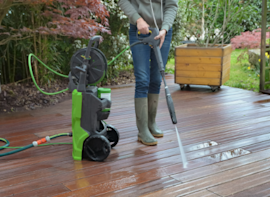
- Clean deck buildup by scraping; do not spray with a hose or pressure washer (per the manual)
Why it matters
Discharge style affects safety, cleanup time, and cut quality. Using the correct chute, baffle, or bagging setup helps the mower discharge consistently and reduces the chance of thrown debris.
Last updated: February 2026