Owner’s manual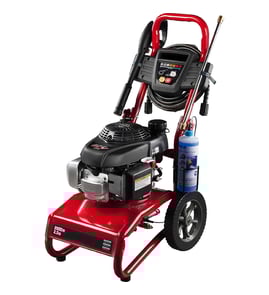




Can I use SAE 30 instead of 10W30 in my pressure washer?
Yes. For your Craftsman 580752921 gas pressure washer, SAE 30 detergent oil is a normal substitute for 10W-30 in warm weather; 10W-30 is the better all-around choice when temperatures vary. Avoid non-detergent oil because it does not protect small engines the same way.
What to use (quick guide)
- Use detergent 4-cycle engine oil (not non-detergent)
- SAE 30: best for consistently warm conditions
- 10W-30: best for mixed temperatures and easier starting
- 5W-30: best for cold-weather starting
- Check the exact oil type and capacity in the 580752921 owner's manual
Temperature-based comparison
| Oil type | Best use | What you’ll notice |
|---|---|---|
| SAE 30 | Warm weather, steady temps | Stable viscosity when hot; can be harder to start when cold |
| 10W-30 | Most climates, changing temps | Easier starting than SAE 30; good everyday choice |
| 5W-30 | Cold climates | Best cold starts; may consume slightly more oil in some engines |
Tips to prevent engine wear
- Check oil level before each use; top off as needed
- Change oil on schedule (more often in dusty, heavy-use conditions)
- Do not overfill; overfilling can cause smoking and power loss
- Use fresh gasoline and keep the water supply on before starting
Why it matters
Oil viscosity affects how quickly the engine lubricates at startup and how well it protects under load. Using the right detergent oil helps your pressure washer engine maintain compression, run cooler, and last longer.
Last updated: February 2026
Is it worth repairing a pressure washer?
Yes, it’s usually worth repairing your Craftsman pressure washer model 580752921 when the problem is a wear item (hose, spray nozzle, clips) or a single serviceable pump component; it’s usually not worth it when the pump or engine has major internal damage and the repair total approaches half the cost of replacement.
Quick decision checklist (what we use)
- Repair it if the issue is a clog, leak at a fitting, worn nozzle, or a damaged hose.
- Repair it if you can fix it with a single part and basic tools.
- Repair it if the frame and pump mounting points are solid and not cracked.
- Replace it if the engine has low compression, heavy knocking, or won’t run even after basic fuel and ignition checks.
- Replace it if the pump has severe scoring, cracked housing, or repeated pressure surging after service.
- Replace it if repair cost is 50% or more of what you would spend on a comparable new unit.
Common “worth it” repairs for model 580752921
These are the fixes that most often restore performance quickly:
| Symptom | Likely cause | Typical fix |
|---|---|---|
| Low pressure but engine runs fine | Clogged/worn tip | Clean or replace a spray tip/nozzle |
| Leaks at the gun/hose connection | Worn seal or damaged hose | Replace hose; inspect O-rings |
| Pressure surges (hunts) | Unloader sticking or valve issue | Service unloader or valve plug kit |
| Poor spray pattern | Wrong or worn nozzle | Use the correct nozzle for the job |
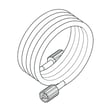
Model-matched parts we commonly see used for these repairs include the pressure washer hose 84006753, pressure washer spray nozzle set 314075GS, and the pressure washer unloader valve kit 772235.
Why it matters
A pressure washer that’s running with a restricted nozzle, air leaks on the inlet side, or an unloader problem can overheat the pump and shorten its life. Fixing small issues early often prevents a much bigger pump failure later.
What to check before you spend money on parts
- Verify strong garden-hose flow to the inlet (no kinks, clean inlet screen).
- Try a different spray tip (a partially clogged tip is the most common “no pressure” cause).
- Purge air: run water through the pump with the engine off until flow is steady.
- Confirm you’re using the correct setup and maintenance steps in the owner's manual.
Last updated: February 2026
What is the average lifespan of a pressure washer?
A typical gas pressure washer like the Craftsman 580752921 lasts 5 to 7 years for homeowner use, which usually works out to roughly 500 to 2,000+ operating hours depending on maintenance, water quality, and how hard it’s worked. Consistent upkeep can push service life past 10 years.
What affects lifespan the most
- Pump type and care: running dry, dirty water, or long bypass time shortens pump life
- Engine maintenance: clean oil, clean air filter, fresh fuel practices
- Storage: freezing temperatures and stale fuel cause avoidable damage
- Operating habits: using the correct spray tip and not overloading the unit
- Hose and nozzle condition: restrictions and leaks make the pump work harder
Maintenance checklist that extends life
Use your owner's manual for the exact intervals and specs for the 580752921.
- Check engine oil before each use; change oil on schedule
- Never run the pump without water flowing
- Flush the system after detergent use
- Clean or replace clogged spray tips (a worn tip can change pressure and strain the pump)
- Inspect for leaks and replace damaged hoses or fittings
- Winterize before storage in freezing climates
Common “end of life” symptoms (and what to check first)
| Symptom | Often caused by | Parts to inspect/replace |
|---|---|---|
| Low pressure or surging | Clogged nozzle, air leak, unloader issue | Pressure washer spray nozzle set 314075GS, pressure washer unloader valve kit 772235 |
| Leaking at connections | Worn seals, damaged hose | Pressure washer hose 84006753 |
| Poor performance under load | Maintenance overdue, fuel issues | Follow pressure washer needs routine maintenance |
Why it matters
Pressure washer lifespan is mostly about preventing pump and engine wear. Simple habits (steady water supply, correct nozzle, routine maintenance, and proper storage) protect the most expensive components and keep cleaning performance consistent.
Last updated: February 2026
What kind of gas goes in a Craftsman 3000 psi pressure washer?
For the Craftsman 580752921 gas pressure washer, use clean, fresh unleaded gasoline with a minimum 87 octane (87 AKI). Avoid old fuel and do not mix oil into the gas (this is a 4-cycle engine setup).
Fuel type and what to avoid
Use standard pump gasoline that meets the octane requirement; the goal is consistent starting and stable engine power.
- Use fresh unleaded gasoline, 87 octane (AKI) or higher
- Do not use gasoline that has been sitting for months
- Do not use mixed 2-cycle fuel (gas + oil)
- Avoid overfilling the tank; leave room for expansion
- Wipe up spills before starting the engine
Quick checklist before you fill up
These steps prevent hard starting, surging, and power loss on a 3000 PSI class gas pressure washer.
- Shut the engine off and let it cool.
- Fill outdoors in a well-ventilated area.
- Use a clean fuel can and a funnel to keep dirt out.
- Tighten the fuel cap securely.
Common symptoms and likely fuel-related causes
| Symptom | Common fuel-related cause | What to do |
|---|---|---|
| Won’t start | Stale fuel or contaminated fuel | Drain and refill with fresh 87+ octane gas |
| Surges or loses power | Water in fuel, varnish buildup | Replace fuel, then run fresh fuel through |
| Starts then dies | Restricted fuel flow, dirty carburetor | Refresh fuel; follow the troubleshooting steps in the manual |
Why it matters
Using fresh 87+ octane unleaded gasoline helps your Craftsman 580752921 start easier, run smoother under load, and reduces deposits that can clog small fuel passages.
For model-specific operating and fueling steps, follow the owner's manual.
Last updated: February 2026