 Installation guide
 Error Codes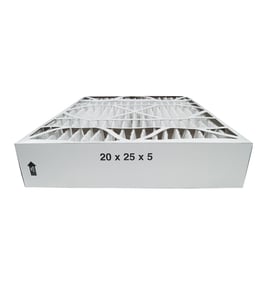

Can dirty filters cause E4 errors?
Yes. On an Icp EDD4X24FA2 upflow and downflow TXV cased coil system, a dirty air filter can restrict airflow and contribute to evaporator coil icing, which commonly triggers “E4” style fault conditions on the connected HVAC equipment. Start by replacing the filter and checking for frost on the coil.
What to check first (safe, homeowner-friendly)
- Turn the system OFF at the thermostat to prevent more icing.
- Check the return filter; replace it if it is dusty, collapsed, or damp.
- Let any ice melt completely (this can take several hours with the fan set to ON).
- Make sure supply and return vents are open and not blocked.
- If the error returns quickly after a clean filter, schedule service; low refrigerant, a blower issue, or a metering problem can also cause icing.
Why airflow problems can look like an “E4” issue
Restricted airflow lowers the evaporator temperature; moisture freezes on the coil, airflow drops even more, and the system can trip a protection or fault code.
Common causes compared
| What you find | Most likely cause | What to do next |
|---|---|---|
| Filter is dirty | Airflow restriction | Replace filter; recheck operation |
| Coil is frosted/iced | Airflow issue or refrigerant/charge problem | Thaw coil; if it repeats, service is needed |
| Water at overflow drain | Primary drain may be plugged | Service the drain before water damage occurs |
Related installation details that matter on this coil
Your installation guide notes the coil has primary and secondary (overflow) condensate drain connections; water coming from the secondary drain indicates the primary drain is plugged and the unit needs service. Drain routing should also avoid blocking filter access. See the installation guide.
Why it matters
A dirty filter does not just cause an error; it can lead to coil icing, poor comfort, higher energy use, and condensate overflow if the drain system cannot keep up.
Last updated: February 2026
Does a heat pump have 2 TXV?
Some heat pump systems use two TXVs (thermal expansion valves), but the Icp EDD4X24FA2 cased coil itself has one factory-installed hard shut-off TXV that is not field adjustable. Whether your complete system has a second TXV depends on the outdoor unit and the specific heat pump design; check the installation guide.
How two-TXV heat pump systems work (quick overview)
In many heat pump designs, refrigerant flow reverses between heating and cooling. To meter refrigerant correctly in both directions, the system may use:
- Two metering devices (often TXVs), one optimized for each direction of flow
- Check valves to route refrigerant through the correct metering device for the current mode
- A single bi-flow metering device in some designs (less common on older or basic setups)
What we know for the Icp EDD4X24FA2 coil
This model-specific coil information matters because the indoor coil’s metering device must match the refrigerant and outdoor unit.
- The EDD4 series coil uses a factory-installed hard shut-off TXV designed for R-410A
- The TXV is factory set and not field adjustable
- A strainer screen is factory installed in the liquid tube stub (TXV tube) and should stay in place during installation
- A liquid line filter-drier is required on every unit
| Item | What to expect on EDD4X24FA2 | Why it matters |
|---|---|---|
| TXV count on the coil | 1 factory-installed TXV | Indoor metering is built into the coil |
| Refrigerant compatibility | R-410A | Must match the outdoor unit and system oil |
| TXV adjustability | Not field adjustable | Charging and airflow setup become even more important |
Why it matters
If a heat pump uses two TXVs (or a TXV plus check valves), the goal is stable superheat control in both heating and cooling. Mismatched metering devices or refrigerant type can cause poor capacity, high pressures, and compressor stress.
Installation notes that affect heat pump performance
- If used with electric heat, install the coil upstream of the electric heater
- If installed with a gas or oil furnace, install the coil downstream of the heat exchanger
- In dual-fuel setups (heat pump plus fossil fuel heat), use the required fossil fuel kit specified for the system
Last updated: February 2026
What are the most common issues with EDD4X24FA2?
The most common problems we see around the Icp EDD4X24FA2 upflow and downflow TXV cased coil are refrigerant leaks, airflow restrictions, and TXV or metering issues that cause poor cooling and coil icing. Installation details like line-set connections and drainage also drive many symptoms; use the installation guide for the correct setup checks.
Common symptoms and what they usually point to
- Weak cooling or long run times: low refrigerant charge from a leak, restricted airflow, or a metering (TXV) issue.
- Ice on the coil or suction line: dirty filter, blocked return, blower problem, or low charge.
- Water around the indoor unit: clogged condensate drain, improper trap/slope, or a pan/drain connection issue.
- Hissing/bubbling at the coil: refrigerant leak at braze joints, fittings, or the coil.
- Uneven temperatures: duct restrictions, incorrect airflow, or system sizing/setup problems.
Quick checks we recommend before scheduling sealed-system service
Turn off power to the air handler/furnace before opening panels.
- Replace or clean the air filter; confirm all supply and return vents are open
- Inspect the indoor coil area for frost or heavy dust buildup
- Check the condensate drain line for clogs and confirm the drain pan is not overflowing
- Verify the blower is running and airflow feels strong at multiple registers
- If icing is present, shut the system off and let it fully thaw before restarting
Symptom-to-cause guide
| What you notice | Most common cause | Typical next step |
|---|---|---|
| Coil freezes | Low airflow or low charge | Fix airflow first; then have charge/leaks checked |
| Water leak | Drain restriction or install issue | Clear drain; confirm trap/slope per guide |
| Poor cooling | Leak, restriction, or TXV issue | Check filter/airflow; then sealed-system diagnosis |
| Noise at coil | Refrigerant movement or leak | Inspect connections; leak test if persistent |
Why it matters
A cased coil and TXV are part of the sealed refrigerant system; running with low airflow or low charge can lead to repeated icing, water damage, and compressor stress. Correct airflow and drainage setup prevent many repeat failures.
Last updated: March 2026





