Owner’s manual
 Error Codes

Is GE Profile oven gas or electric?
GE Profile ovens can be gas or electric, depending on the specific model. Your GE JGB281DER3BB is a gas range with an electric ignition system, so the oven uses gas for heat but needs household power to light and run certain features; see the JGB281DER3BB owner's manual.
We recommend checking the model tag and the fuel hookup behind the range.
- Gas oven/range: has a gas supply line connection (usually 1/2-inch) and burner ignition components
- Electric oven/range: has no gas line; heating is done by electric elements
- Dual fuel range: gas cooktop with an electric oven (varies by model)
- Model numbers starting with JGB are commonly GE gas ranges (including JGB281DER3BB)
Your range uses a glow-bar style igniter to light the oven burner.
| Feature | Gas range (JGB281DER3BB) | Electric range |
|---|---|---|
| Oven heat source | Gas burner | Electric bake/broil elements |
| Ignition/controls | Requires electricity | Requires electricity |
| During a power outage | Oven and broiler will not light | Oven will not heat |
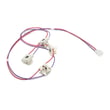
If your oven will not ignite or takes a long time to light, the igniter is a common cause; the correct replacement for this model is the oven igniter WB13K21.
Fuel type affects installation, troubleshooting, and parts selection. For example, a gas oven that will not heat often points to the igniter, burner, or gas supply, while an electric oven no-heat issue often points to an element or relay.
Last updated: January 2026
What are common problems with GE ranges?
Common problems on the GE JGB281DER3BB gas range include surface burners that will not light or burn evenly, an oven that will not heat properly, and performance issues caused by airflow restrictions or dirty burner parts. Many fixes start with cleaning, correct burner assembly, and basic electrical checks in the JGB281DER3BB owner's manual.
- Top burners do not light or burn unevenly: clogged burner holes, dirty electrode area, or burner parts assembled incorrectly.
- Oven bake or broil will not ignite: weak igniter, wiring issue, or gas supply problem.
- Poor baking performance: blocked airflow or heat concentration (for example, foil on the oven bottom).
- Grease odors or flare-ups: grease buildup in or around the range.
- Drawer or kick panel issues: parts not seated correctly after cleaning.
- Confirm the range is plugged into a live, properly grounded outlet (spark ignition needs power).
- Remove burner caps and heads; clean ports carefully with a needle or twist-tie (do not enlarge holes).
- Reinstall burner parts so they sit flat and centered.
- Avoid using aluminum foil on the oven bottom; it can block holes and disrupt airflow.
- Clean spillovers promptly; acidic spills can damage porcelain-enamel surfaces.
| Symptom | Most likely area | Example part for this model |
|---|---|---|
| Bake burner will not ignite | Bake igniter | Oven igniter WB13K21 |
| Broil burner will not ignite | Broil igniter | Range oven burner igniter WB13X25261 |
| Burner flame uneven | Burner cap/head | Range surface burner head WB16K10062 |
Gas ignition and flame quality affect cooking results and safety. Keeping burner ports clean, assembling caps correctly, and avoiding airflow blockages helps your GE range heat evenly and ignite reliably.
Last updated: January 2026
How long should a GE Profile gas stove last?
A GE gas range like model JGB281DER3BB typically lasts 13 to 15 years with normal household use and basic maintenance. Consistent cleaning, correct burner operation, and prompt repair of ignition or heating issues help you reach the full expected lifespan; see the owner's manual for care and safety guidance.
- Daily heat exposure: frequent high-heat cooking shortens wear parts faster.
- Ignition performance: weak igniters can delay lighting and strain gas components.
- Spillovers and grease: buildup can clog burner ports and cause uneven flames.
- Ventilation and moisture: poor airflow and humidity speed corrosion.
- Installation quality: a properly installed, stable range avoids vibration and damage.
These parts do not mean the range is at end-of-life; they are normal service items on many gas ranges.
| Symptom | Likely area | Example part for JGB281DER3BB |
|---|---|---|
| Oven will not heat, slow to ignite | Bake ignition | Oven igniter WB13K21 |
| Broil will not ignite | Broil ignition | Range oven burner igniter (broil circuit) |
| Cooktop burner clicks but won’t light evenly | Burner head/cap alignment or clog | Range surface burner cap, burner head |
| Oven light out | Bulb or socket | 40-watt bulb, light socket |
- Keep burner caps seated flat after cleaning so flames stay even.
- Clean spillovers promptly to prevent clogged ports and corrosion.
- If the oven takes longer than usual to light, address it early (igniters often weaken gradually).
- Use cookware that fits the grate and does not tip; avoid operating top burners without cookware.
- Follow the safety and use guidance in the manual, including proper installation and anti-tip practices.
A gas range can often run well past a decade, but small issues (like delayed ignition or heavy grease buildup) can turn into bigger repairs. Staying ahead of ignition and burner performance problems protects cooking results and helps control repair costs.
Last updated: January 2026
Is GE profile considered high end?
Yes. GE Profile is generally considered GE’s higher-end appliance line, positioned above standard GE models with more premium features, styling, and performance options. That said, your GE gas range model JGB281DER3BB is a standard GE model, not a GE Profile model (Profile models are typically labeled “Profile”).
Check the branding on the control panel and the model tag location described in the JGB281DER3BB owner's manual. If it says “GE Profile” (often with a “P” logo), it is part of the Profile line.
Common identifiers:
- “GE Profile” badge or logo on the front or control panel
- Model number on the rating label matches your paperwork
- Feature set includes more advanced cooking options than base models
- More premium finishes and control designs
GE Profile typically focuses on upgraded convenience and cooking performance compared to standard GE lines.
| Line | Typical positioning | What you usually get |
|---|---|---|
| GE (standard) | Core, value-focused | Straightforward controls, essential features |
| GE Profile | Premium within GE | More features, upgraded design, more cooking options |
| GE Cafe / Monogram | Higher premium | More design-forward, specialty features (varies by line) |
For parts and repairs, the model number matters more than the product line name. Parts are engineered to fit specific designs, burner systems, and oven ignition setups.
For example, if your oven is not heating, a common repair on many GE gas ranges is replacing an igniter such as the oven igniter WB13K21 (only use the part listed for your exact symptom and model configuration).
If you smell gas, do not try to light burners or run the oven. Shut off the gas supply, ventilate the area, and contact your gas supplier or a qualified technician.
Last updated: January 2026