Owner’s manual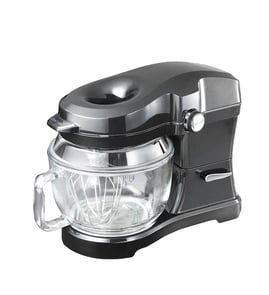


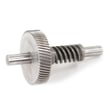

What is the life expectancy of a KitchenAid stand mixer?
A KitchenAid stand mixer like model KG25H0XER5 typically lasts 10 to 15 years with normal home use and basic maintenance. The included warranty is one year from the purchase date, which is separate from the mixer’s real-world service life (see the KG25H0XER5 owner's manual).
Typical life expectancy (what most owners see)
Most stand mixers fail from wear in the drive system (gears, bearings) or from heavy loads that overheat the motor.
- 10 to 15 years is a typical home-use lifespan
- 15+ years is common with lighter loads and routine care
- 5 to 10 years is common with frequent heavy dough batches or long run times
- The one-year limited warranty covers defects, not normal wear
What shortens or extends mixer life
Here are the biggest factors we see for KitchenAid stand mixers:
- Load type: stiff bread dough stresses gears and the motor more than cake batter
- Run time: long continuous mixing heats the motor and grease
- Speed choice: high speed with heavy mixtures increases wear
- Storage and cleaning: moisture and improper cleaning can affect internal components
- Maintenance: replacing worn seals/bearings early prevents bigger damage
Quick “life check” symptoms and likely causes
| Symptom | Common cause | What to check next |
|---|---|---|
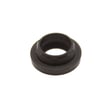
| Oil or grease leaking | Worn seal or gasket | Inspect the gasket WP9709511 and gearcase area |
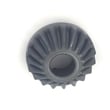
| Grinding or rumbling | Worn bearing or gear wear | Check the bearing WPW10170080 for play/noise |
| Mixer stalls or smells hot | Motor overload or failing motor | Reduce batch size; consider the motor WPW10247536 if power is weak |
| Excessive head/planetary wobble | Wear in drive components | Inspect planetary and gearcase fasteners per manual |
Why it matters
A stand mixer can run for many years, but early warning signs (noise, leaks, stalling) usually mean a wearable part is failing. Catching it early often prevents damage to the gearcase and motor, which are higher-cost repairs.
Last updated: January 2026
What is the #1 rated stand mixer?
There is no single “#1 rated” stand mixer for everyone; the best choice depends on what you make most often (cookies, cakes, bread) and how much capacity and power you need. Your KitchenAid KG25H0XER5 is a bowl-lift stand mixer built for stable mixing and heavy dough work.
How we recommend choosing the “best” stand mixer
Use these practical criteria to match a mixer to your cooking style:
- Bowl style: bowl-lift models (like KG25H0XER5) handle heavier loads more steadily than many tilt-head designs.
- Capacity: choose a bowl size that fits your typical batch (small frosting vs. double bread dough).
- Transmission and durability: all-steel gear transmission and direct-drive designs are strong for frequent use.
- Speed control: look for a wide range of speeds (slow stir through fast whip) for better texture control.
- Attachment hub: a powered hub expands what the mixer can do (grinding, pasta, shredding, etc.).
For model-specific features and operating guidance, follow the KG25H0XER5 owner's manual.
What “top rated” usually means in real kitchens
Ratings often reflect a mix of performance, reliability, and ease of use. Here is a quick way to interpret common “best” lists:
| If you mostly make… | What to prioritize | Why it helps |
|---|---|---|
| Cookies and cakes | Smooth speed control, easy scraping access | Consistent creaming and mixing |
| Bread and pizza dough | Bowl-lift stability, strong gear train | Better handling of heavy dough |
| Whipped cream and meringue | Effective whisk design, higher speeds | Faster volume and better peaks |
Tips to get “best-in-class” results from your KG25H0XER5
These steps improve performance and help prevent wear:
- Set proper beater-to-bowl clearance so the beater just clears the bowl surface.
- Start on low speed when adding flour to reduce puffing and strain.
- If the mixer shuts off from heat, let it cool; many bowl-lift models include motor overload protection.
- Avoid running heavy dough on high speed for long periods.
- If you see grease leakage or unusual noise, inspect the gearcase area; a worn seal can contribute. The gasket WP9709511 is one common sealing component used in the gearcase area on this model.
Why it matters
Choosing the “#1” mixer is really about matching capacity, bowl style, and durability to your recipes. A bowl-lift KitchenAid like KG25H0XER5 is a strong pick when you want stable mixing, consistent speed under load, and long-term serviceability with replaceable parts.
Last updated: January 2026
Is there a better mixer than KitchenAid?
For many home bakers, your KitchenAid stand mixer model KG25H0XER5 is already a top-tier choice; “better” usually means a different strength such as higher dough capacity, different mixing action, or a different price point. If you mainly make bread dough, some brands can outperform KitchenAid in that specific use.
How to decide what “better” means for you
Use this quick checklist to match the mixer to your most common jobs:
- Bread and stiff doughs: prioritize torque, cooling, and bowl capacity
- Cakes, cookies, frosting: prioritize speed control and consistent creaming
- Frequent attachment use (grinder, pasta, etc.): prioritize hub durability and fit
- Small batches: prioritize bowl size and beater coverage
- Budget value: prioritize warranty, parts availability, and repairability
For KitchenAid attachments, the manual notes the built-in power unit and the square drive design to reduce slipping; that matters if you use hub attachments often. See the KG25H0XER5 owner's manual for attachment mounting steps and speed guidance.
Common “better than KitchenAid” alternatives (by strength)
These brands are often chosen when someone wants a different performance profile than a classic KitchenAid stand mixer:
| If you want… | Brands people commonly compare | Why it can feel “better” |
|---|---|---|
| More dough-handling capacity | Ankarsrum, Bosch | Mixing action and bowl design can handle heavier loads |
| Premium build and power | Wolf Gourmet | Strong motor focus and sturdy construction |
| Lower cost for occasional use | Cuisinart, Hamilton Beach | Good performance for lighter duty at a lower price |
If your KitchenAid feels “not as good” lately
Before replacing the mixer, we recommend checking for common performance issues that are often repairable:
- Beater hitting the bowl or not reaching ingredients (clearance needs adjustment)
- Unusual noise, grinding, or wobble (gearcase or bearing wear)
- Slipping under load (internal drive components)
- Grease leakage around the gearcase area (gasket or housing sealing)
If you’re seeing grease seepage or a leak at the gearcase seam, a common service item is the gasket WP9709511.
Why it matters
Choosing “better” based on your recipes prevents overload, improves texture (especially for dough and creamed batters), and can extend the life of the motor and gearcase.
Last updated: January 2026
What is the difference between the different models of KitchenAid mixers?
KitchenAid stand mixers differ mainly by design (tilt-head vs. bowl-lift), bowl capacity, and how well they handle heavy dough. Your KitchenAid KG25H0XER5 is a bowl-lift mixer with a 5-quart bowl and a direct-drive, all-steel gear transmission; see the KG25H0XER5 owner's manual.
The biggest differences to compare
- Tilt-head vs. bowl-lift: Tilt-head lifts the motor head; bowl-lift raises the bowl on arms using a lift lever.
- Bowl capacity: Common sizes include 3.5 qt, 4.5 qt, 5 qt, 6 qt, and 7 qt; KG25H0XER5 uses 5 qt.
- Heavy dough performance: Bowl-lift models handle frequent bread dough and larger batches more steadily.
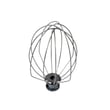
- Included accessories: Flat beater, wire whip, and dough hook can vary by package and series.
- Attachment hub use: Many KitchenAid mixers have a front hub for optional attachments; match the attachment to your mixer series.
Quick comparison: tilt-head vs. bowl-lift
| Feature | Tilt-head models | Bowl-lift models (like KG25H0XER5) |
|---|---|---|
| Best for | Everyday baking, smaller batches | Heavy dough, larger batches |
| How it opens | Head tilts back | Bowl raises/lowers with lever |
| Stability under load | Good | Stronger under load |
| Typical bowl sizes | 3.5 to 5 qt | 5 to 7 qt |
What matters for KG25H0XER5 owners
This model’s bowl-lift design, 5-quart capacity, and direct-drive, all-steel gear transmission are the practical differences you feel day to day: better stability with thick cookie dough, smoother kneading, and less need to stop and scrape during heavier mixes.
Why it matters
Choosing the right KitchenAid mixer model affects batch size, mixing results, and motor strain. If you regularly make stiff doughs or larger recipes, a bowl-lift 5-quart mixer like KG25H0XER5 is built for that workload.
Last updated: January 2026