 Installation guide
 Owner’s manual





What is the average lifespan of a GE dishwasher?
A GE dishwasher typically lasts 10 to 12 years. For your GE GDT535PSR0SS, reaching the high end of that range depends most on water quality, how often it runs, and routine care like cleaning filters, spray arms, and door seals (see the GDT535PSR0SS owner's manual).
Typical lifespan range (what to expect)
Most residential dishwashers fall into a predictable window based on use and maintenance.
| Dishwasher use pattern | Typical lifespan | What usually shortens life |
|---|---|---|
| Light use (few loads/week) | 12 to 15 years | Long periods of non-use, stale water/odors |
| Average use (1 load/day) | 10 to 12 years | Hard water scale, clogged filtration |
| Heavy use (2+ loads/day) | 8 to 10 years | Heat stress, pump wear, frequent leaks |
What extends the life of a GE dishwasher
We see the biggest gains from simple, repeatable maintenance.
- Clean the filter area regularly so the wash pump is not fighting debris.
- Run a dishwasher cleaner or citric-acid cleaning cycle periodically to reduce mineral buildup.
- Use the right detergent type and amount for your water hardness to prevent etching and residue.
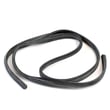
- Keep the door gasket and bottom edge of the door clean to help prevent leaks.
- Avoid overloading; good water flow reduces strain on the circulation system.
Signs your dishwasher is nearing end-of-life
These symptoms often show up in the last few years of service.
- Repeated draining problems or standing water after cycles
- Poor cleaning even after filter and spray-arm cleaning
- Persistent leaks at the door or underneath
- Burning smell, intermittent power, or controls that reset
- Loud grinding or buzzing that returns after cleaning
Why it matters
Knowing the average lifespan helps you decide whether to maintain and repair your GDT535PSR0SS or plan for replacement. Regular cleaning and correct detergent use reduce scale and wear, which protects key components like the wash pump, heater, and seals.
Last updated: February 2026
What is the most common problem with a GE dishwasher?
The most common GE dishwasher problems (including the GE GDT535PSR0SS) are not draining, not starting, leaking, and poor cleaning or drying. In many homes, the top repeat issue is a drain problem caused by a clogged filter area, blocked drain path, or a drain pump that cannot move water.
Most common issues we see (and what usually causes them)
- Not draining: food debris in the filter/sump area, kinked drain hose, blocked garbage disposer inlet, or a weak drain pump
- Won’t start or stops mid-cycle: door not fully latched, control lock settings, or a control/console issue
- Leaking: door gasket not sealing, door not closing squarely, or a loose water connection
- Not cleaning well: spray arms blocked, overloaded racks, or detergent dispenser blocked by tall dishes
- Suds/foam in the tub: wrong detergent (hand soap) or rinse aid spillover
Quick checks you can do first
- Confirm the door latches firmly and the rack is fully pushed in before closing.
- Use only automatic dishwasher detergent (tablets, packets, powder, gel). Hand dish soap creates heavy suds and poor wash performance.
- Make sure dishes are not blocking the detergent dispenser; large items can prevent the cup from opening.
- If you have suds, let them dissipate, then pump out water using the Start/cancel steps described in the GDT535PSR0SS owner’s manual.
- If it won’t drain, check the sink/disposer connection and look for a kinked drain hose under the sink.
Symptom-to-likely-cause guide
| Symptom | Most likely cause | Best first action |
|---|---|---|
| Standing water after cycle | Clog in drain path or filter area | Clear blockage; verify drain hose routing |
| Detergent left in cup | Dishes blocking dispenser | Reload so the dispenser door can open |
| Suds in tub | Wrong detergent or rinse aid spill | Switch detergent; follow manual suds removal steps |
| Cloudy/etched glass | Too much detergent with soft water | Reduce detergent; use shorter cycle |
Why it matters
Drain and detergent-dispensing problems can make a dishwasher seem “broken” even when the motor and heater are fine. Fixing loading, detergent choice, and the drain path often restores normal cleaning without replacing parts.
For code-based issues on GE models, use GE electronic dishwasher error codes to match the display or blink pattern to the right troubleshooting path.
Last updated: February 2026
Is it worth fixing a GE dishwasher?
Yes, it’s usually worth fixing a GE GDT535PSR0SS dishwasher when the problem is a common wear item or minor electrical issue and the total repair cost stays well below the price of a comparable new dishwasher. Replacement makes more sense when multiple major failures stack up.
Quick rule of thumb we use
- Fix it when the dishwasher is under 10 years old and the repair is under ~50% of replacement cost.
- Replace it when it’s 10+ years old and needs a major component (control board, motor/pump, or repeated leak repairs).
- If you’re unsure, use the troubleshooting and safety notes in the GDT535PSR0SS owner’s manual to narrow the failure before pricing parts and labor.
What typically makes a repair “worth it”
- It fills, drains, and runs, but has a single symptom (not cleaning, not drying, noisy, or intermittent start)
- No signs of water damage under the unit (wet insulation, swollen flooring, recurring leaks)
- The issue is maintenance-related (filter area cleaning, detergent use, loading)
- Power is stable (120V, 15A or 20A circuit is typical for this GE dishwasher)
Cost and decision comparison
| Situation | Usually best choice | Why |
|---|---|---|
| One clear symptom, no leaks | Repair | Lower cost, fast turnaround |
| Multiple symptoms plus leaks | Replace | Risk of repeat repairs |
| Control issues after power cycling | Diagnose first | Could be a simple reset or switch issue |
| Major component failure on an older unit | Replace | High parts and labor cost |
Checks to do before you decide
- If your dishwasher is on a wall switch, make sure it’s ON; if it was OFF, turn it ON and wait 5 to 10 seconds before pressing Start (the control needs time to initialize).
- Confirm you’re using automatic dishwasher detergent (not hand dish soap) and avoid blocking the dispenser with tall items.
- Price the repair with the symptom in mind using targeted guidance like GE electronic dishwasher error codes.
Why it matters
A dishwasher that’s installed for future removal is easier and cheaper to service; that installation detail alone can reduce labor time and make a repair more cost-effective (see the GDT535PSR0SS installation guide).
Last updated: February 2026
What are the commonly replaced parts in a dishwasher?
In a GE GDT535PSR0SS dishwasher, the most commonly replaced parts are the ones that handle water flow, washing action, heating, and door sealing. When symptoms show up (leaks, poor cleaning, no drain, or no heat), these parts are the first places we check.
Commonly replaced dishwasher parts
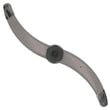
- Spray arms: crack, clog with debris, or lose spray pressure (poor cleaning)
- Filters and sump components: clogging causes weak wash action and drainage issues
- Water inlet valve: fails to open fully or sticks (no fill, slow fill)
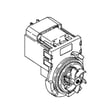
- Drain pump or drain hose: blockage or pump wear (standing water)
- Circulation pump/motor: weak wash pressure, loud grinding or humming
- Door latch and door gasket: won’t start, won’t stay closed, or leaks at the door
- Heating circuit components (heater, thermostat, wiring): poor drying, cool water, long cycles
Quick symptom-to-part guide
| Symptom | Most likely parts to check first | What we do first |
|---|---|---|
| Not cleaning well | Spray arms, filter/sump, circulation pump | Clean filter and spray arm ports |
| Not draining | Drain pump, drain hose, air gap/disposal inlet | Clear hose path and check pump inlet |
| Leaking | Door gasket, door bottom seal, inlet valve, hose clamps | Inspect seals and tighten connections |
| Won’t start | Door latch, control panel/user interface, power supply | Confirm door closes and latches fully |
| Not drying | Heater circuit, rinse aid system, venting | Verify heat options and rinse aid level |
Why it matters
Dishwashers fail in predictable ways: water and detergent create buildup, seals age, and pumps wear. Catching a clogged filter or a weak spray arm early often prevents bigger issues like pump damage or chronic leaks.
Model-specific tips for GE GDT535PSR0SS
- Follow the safety guidance in the GDT535PSR0SS owner’s manual before any maintenance; disconnect power to reduce shock risk.
- If you’re dealing with installation-related leaks or movement, the GDT535PSR0SS installation guide lists typical mounting hardware and tools (level, nutdrivers, hose clamp) used to secure and connect the dishwasher.
- For electronic issues, use the GE electronic dishwasher error codes reference to match symptoms to likely circuits and checks.
Last updated: February 2026
Can I replace dishwasher parts myself?
Yes, for the GE GDT535PSR0SS dishwasher, we can replace many common parts ourselves (filters, spray arms, door gasket, racks) if we shut off power first and work carefully. For electrical wiring, grounding, or complex diagnostics, we use the GDT535PSR0SS owner’s manual and follow the GDT535PSR0SS installation guide or use a qualified technician.
Good DIY repairs vs. better left to a pro
Usually DIY-friendly
- Clean or replace the filter and clear debris from the sump area
- Replace a spray arm or unclog spray arm holes
- Replace the door gasket if it’s torn or leaking
- Adjust or replace rack wheels and stops
- Clean an air gap (if your setup uses one)
Often pro-level (or advanced DIY)
- Hard-wiring, cord kit installation, or grounding work
- Control panel or control board troubleshooting
- Water inlet valve replacement if access is tight or wiring is unfamiliar
- Leak diagnosis involving the tub, motor seals, or internal hoses
Safety steps we follow first
The manual and install instructions emphasize disconnecting power before maintenance and using proper grounding practices.
- Turn off the dishwasher circuit breaker (and verify the unit is dead)
- Shut off the water supply valve under the sink
- Protect the floor; keep towels ready for residual water
- Take photos of wire and hose routing before removal
- Reinstall so the dishwasher can be removed later for service
Quick decision table
| Task | Tools/skill | Typical time | Risk level |
|---|---|---|---|
| Filter cleaning | Basic | 10 to 20 min | Low |
| Spray arm replacement | Basic | 15 to 30 min | Low |
| Door gasket replacement | Basic | 30 to 60 min | Medium (leaks) |
| Electrical/grounding work | Advanced | 1 to 3 hrs | High (shock/fire) |
Why it matters
DIY part replacement can save time and restore cleaning, draining, and drying performance, but electrical and plumbing mistakes can create safety hazards or repeat failures. Using the correct shutdown steps and installation practices prevents damage and makes future service easier.
If the dishwasher will not run and the Start light is flashing in a sequence, we treat that as a critical fault and schedule service; for code help, use GE electronic dishwasher error codes.
Last updated: February 2026
Is GE profile considered high end?
Yes. GE Profile is GE’s step-up (premium) line compared to standard GE appliances; it typically adds more features, upgraded styling, and more tech-focused options. It is positioned below GE’s luxury lines (such as Café and Monogram).
Where GE Profile fits in the GE lineup
We generally see GE’s tiers break down like this:
- GE: core, value-focused models
- GE Profile: premium features and finishes, more options and technology
- Café / Monogram: luxury styling, higher-end materials, and flagship features
For your GE dishwasher model GDT535PSR0SS, cycle selections, options, and operating details are listed in the GDT535PSR0SS owner’s manual.
What “high end” usually means for dishwashers
“High end” can mean different things depending on what you value most:
- Cleaning performance (spray coverage, filtration, soil handling)
- Drying performance (heated dry options, rinse aid use)
- Noise level (lower dBA is quieter)
- Cycle flexibility (quick cycles, sanitize, delay start)
- Convenience features (rack adjustability, loading features, controls)
Quick comparison (typical positioning)
| GE line | Typical focus | Typical buyer |
|---|---|---|
| GE | Essentials and value | Budget-conscious replacement |
| GE Profile | More features and design upgrades | Wants premium features without luxury pricing |
| Café / Monogram | Luxury design and flagship features | Design-forward, top-tier kitchens |
Why it matters
Knowing the product tier helps set expectations for features, noise level, and long-term ownership. For model-specific use, detergent guidance, and troubleshooting steps, we follow the GDT535PSR0SS owner’s manual.
Last updated: February 2026





