





Is a dishwasher using a lot of electricity?
A GE GDT630PGR7BB dishwasher typically does not use a lot of electricity compared with many household appliances. Most dishwashers draw roughly 1,200 to 2,400 watts while heating, but they only run the heater part of the time, so total energy per cycle is usually modest.
What “a lot” means in real use
Dishwasher electricity use depends mostly on how much water heating and drying it does.
- Heated dry and high-temp options increase energy use
- Longer cycles usually use more electricity than quick cycles
- Incoming water temperature affects how long the heater runs
- A clogged filter or weak spray can extend run time
- Running full loads lowers energy per dish
Typical power and cost snapshot
These are common ranges for modern built-in dishwashers like the GE GDT630PGR7BB.
| Item | Typical range | What changes it most |
|---|---|---|
| Instant power draw (when heater is on) | 1,200 to 2,400 W | Water heating, heated dry |
| Energy per cycle | ~0.8 to 1.5 kWh | Cycle choice, options, soil level |
| Cost per cycle (at $0.15/kWh) | ~$0.12 to $0.23 | Local electric rate |
How to reduce electricity use (without sacrificing cleaning)
We recommend these practical steps first:
- Skip heated dry when you can; crack the door after the cycle to air-dry
- Use normal or eco cycles for everyday loads
- Run hot water at the sink for 30 to 60 seconds before starting (reduces heater time)
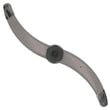
- Keep spray performance strong by replacing a worn arm such as the GE dishwasher spray arm, lower WD22X33499
- Fix draining issues quickly; standing water can trigger longer drying and poor results (see dishwasher not draining video)
Why it matters
Lower electricity use usually comes from shorter heater run time. That also reduces heat stress on components like the heating circuit and can help the dishwasher finish cycles more consistently.
Last updated: January 2026
What is the average life expectancy of a GE dishwasher?
A GE dishwasher such as model GDT630PGR7BB typically lasts about 10 years. You can often reach or exceed that lifespan by keeping the filters and spray arms clean, using the right detergent, and fixing small leaks or drain issues early.
Typical lifespan and what affects it
Most GE dishwashers land in a similar range, but real-world life depends on usage and water conditions.
- Loads per week: more cycles usually means faster wear on the wash pump and drain pump
- Hard water: increases mineral buildup on the heating element and inside the sump
- Cleaning habits: a dirty filter and clogged spray arm holes reduce performance and strain the pump
- Small leaks: door and tub sealing issues can lead to corrosion and electrical problems
- Power quality: surges can damage the control board or UI board
Maintenance that helps you get the full 10 years
These steps prevent the most common “early failure” problems.
- Rinse heavy food off dishes and avoid packing the racks too tightly
- Clean the filter area and sump regularly (monthly is a good target)
- Inspect and clean spray arm holes; replace worn arms if they stop spinning freely
- Run a dishwasher cleaner cycle to reduce grease and mineral buildup
- Address draining problems quickly (standing water strains the drain pump)
Quick part examples for common wear items (GDT630PGR7BB)
| Symptom | Common area to check | Example part for this model |
|---|---|---|
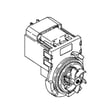
| Not draining | Drain path, pump, hose routing | Dishwasher drain pump WD19X25461 |
| Poor cleaning | Spray arms, water feed, sump | GE dishwasher spray arm, lower WD22X33499 |
| Not drying well | Heat circuit, airflow, deposits | GE dishwasher heating element WD05X35098 |
Why it matters
Knowing the typical life expectancy helps you decide whether to repair or replace. If your GDT630PGR7BB is near the 10-year mark, investing in maintenance and a few key parts can be a cost-effective way to extend reliable service.
Last updated: January 2026
What is the most common problem with GE dishwashers?
The most common problem we see with GE dishwashers (including model GDT630PGR7BB) is a no-start or won’t-run condition. In most cases, the root cause is simple: a door that is not fully latched, a power issue, or a control-related fault that stops the cycle from beginning.
Quick checks first (fastest fixes)
- Press the door closed firmly until you hear/feel the latch engage.
- Confirm the dishwasher has power (breaker on, outlet powered if applicable).
- Cancel and restart the cycle to clear a stuck selection.
- Check for standing water in the tub; some models will not start a new cycle if they cannot drain.
- Look for an error indication and match it to GE dishwasher error codes.
Common causes and the parts that often solve them
If the quick checks do not help, these are the most frequent failure points on a dishwasher like the GE GDT630PGR7BB:
| Symptom | Most likely area | Example part for this model |
|---|---|---|
| Won’t start, door feels “loose” | Door latch/lock | Dishwasher door latch lock WD01X29878 |
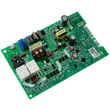
| Dead or unresponsive controls | User interface or control | Cntrl board WD21X32938 |
| Fills but won’t wash well | Spray system or wash pump | GE dishwasher spray arm, lower WD22X33499 |
| Won’t drain, water left in tub | Drain path or drain pump | Dishwasher drain pump WD19X25461 |
Why it matters
A dishwasher that won’t start is often protecting itself. A mislatched door, a drain problem, or a control fault can prevent operation to avoid leaks, overheating, or running with improper water levels.
When to use error codes
If the dishwasher powers on but stops, beeps, or flashes indicators, use GE electronic dishwasher error codes to narrow the problem to areas like draining, filling, heating, or sensing.
Last updated: January 2026





