Owner’s manual
 Error Codes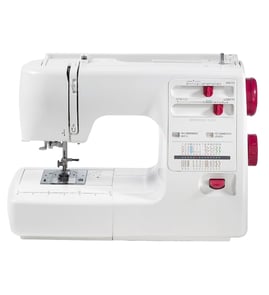

What is the top 10 sewing machine brand?
There is no single official “top 10” sewing machine brand list because rankings change by price, features, and who is doing the testing. For a Kenmore 38516231300 electronic sewing machine owner, the best approach is to compare brands by serviceability, parts availability, and the features you actually use; then use your owner's manual to match needles, feet, and settings correctly.
Commonly recognized sewing machine brands (10)
These brands are widely known in the U.S. market across beginner, quilting, and heavy-duty use:
- Brother
- Singer
- Janome
- Juki
- Bernina
- Baby Lock
- Pfaff
- Husqvarna Viking
- Elna
- Kenmore
How we recommend choosing between brands
Instead of chasing a list, we focus on what affects real-world sewing results and long-term ownership:
- Stitch quality and consistency on your typical fabrics (cotton, denim, knits)
- Feed system performance (even feeding, fewer puckers, fewer skipped stitches)
- Motor strength and speed control for thick seams and long runs
- Ease of maintenance (cleaning lint, accessing the bobbin area)
- Parts and accessory availability (feet, bobbins, needles, belts, switches)
Quick comparison: what “top” usually means
| If you mainly do... | Prioritize... | Typical brand strengths |
|---|---|---|
| Everyday mending and crafts | Simple controls, easy threading | Brother, Singer, Kenmore |
| Quilting | Even feed, throat space, precision | Janome, Baby Lock, Bernina |
| Heavy fabrics (denim, canvas) | Torque, durable drive, stable speed | Juki, Janome, Singer heavy-duty lines |
| Fashion sewing and specialty stitches | Buttonholes, stitch options, fine tension control | Pfaff, Husqvarna Viking, Bernina |
Why it matters for your Kenmore 38516231300
Even if another brand ranks higher in a review, your results depend on correct setup and maintenance: proper threading, correct needle type/size, clean feed dogs and hook area, and the right presser foot pressure and speed control settings.
If your machine is showing an error or behaving oddly, use Kenmore 385 error codes to narrow the cause before replacing anything.
Last updated: February 2026
What is the most trouble-free sewing machine?
The most trouble-free sewing machine is typically a well-maintained, mechanical (non-computerized) model from a major brand, used within its intended fabric range. Your Kenmore 38516231300 is an electronic sewing machine; keeping it clean, correctly threaded, and properly lubricated is what most reliably prevents problems.
What “trouble-free” usually means
A sewing machine feels trouble-free when it:
- Starts and runs consistently (motor and speed control respond normally)
- Feeds fabric smoothly (feed dogs move the fabric evenly)
- Forms balanced stitches (top and bobbin tension stay stable)
- Avoids jams (hook area stays clear of lint and thread nests)
- Holds timing longer (needle and hook stay synchronized)
Mechanical vs. electronic: which is usually more reliable?
In general, mechanical machines have fewer electronics to fail, so they tend to be the most forgiving for basic sewing and long-term ownership. Electronic machines add convenience features, but they are more sensitive to power issues, sensor faults, and control-board problems.
| Type of machine | Typical strengths | Typical tradeoffs |
|---|---|---|
| Mechanical | Simple controls, easier troubleshooting, fewer electronic failures | Fewer stitch options, fewer automation features |
| Electronic | More stitch patterns, easier buttonhole and speed control features | More components that can fail; repairs can be more specialized |
How to make your Kenmore 38516231300 as trouble-free as possible
We recommend these habits because they prevent the most common lockups, skipped stitches, and feeding issues:
- Turn the power switch to Off ("O") before changing the needle, threading, winding/inserting the bobbin, or changing the presser foot.
- Unplug the machine before removing covers, lubricating, or making adjustments described in the manual.
- Clean lint from the bobbin and feed dog area regularly; lint buildup is a top cause of jams.
- Replace needles often (bent or dull needles cause thread breaks, skipped stitches, and noise).
- Use the correct needle and thread for the fabric; heavy fabric with a light needle increases jams.
- If the machine displays a fault, use the Kenmore 385 error codes guide to match the code to a fix.
Why it matters
Most “unreliable” sewing machine complaints trace back to setup and maintenance (threading, needle condition, lint, and lubrication). Following the safety and care steps in the owner's manual helps your Kenmore 38516231300 run smoother and reduces wear on internal mechanical components.
Last updated: February 2026
How old is the Kenmore sewing machine model 38516231300?
Kenmore sewing machine model 38516231300 is part of the Kenmore 385 model family; those machines were produced over multiple decades, so the exact age depends on the original purchase date and the specific production run. For model-specific identification details, use the 38516231300 owner's manual.
What we can confirm for this model
The documentation for this Kenmore sewing machine identifies it as model 385.16231 (a 385.16231XXX series), which matches the 38516231300 format used on parts listings.
- The manual covers 385.16231XXX (XXX represents 000 through 999)
- Your model number 38516231300 fits that series
- The manual includes warranty terms that start from the date of purchase, which is the most reliable way to date an individual machine
How to estimate the machine’s age (practical methods)
Use these checks to narrow down the timeframe without guessing.
- Look for the original receipt or any dated service paperwork
- Check the warranty section in the manual; warranty coverage is based on purchase date
- Inspect the machine’s rating/ID label (often on the back or underside) for a serial number or date code
- Compare included accessories and features to what’s listed in the manual (foot controller type, stitch functions)
- If the machine has electronic issues, note any displayed codes and compare them to Kenmore 385 error codes
Quick reference: “model family” vs “your exact unit”
| Item | What it tells you | What it does not tell you |
|---|---|---|
| Model family (385 prefix) | General era range for the product line | Exact build year of your unit |
| Purchase date | True age of your specific machine | Nothing about model family history |
| Serial/date code | Often the closest thing to a build date | Purchase date |
Why it matters
Knowing the approximate age helps us choose the right repair approach for a Kenmore electronic sewing machine (for example, cleaning and lubrication vs. electrical troubleshooting), and it helps you judge whether issues like sluggish running or lockups are maintenance-related. For symptom-based troubleshooting, we use guides like sewing machine locks up.
Last updated: February 2026
Is Kenmore sewing machine 38516231300 low shank?
Yes. The Kenmore 38516231300 is a 385-series Kenmore sewing machine that uses low-shank presser feet, so common low-shank accessories (including a walking foot/even-feed foot) fit this model.
How to confirm on your machine (quick checks)
- Look at the presser foot attachment point: low-shank machines have a shorter distance from the presser bar to the needle plate.
- If your snap-on feet attach to a short ankle (adapter) and sit close to the needle plate, that matches a low-shank setup.
- If a standard low-shank zigzag foot clears the needle plate and feeds fabric normally, the shank height is correct.
- If a foot hits the needle plate or the needle area looks unusually high, stop and re-check the foot type before sewing.
Why low shank matters
Low-shank fit determines whether the presser foot aligns correctly with the needle, feed dogs, and needle plate. Using the wrong shank height can cause skipped stitches, poor feeding, needle strikes, or a jam.
Common foot types (what fits what)
| Foot type | Typical fit | What you will notice |
|---|---|---|
| Low shank | Kenmore 385-series machines like 38516231300 | Most widely available feet and walking feet fit |
| High shank | Many industrial or specialty machines | Presser bar sits higher above the needle plate |
| Slant shank | Some older Singer-style machines | Angled shank; low-shank feet do not seat correctly |
Before installing any presser foot
- Turn the power switch off and unplug the machine.
- Raise the presser foot lifter and needle to the highest position.
- Install the foot, then hand-turn the handwheel one full stitch cycle to confirm clearance.
For model-specific setup details (including presser foot installation and safety steps), use the owner's manual. For troubleshooting related to electronic faults on 385-series machines, use Kenmore 385 error codes.
Last updated: February 2026
Is it worth repairing a sewing machine?
Yes, repairing a sewing machine is usually worth it when the machine is a solid, serviceable model like the Kenmore 38516231300, especially if the issue is a maintenance item (cleaning, adjustment, belt, bulb, switch) rather than major electronic damage. Our owner's manual also emphasizes safe servicing steps and proper care, which often restores performance without replacing the machine.
Quick way to decide (repair vs. replace)
Use these checkpoints to make a clear call:
- Repair it if it has a sturdy internal frame, sews well when adjusted, and the problem is intermittent or maintenance-related.
- Repair it if the issue is tied to common wear items (lint buildup, dull needle, incorrect threading, belt wear, light bulb).
- Repair it if the machine has features you rely on (stitch selection, buttonholes, consistent tension) and you already own compatible accessories.
- Replace it if the machine has repeated electrical failures (power, speed control, motor drive) and repair cost approaches the price of a comparable replacement.
- Replace it if the machine has been dropped, water-damaged, or has a damaged cord or plug (these are safety-critical).
What the Kenmore 38516231300 manual tells us that matters
The manual includes safety guidance that points to when professional repair is the right move:
- Unplug before cleaning or servicing.
- Unplug before replacing the bulb.
- Replace the bulb with the same type rated 5 watts.
- Do not operate with a damaged cord or plug.
- If it is not working properly or has been dropped or damaged, have it examined and repaired.
Common “worth repairing” problems (and why)
Many sewing machine complaints are caused by setup or routine care, not a failed machine.
| Symptom | Often caused by | Typical fix |
|---|---|---|
| Fabric not moving | Feed dogs down, lint, wrong presser foot pressure | Clean, reset feed system, rethread |
| Machine locks up | Thread jam in hook area, debris | Remove jam, clean and rethread |
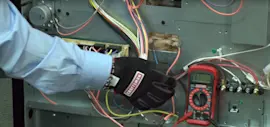
| Motor will not run | Foot control issue, switch, wiring | Inspect power path, test components |
| Skipping stitches | Needle type/size, threading, timing drift | New needle, rethread, adjust |
For step-by-step troubleshooting, use sewing machine locks up or sewing machine motor won't run.
Why it matters
A quality sewing machine that is cleaned, correctly threaded, and safely adjusted typically delivers more consistent stitch quality and fewer jams than a low-end replacement. Repairing also protects your existing accessories and your familiarity with the machine’s controls.
Last updated: February 2026